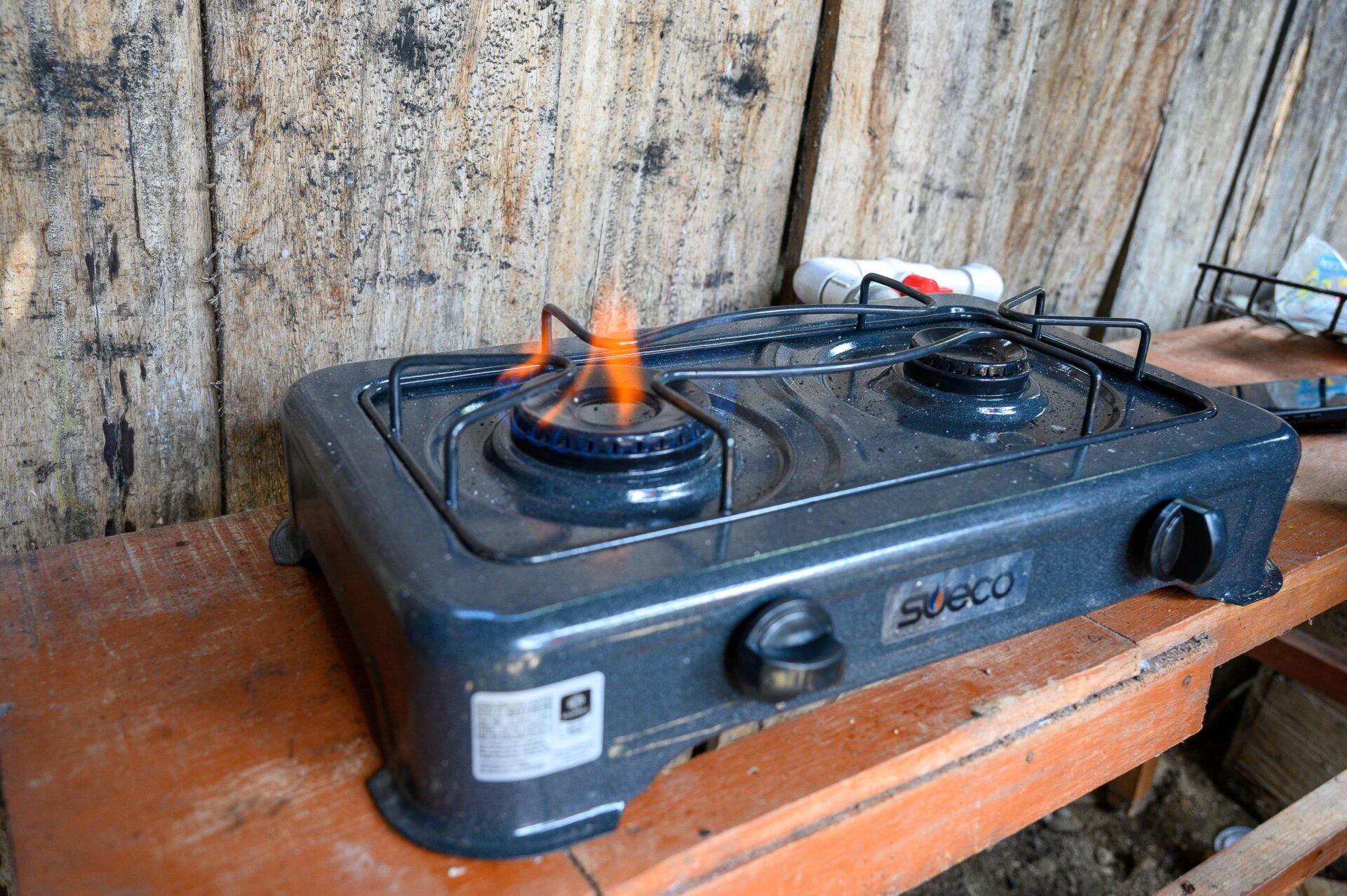
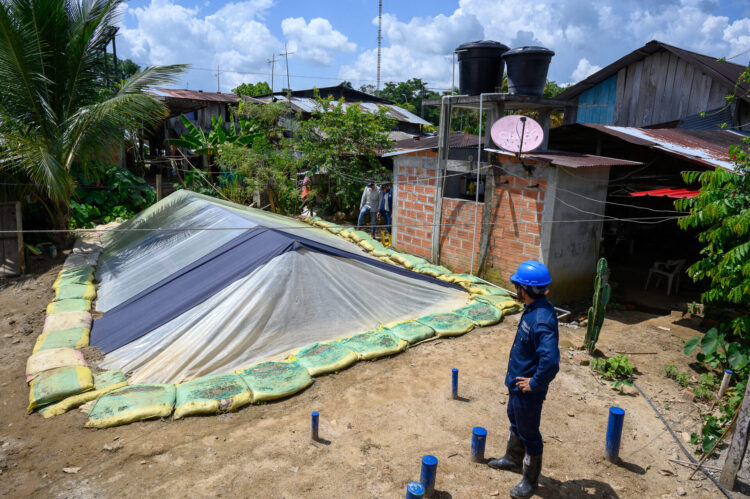
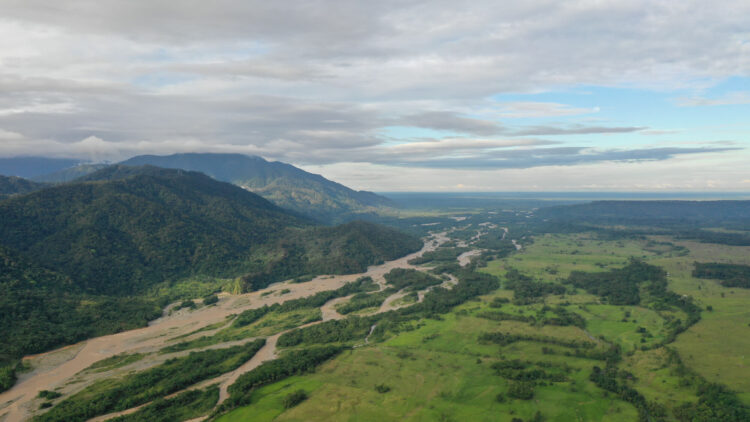
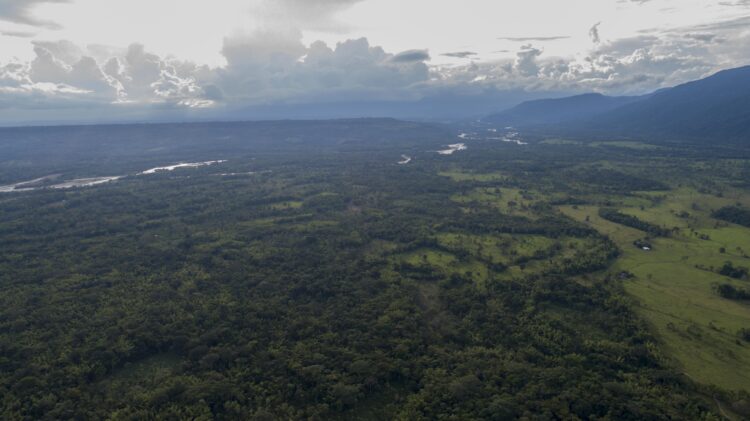
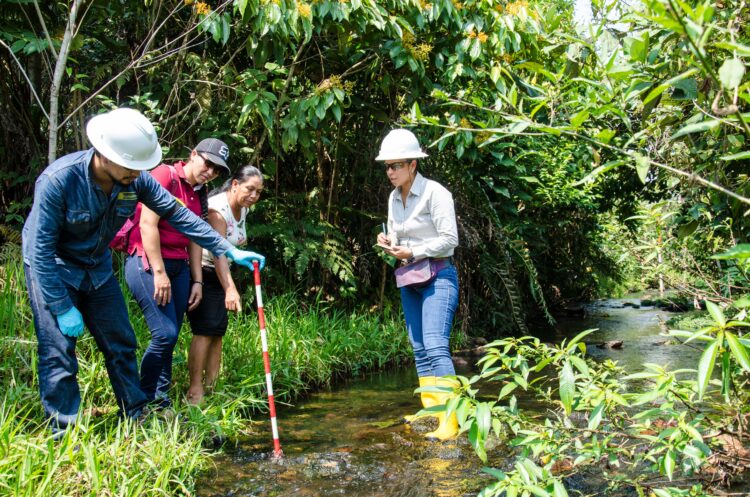
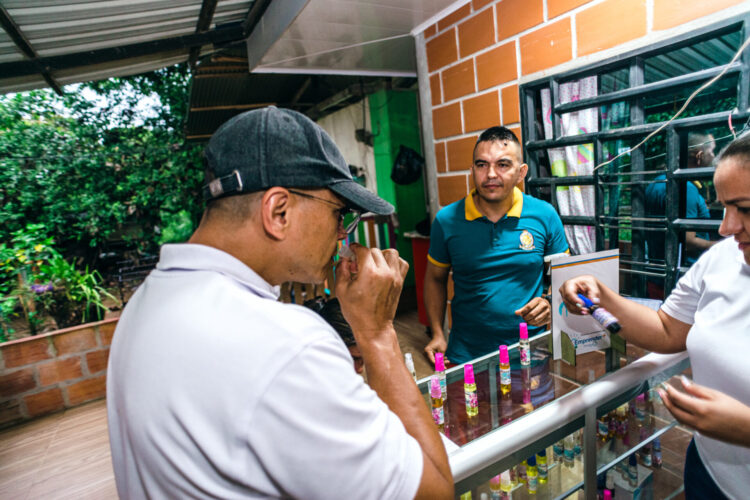
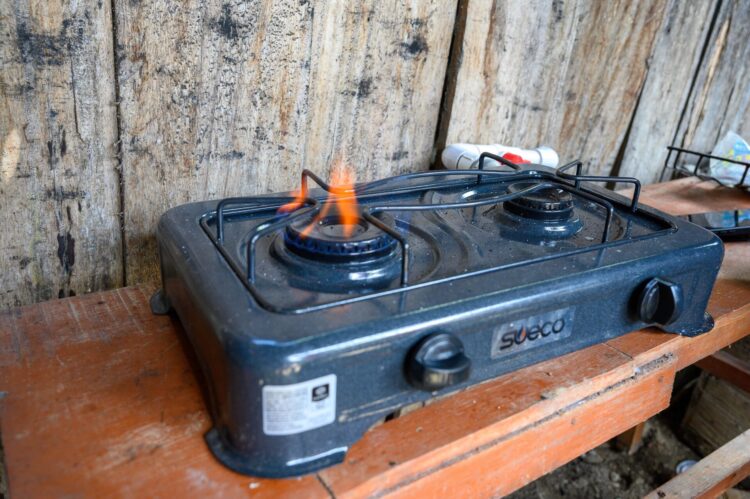
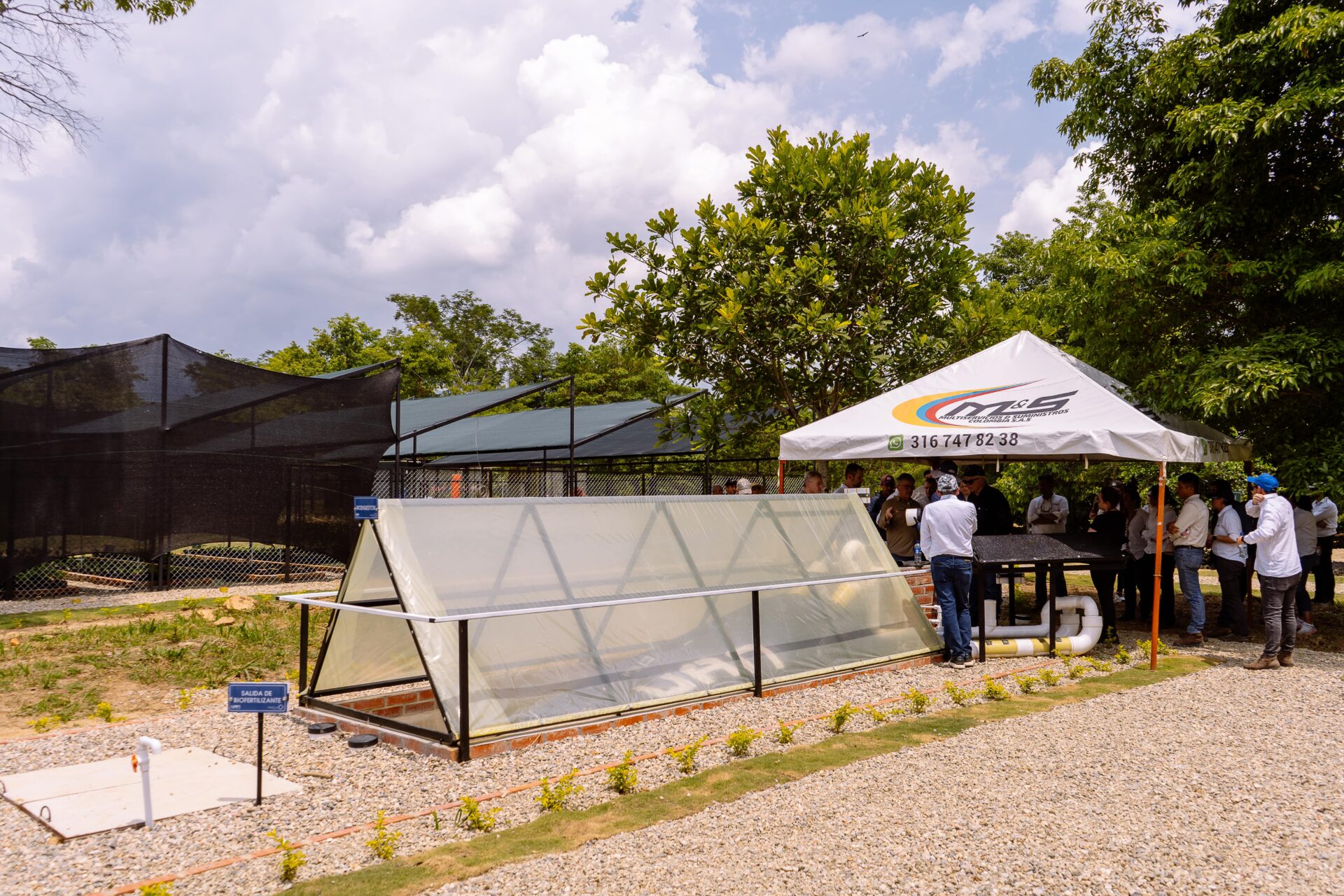
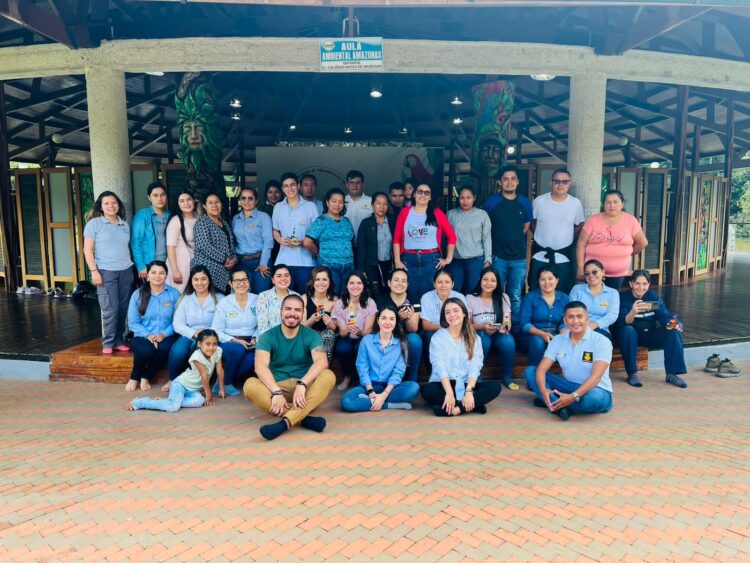
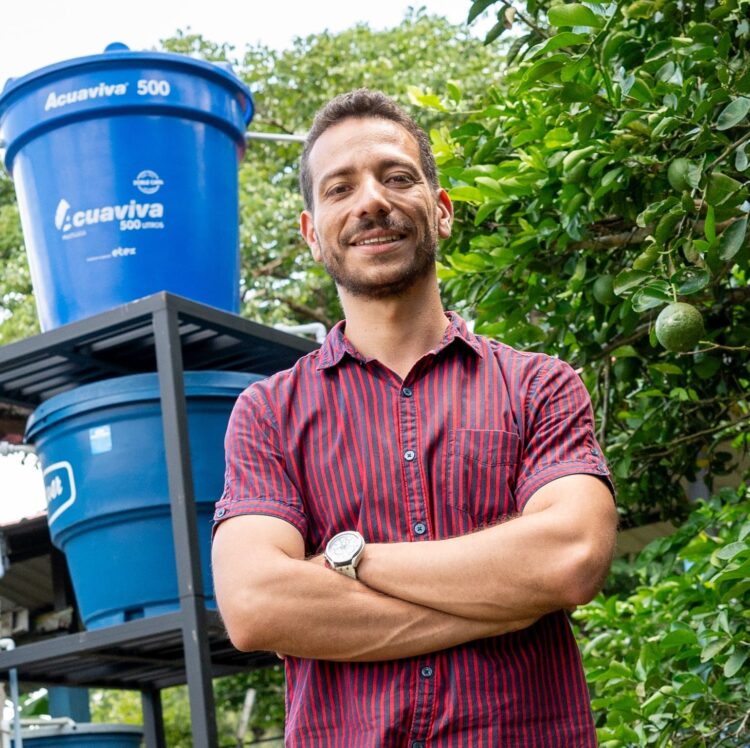
Within the Acordionero Forestry Centre, Gran Tierra Energy installed residential-scale anaerobic biodigesters. Biodigesters are systems that break down organic materials, such as food waste, agricultural residues, animal manure and wastewater, through a biological process called anaerobic digestion.
In many rural Colombian villages, untreated wastewater flows through open sewers, creating serious health and environmental risks—especially during the rainy season. At the same time, limited access to propane forces many households to rely on firewood, contributing to deforestation, air pollution, and causing significant adverse health effects.
To tackle these dual challenges, GTE partnered with Antonio Nariño University to install 13 residential-scale anaerobic biodigesters in the Putumayo villages of Carmelita, Puerto Vega, and Remolinos. These systems treat wastewater organically and produce biogas for nearly 40 households and a school. This technology demonstrates how a thoughtful design can create lasting environmental, social, and economic impacts.
This initiative, which satisfies Colombia’s requirement that 1% of project budgets be invested into environmental initiatives, demonstrates how a thoughtful design can create lasting environmental, social, and economic impacts. Encouraged by the project’s success, plans are underway to expand it to additional municipalities.
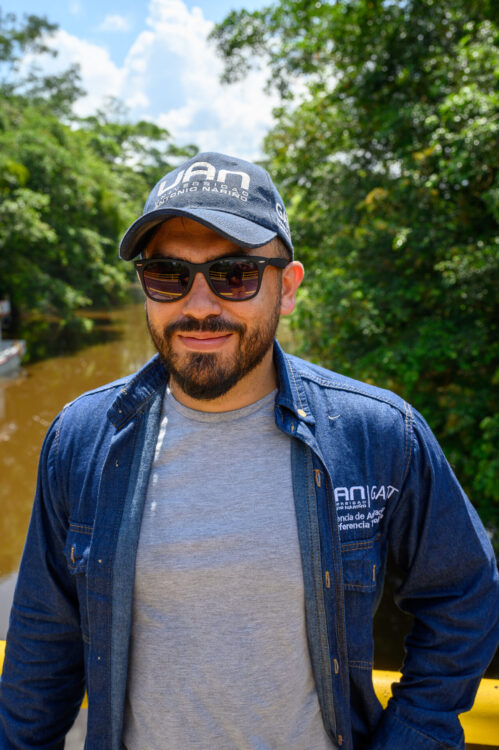
“Before the project, some of these homes were abandoned due to contamination. Wastewater seeped into water wells, vermin overran the area, and the air was unbearable. Now, the water is clean, the smells are gone, and families have returned.”
Oswan Duvan Mora
Director of Technology Operations, University of Antonio Nariño
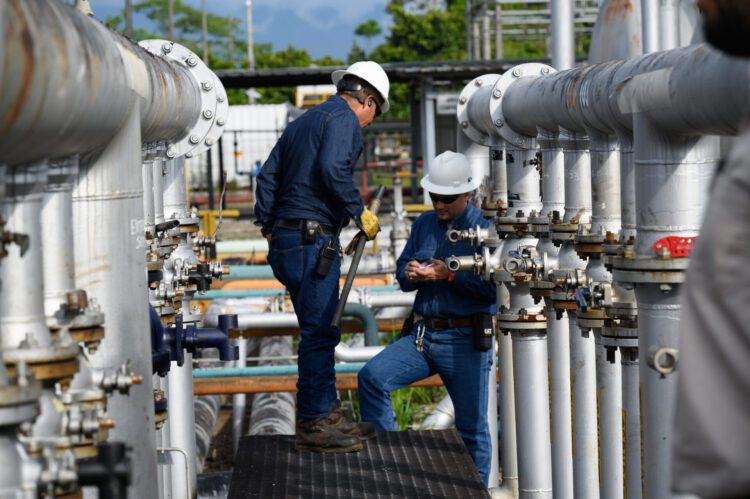
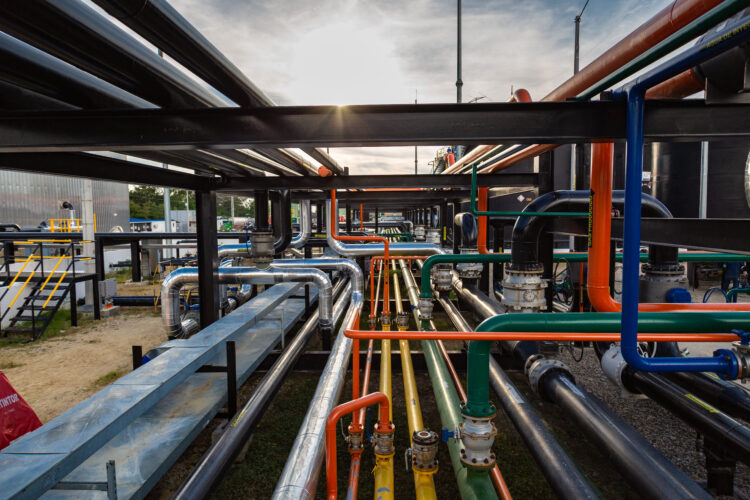
Gran Tierra Energy continues to advance its emissions reduction strategy across all areas of its operations in Canada, Colombia and Ecuador. As part of its commitment to operational integrity and environmental responsibility, GTE conducted a fugitive emissions survey in Colombia in 2024, identifying and repairing several small leaks. In Ecuador, the Company is developing a greenfield project with infrastructure designed early on to meet the highest environmental and operational standards. Advanced detection technologies in Canada are implemented to monitor and reduce fugitive emissions from its assets.
These regionally tailored initiatives for each country are part of GTE’s broader effort to integrate low-emission technologies wherever possible, as well as proactive maintenance practices across its asset base. The Company is replacing high-bleed pneumatic devices with solar-powered alternatives, optimizing infrastructure to reduce venting, and expanding the use of aerial and ground-based methane detection systems. Together these actions support GTE’s commitment to continuous environmental performance improvement and long-term sustainability of its operations.
Methane Reduction
Gran Tierra Energy is committed to reducing methane emissions across its operations by leveraging advanced technologies, improved monitoring systems, and infrastructure upgrades. The Company has implemented a variety of initiatives, including Leak Detection and Repair (LDAR) programs, third-party verified monitoring, and equipment electrification to reduce fugitive emissions. These initiatives are tailored to the regulatory context and operational realities of each country in which GTE operates.
The following sections highlight GTE’s methane reduction actions in Colombia, Canada, and Ecuador:
Colombia
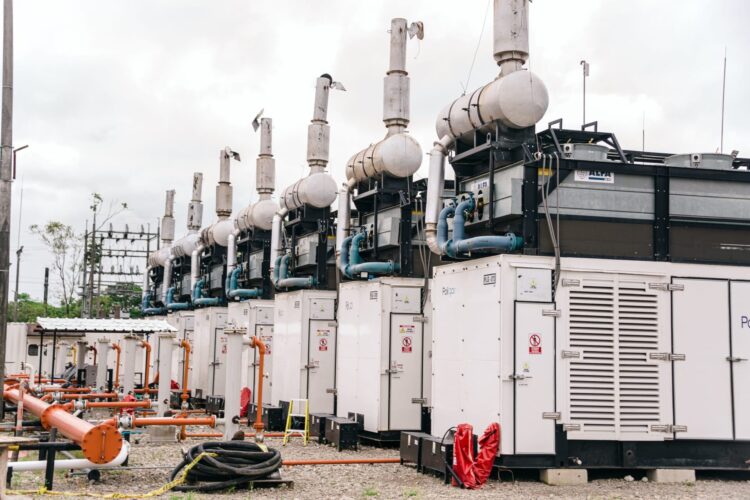
GTE implements a government-approved LDAR program, using third-party Optical Gas Imaging (OGI) camera inspections to identify and repair leaks. In 2024, a full fugitive emissions survey further supported these efforts. Generation equipment is strictly monitored for gas quality compatibility, reducing emissions through efficient fuel use. Since 2019, methane emissions in Colombia have dropped by 37%, from 5,971 to 3,762 tons.
Canada
In Western Canada, GTE uses aircraft-mounted Light Detection and Ranging (LiDAR) systems and has replaced 519 high-bleed gas pumps with solar-powered units across 255 sites. These upgrades, along with site electrification and equipment replacement, have cut fugitive emissions by over 50% since 2023 and reduced total emissions by approximately 17,000 tCO₂e annually.
Ecuador
In Ecuador, GTE is developing a greenfield project with infrastructure designed to meet the highest environmental standards from the outset. The Company complies fully with government requirements on emissions, including methane, ensuring the project is equipped for low-emission operations once active.
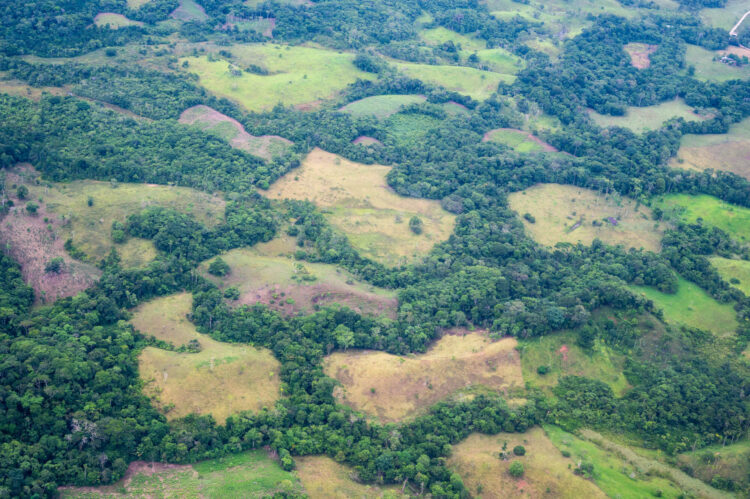
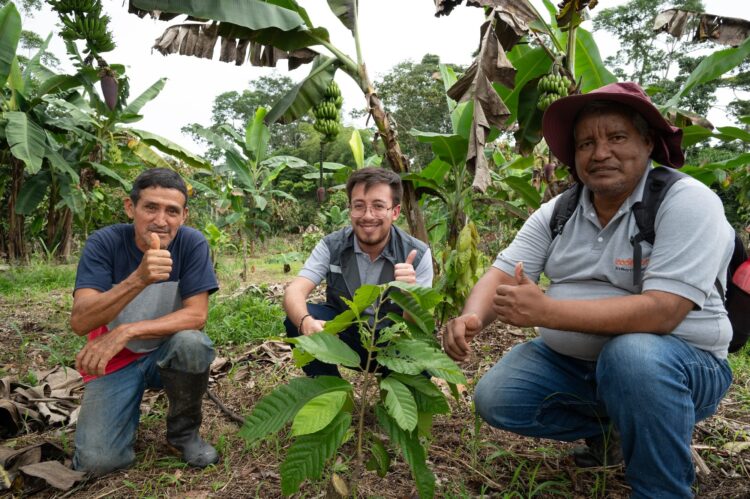
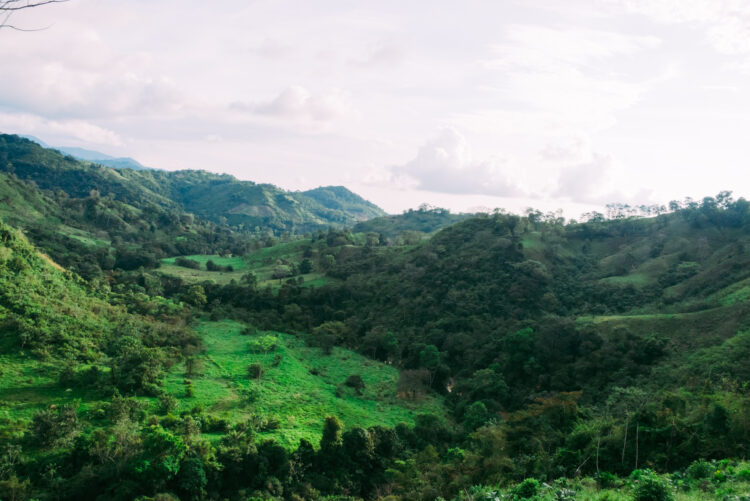
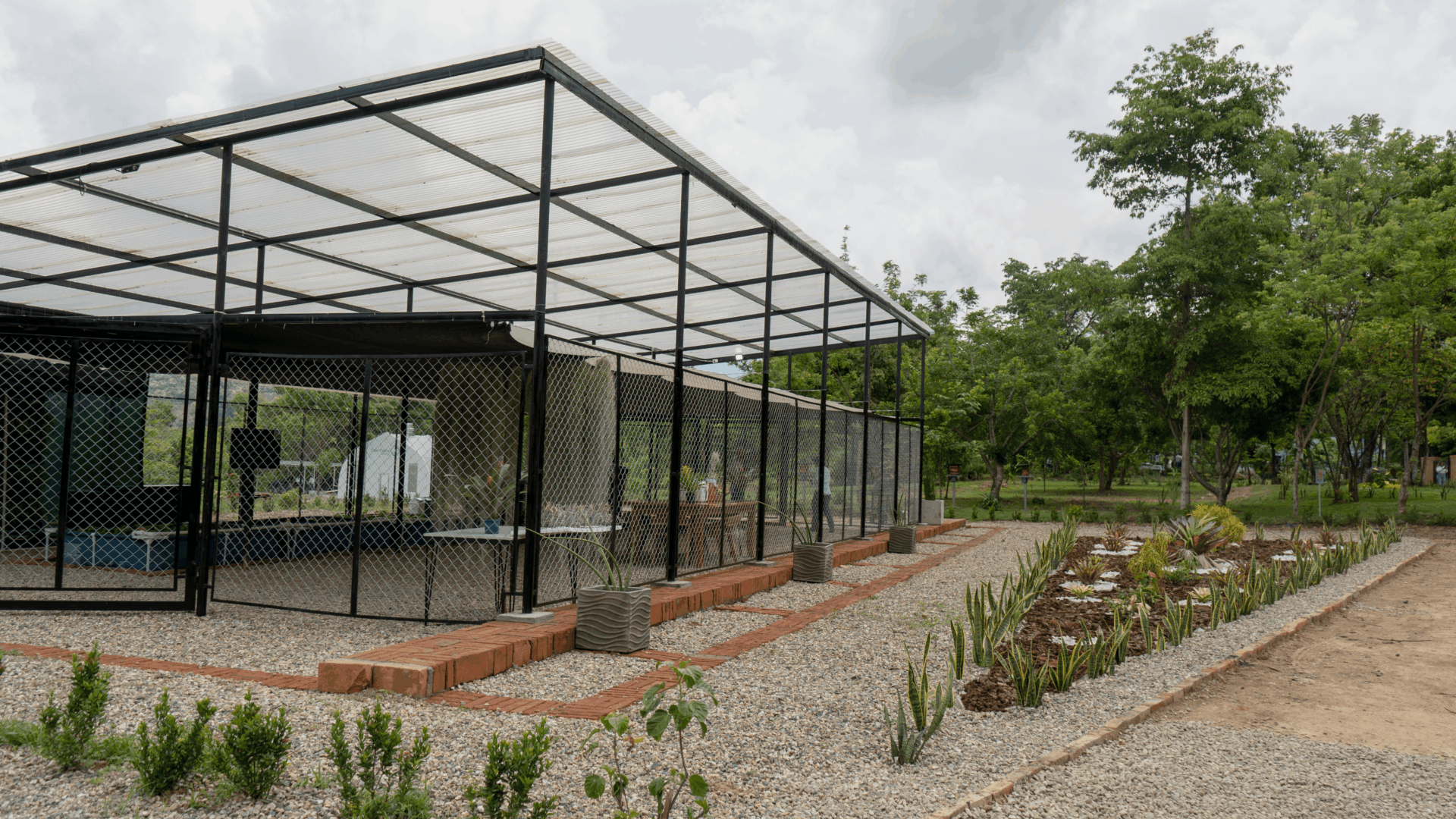
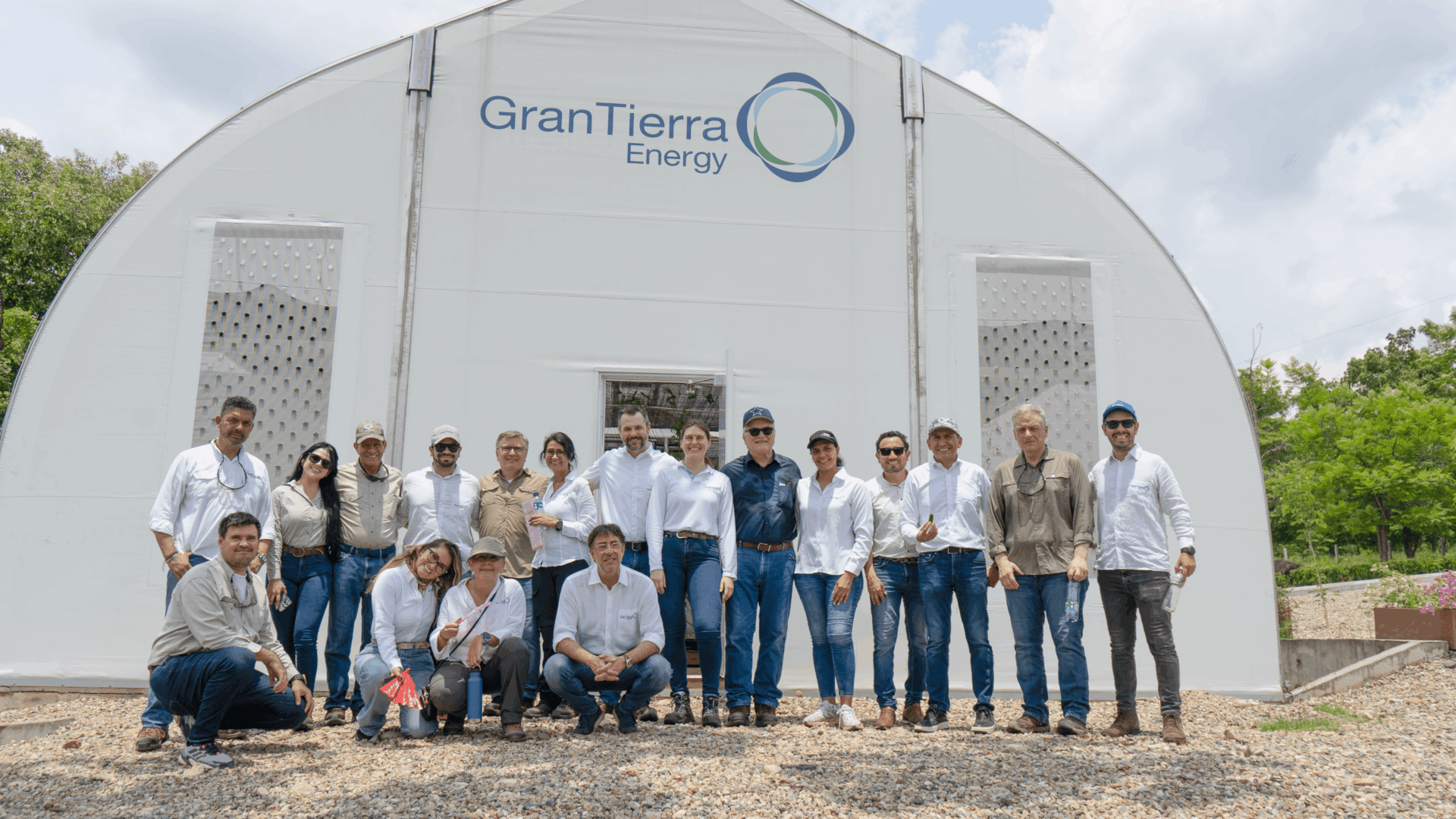
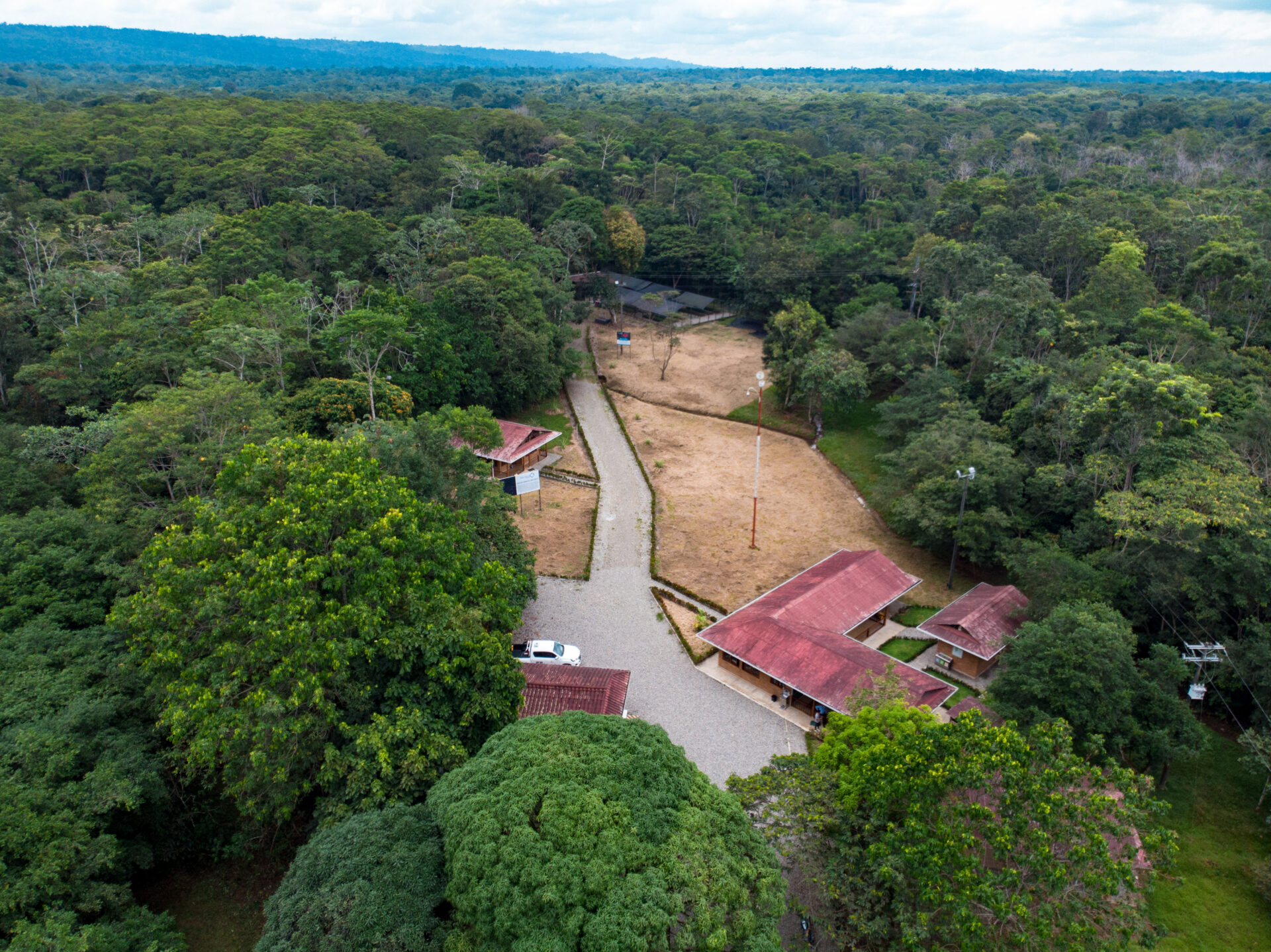
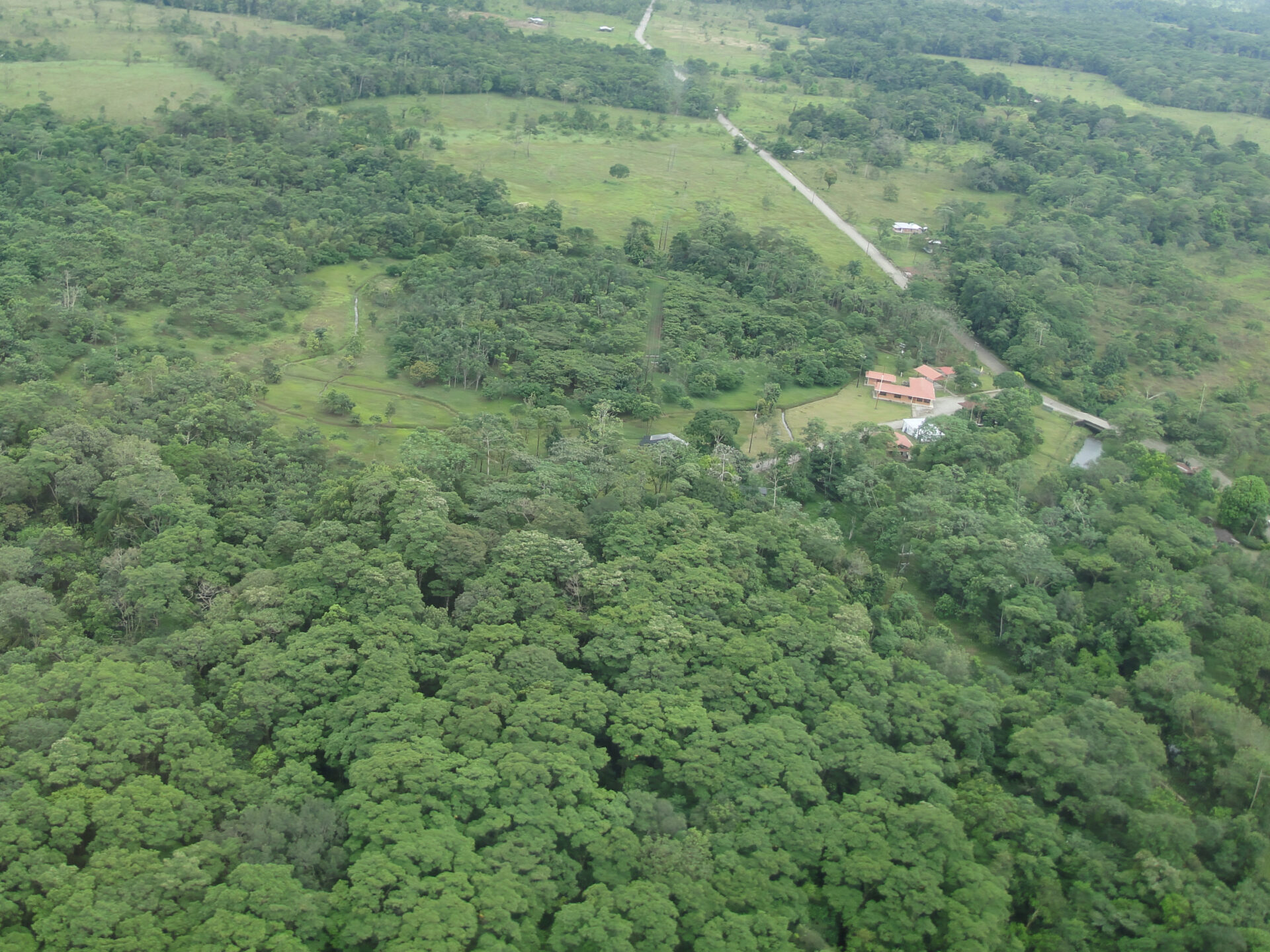
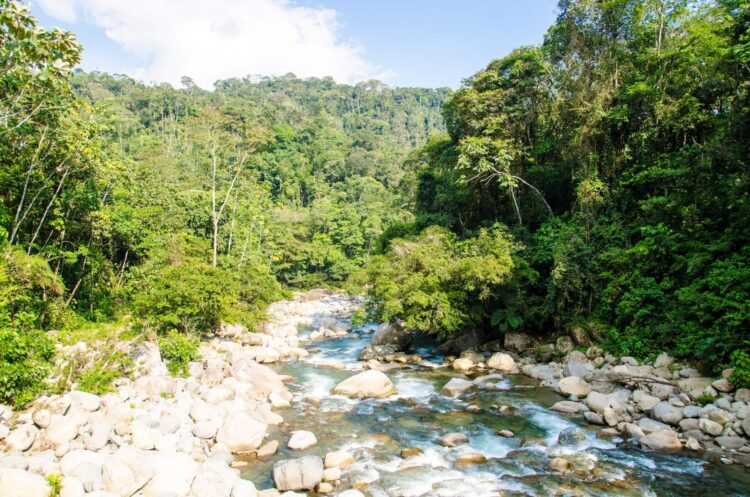
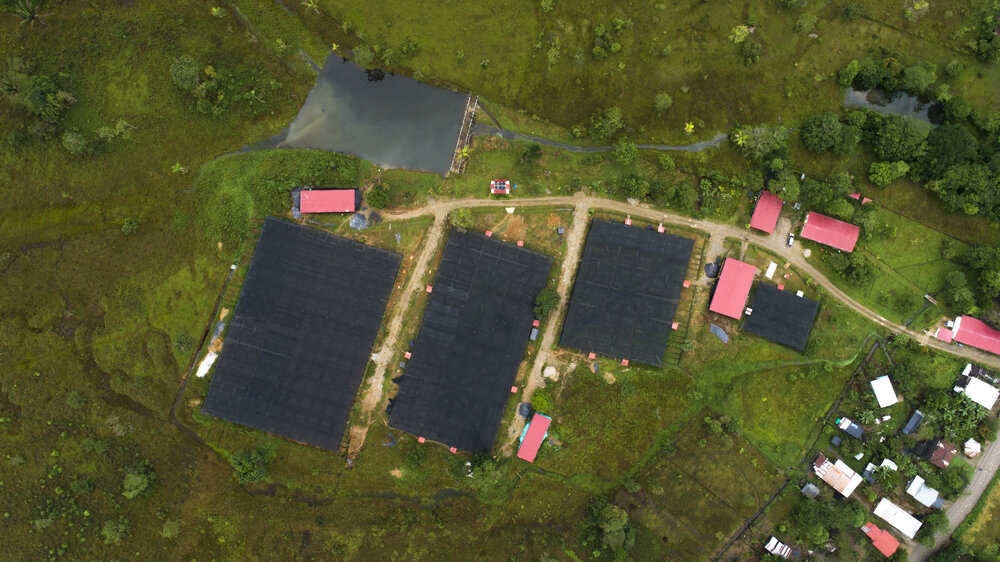
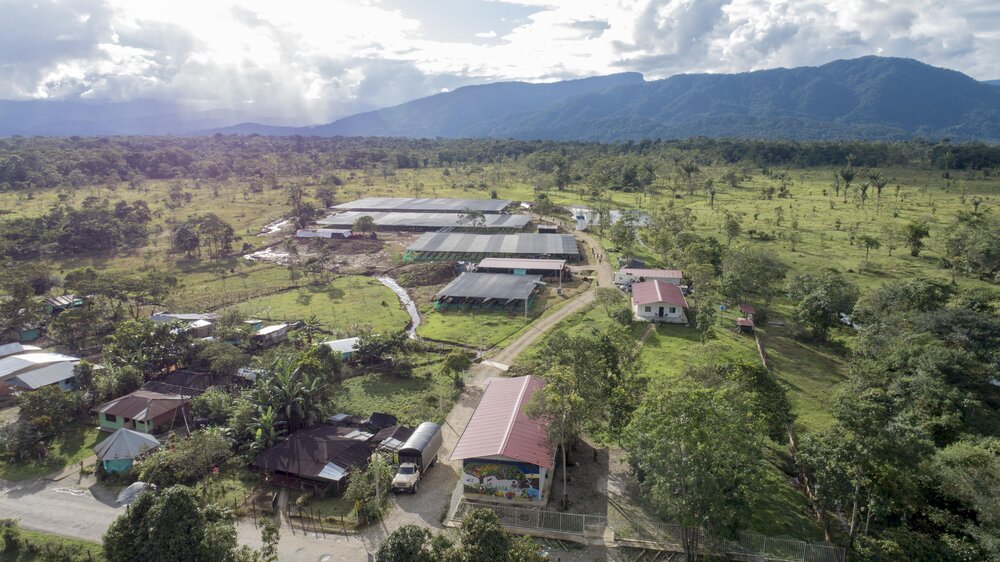
Gran Tierra Energy has officially opened the Acordionero Forestry Centre (AFC), a 185-hectare environmental innovation hub located in El Cairo village, a strategically important conservation zone in Cesar. It is Gran Tierra’s hope that AFC will play a key role in restoring forest corridors and preserving water bodies thar provide water to the surrounding communities. Nearly 11,000 native trees have already been planted at the Centre, reinforcing the Centre’s contribution to ecosystem recovery in the region. The AFC has also been designed to test and implement sustainability efforts aimed at long-term environmental resilience and regional economic development.
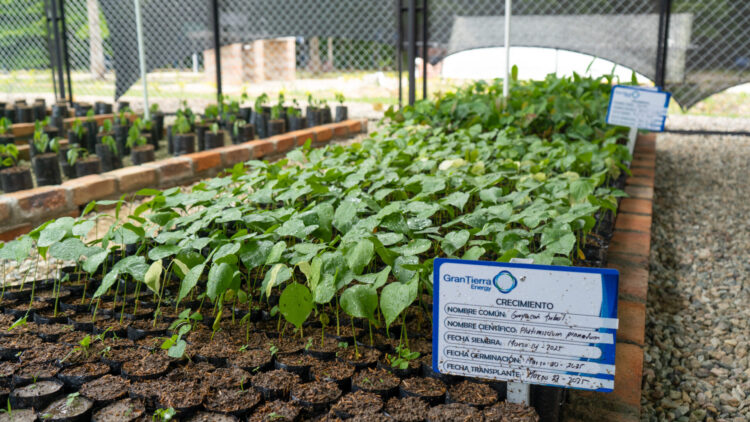
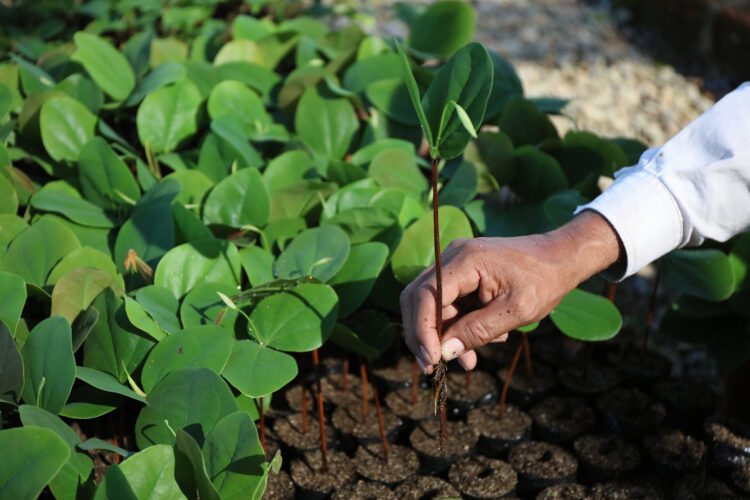
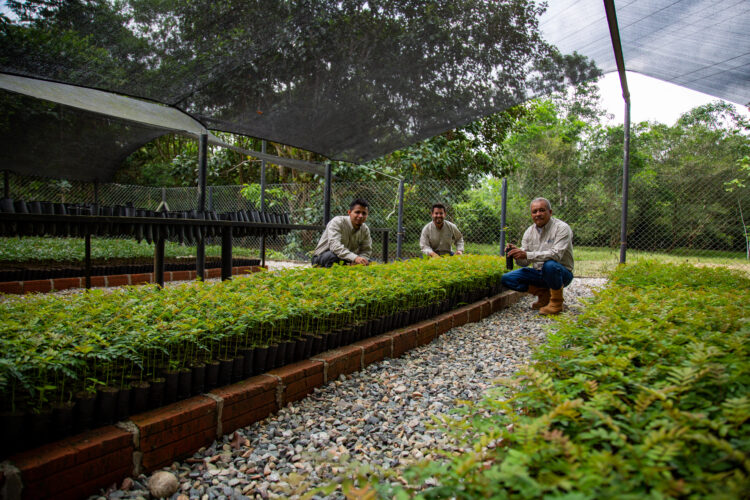
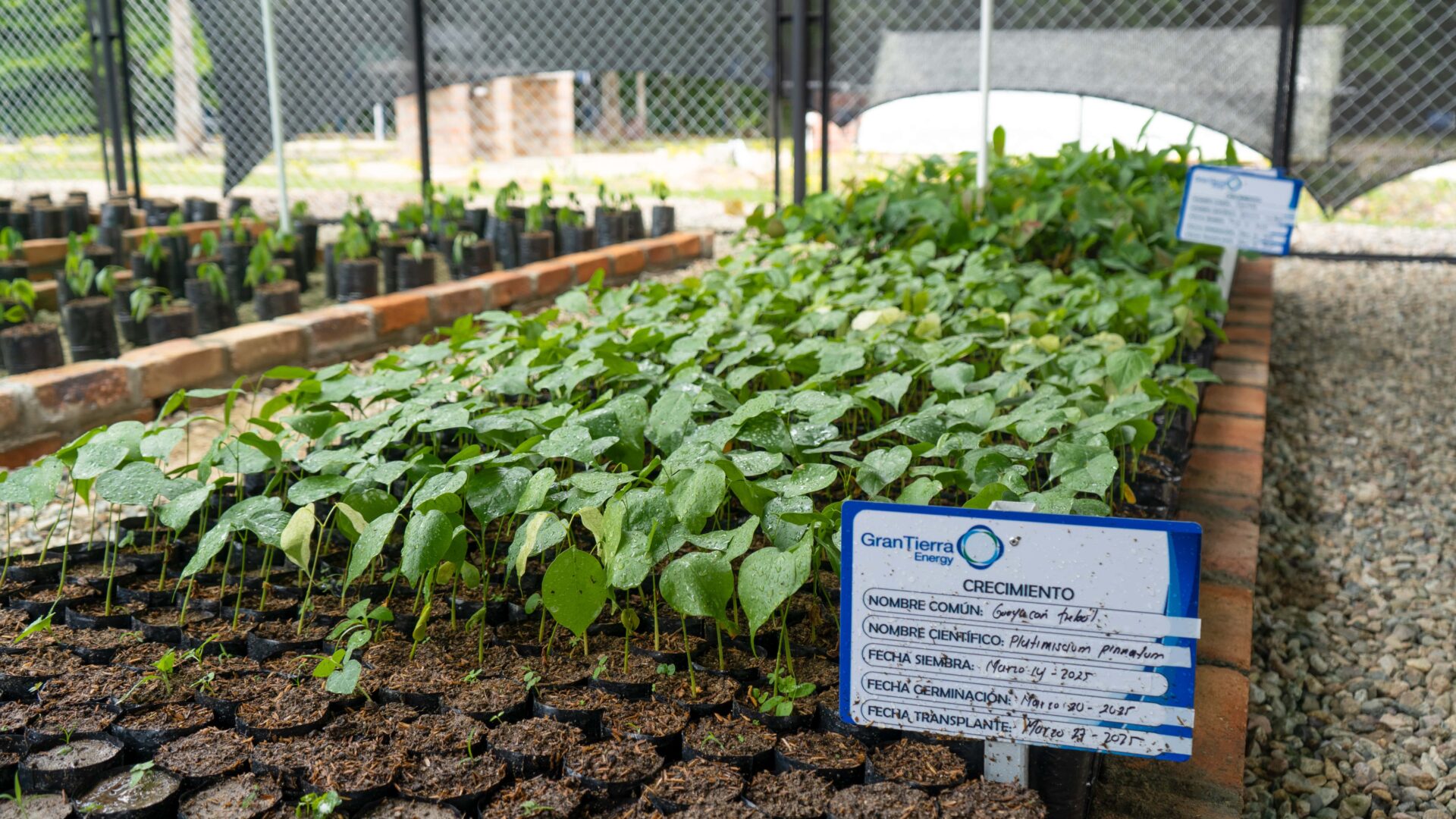
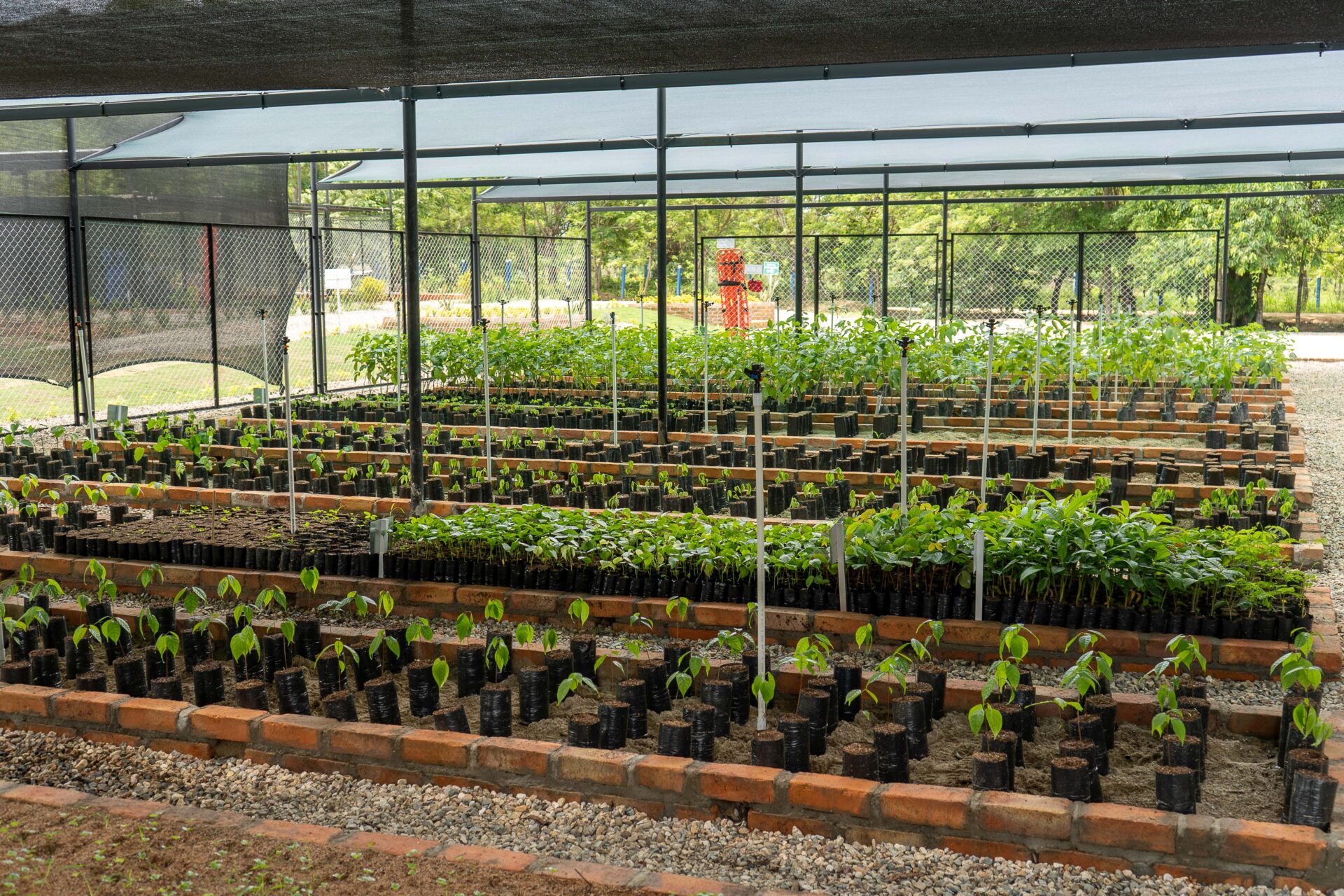
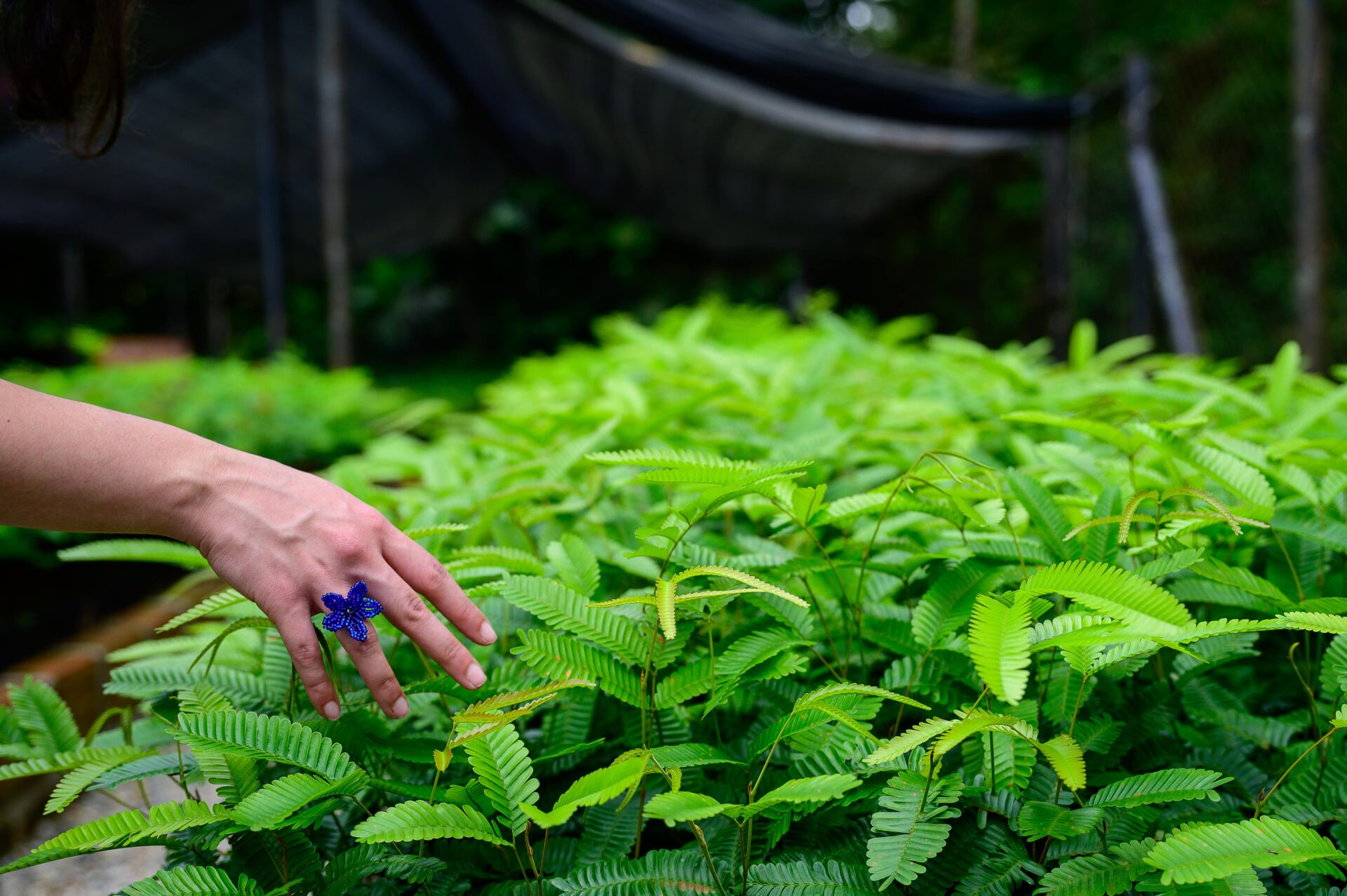
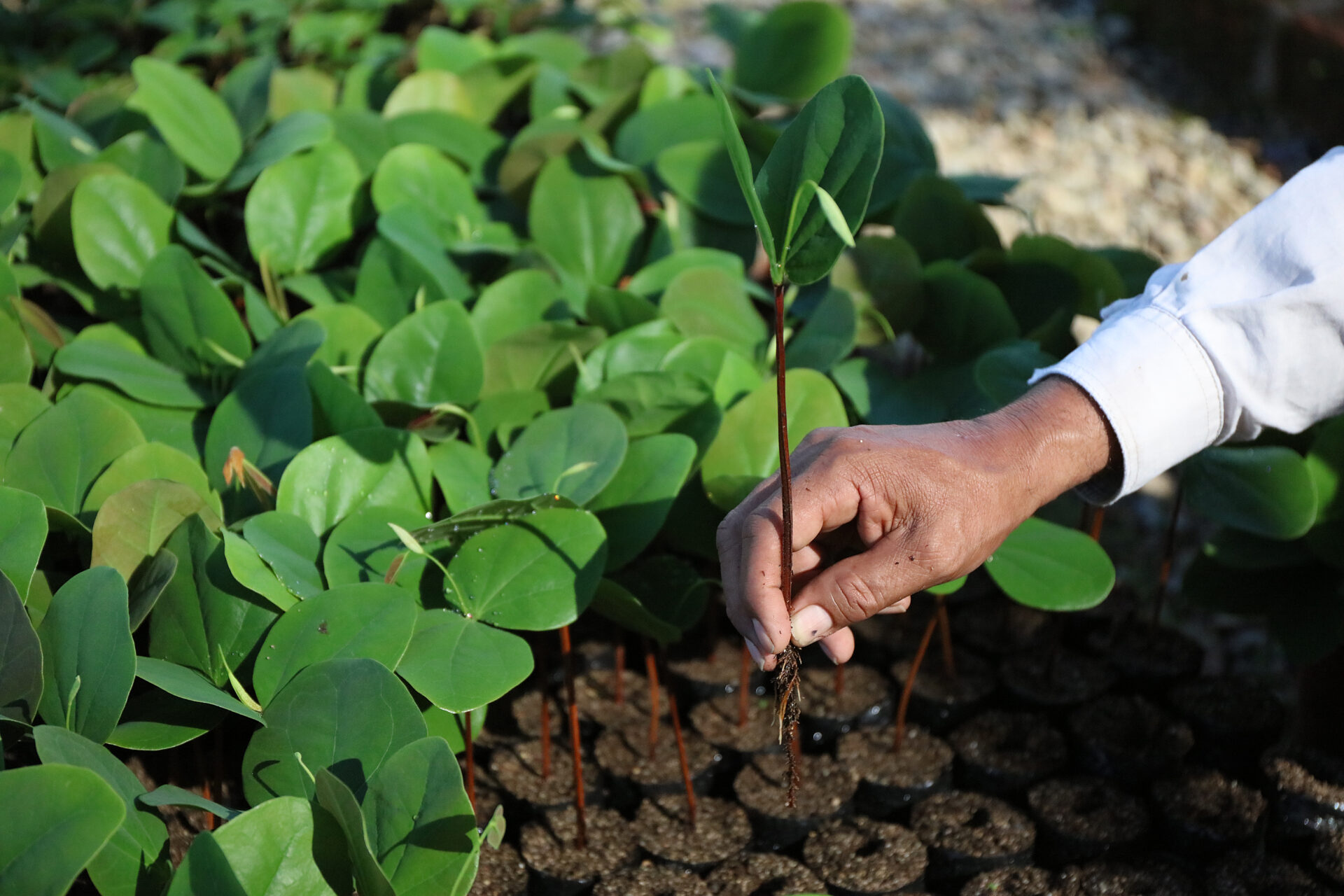
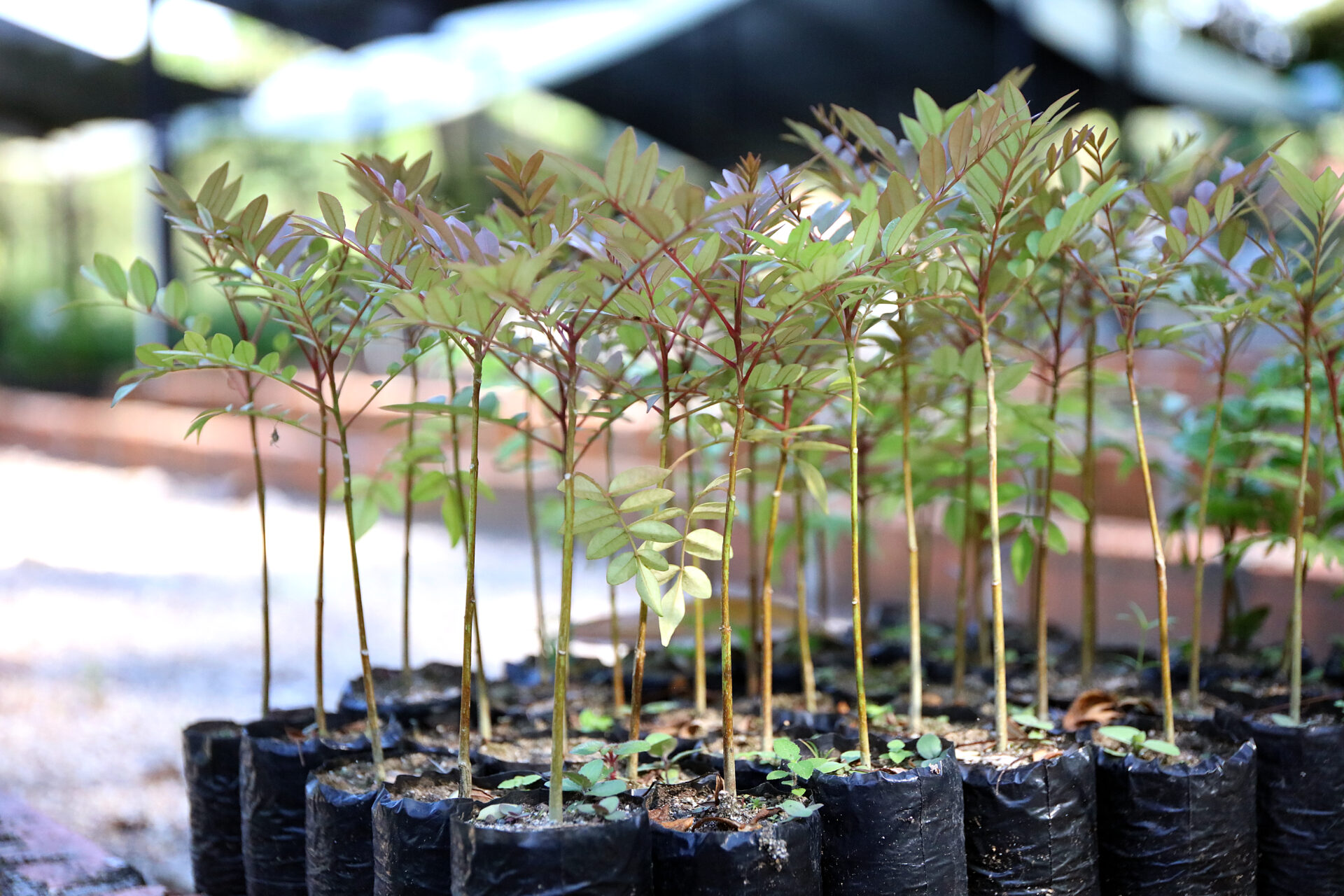
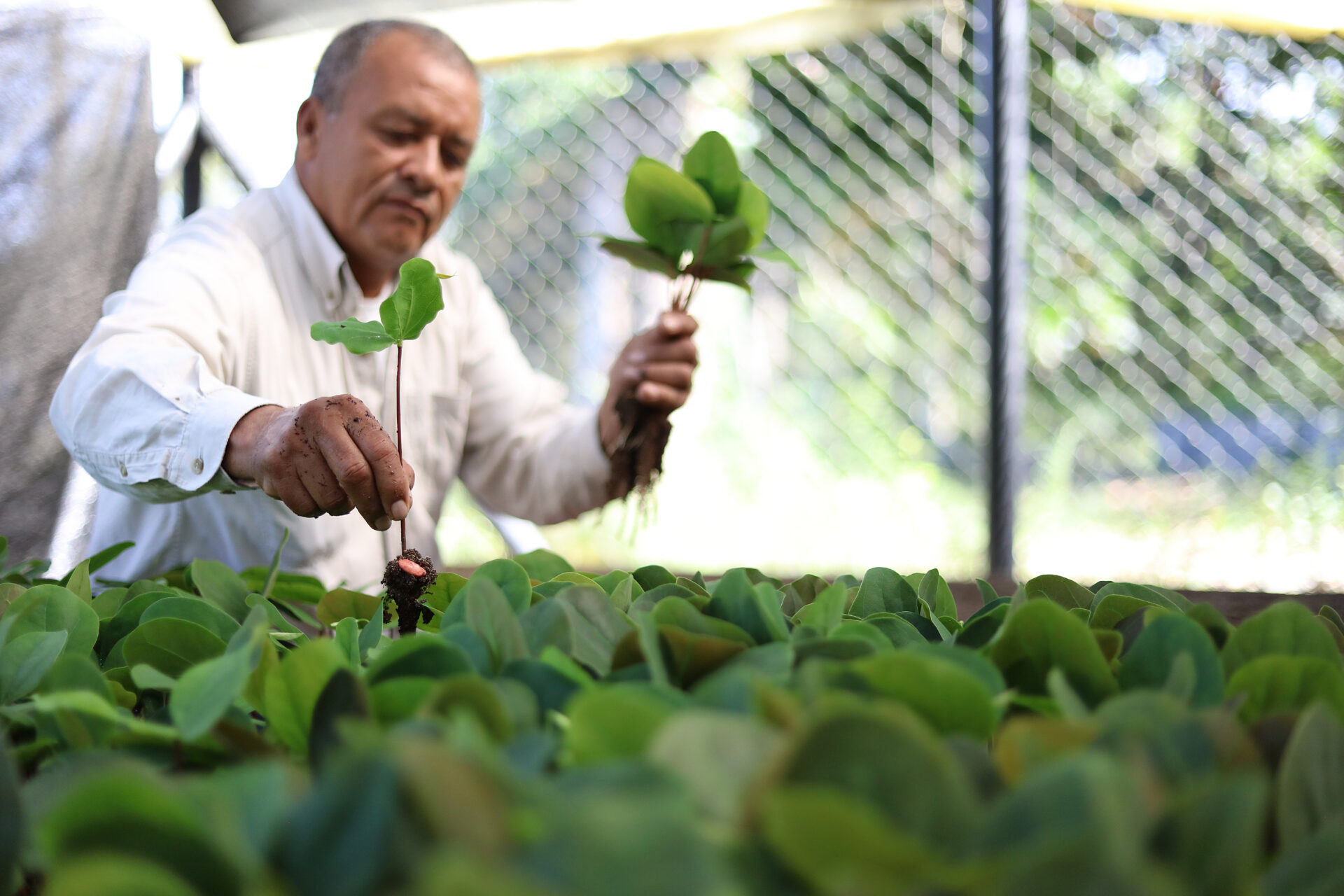
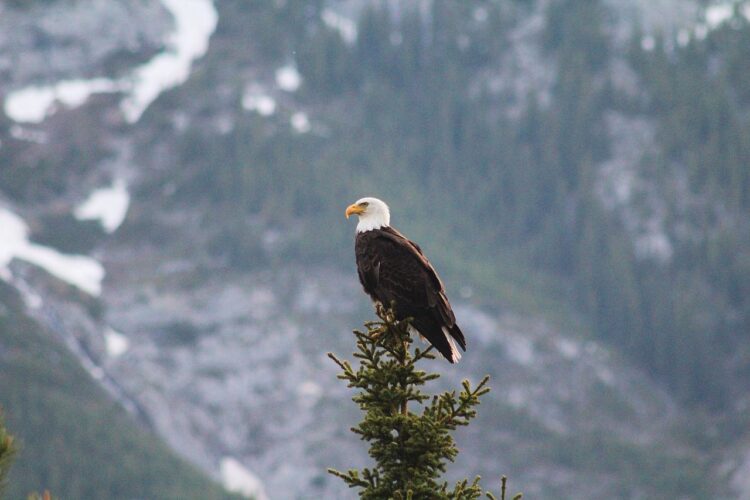
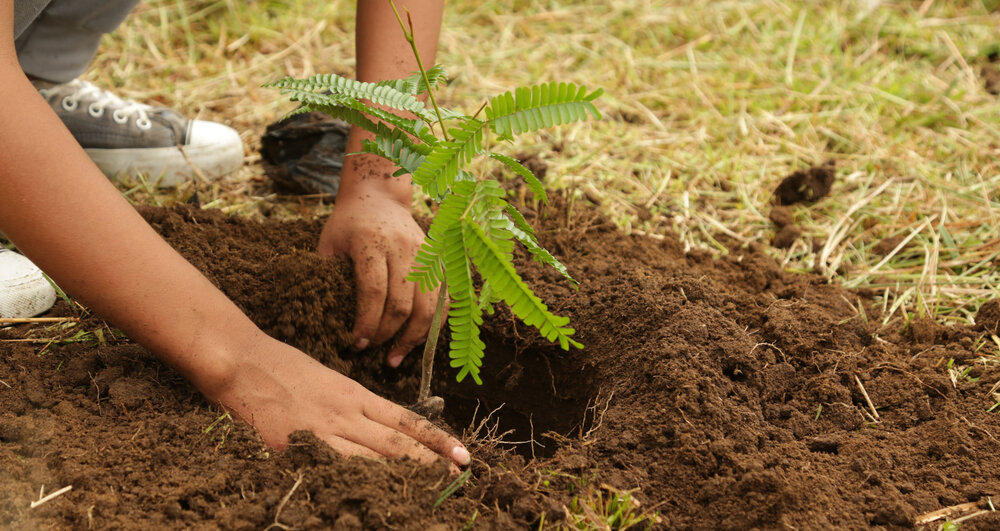
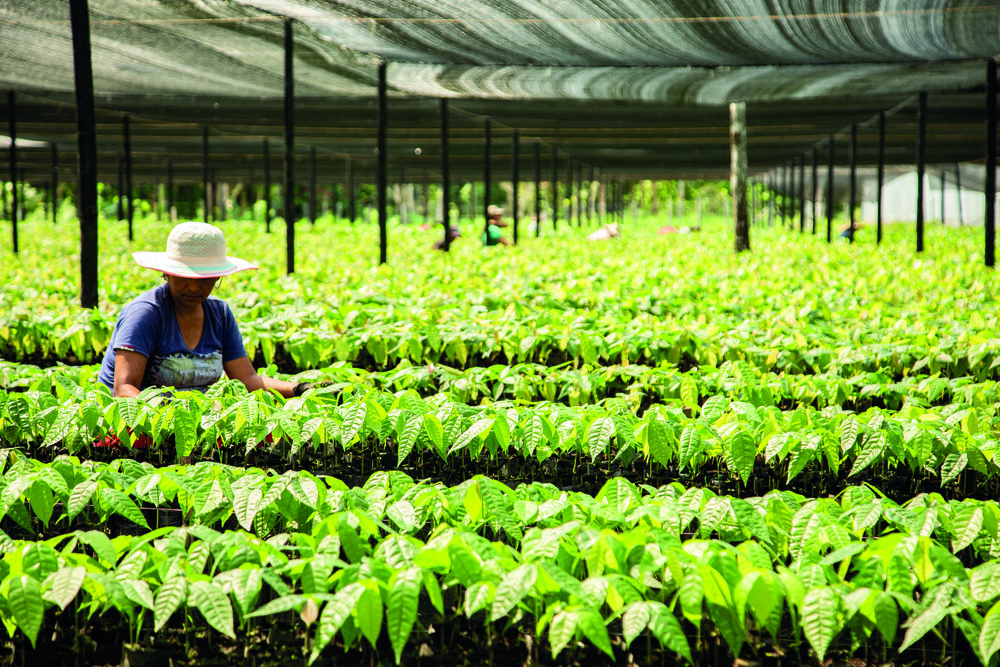
The Centre is located between two interconnected, biodiverse forested areas, through which more than 100 bird species have been recorded travelling. While the geography and ecosystems are different from Costayaco, the location allows the Centre to restore forest corridors and preserve river-based water sources for nearby communities. The AFC also includes a forest nursery for the restoration of native species of plants and trees. Currently, the nursery is producing approximately 9,000 plants per month, that are used to conserve the surrounding forest and are being donated to local families.
Aquaponics
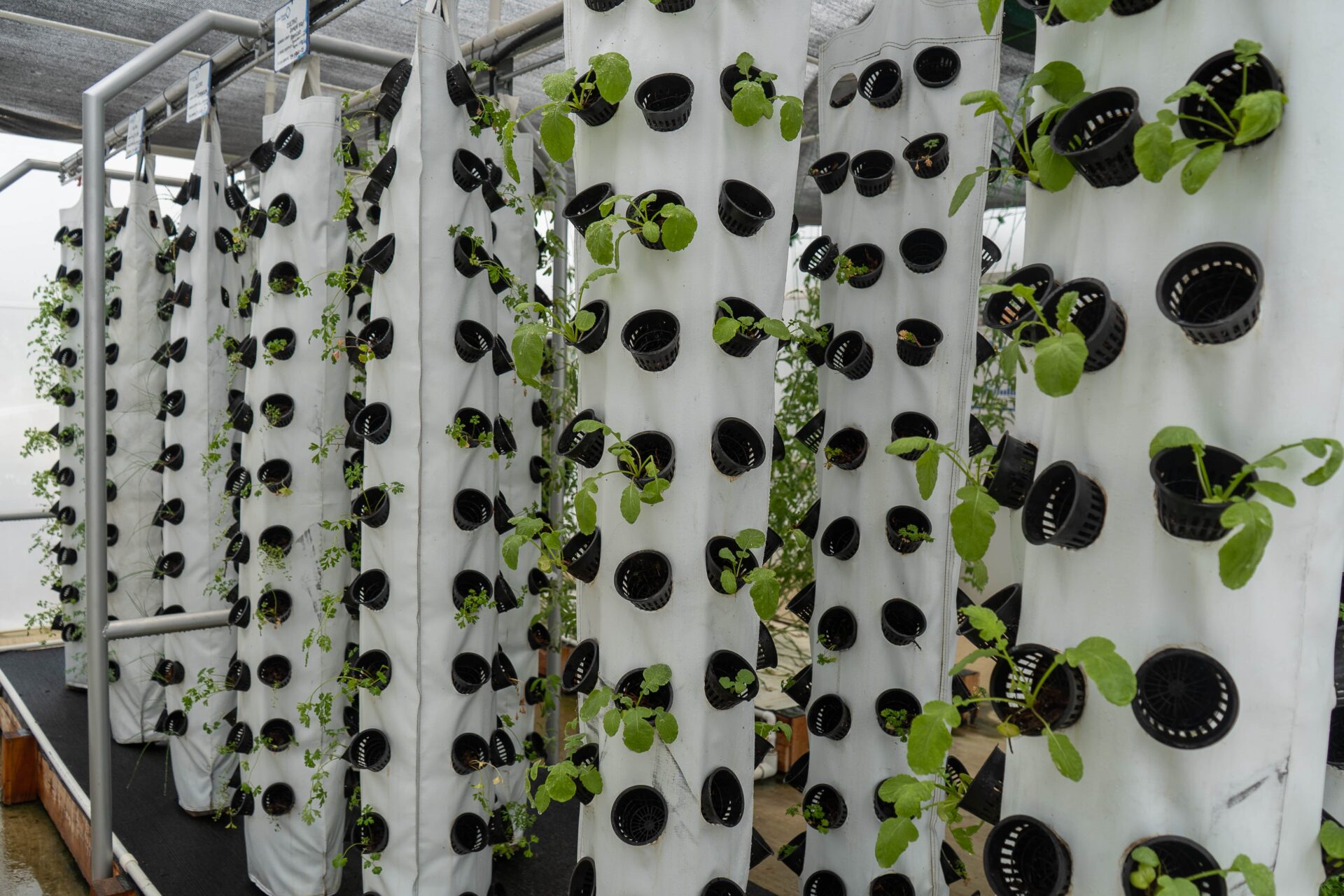
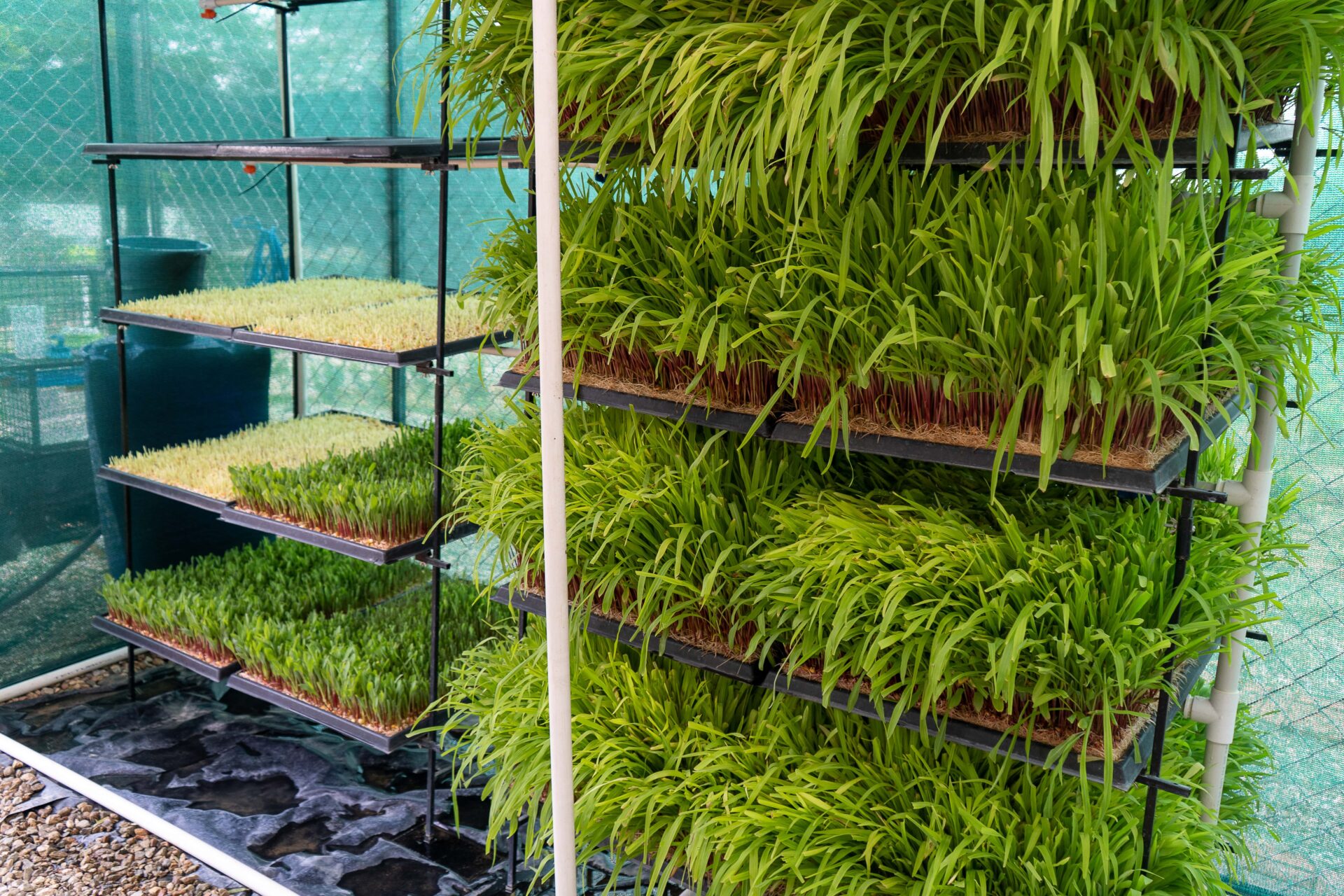
At the heart of this innovation hub is a solar-powered aquaponics system that merges fish farming with hydroponic plant cultivation in a closed-loop system. GTE and local community members, are testing innovative aquaponics systems as part of a broader effort to explore sustainable agriculture models that could enhance environmental and economic resilience in the region. The aquaponics system accelerates food production, with a small land footprint, and have the goal of increasing food security and lowering food costs for families in the region. Nutrient-rich water from tilapia tanks is used to irrigate and fertilize crops such as basil, cherry tomatoes, lettuce, and aromatic herbs—without the need for soil or chemical pesticides. The system recycles water continuously, achieving over 90% water savings compared to conventional agriculture, and is powered by solar energy to ensure operational efficiency and a low environmental impact.
Meliponiculture
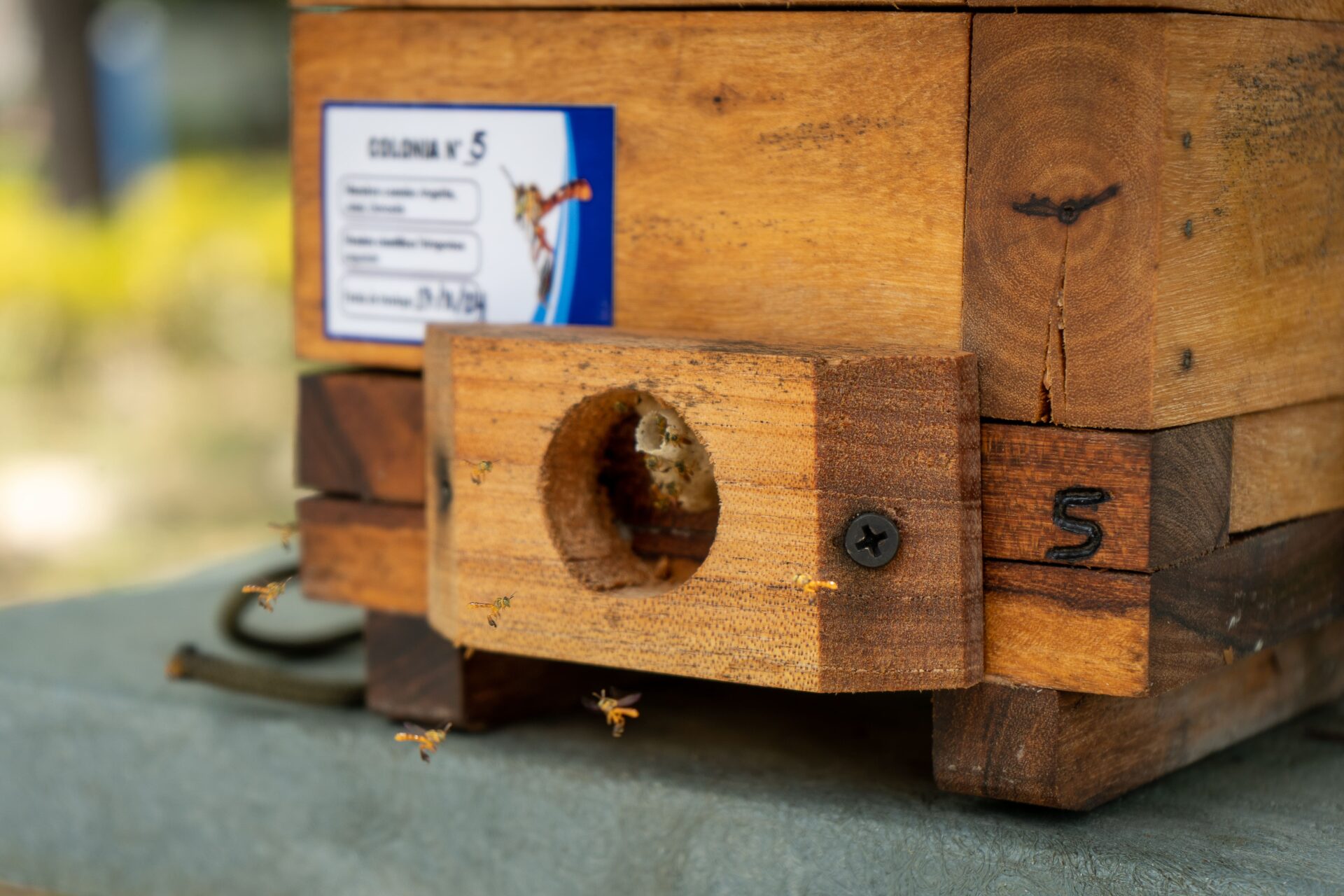
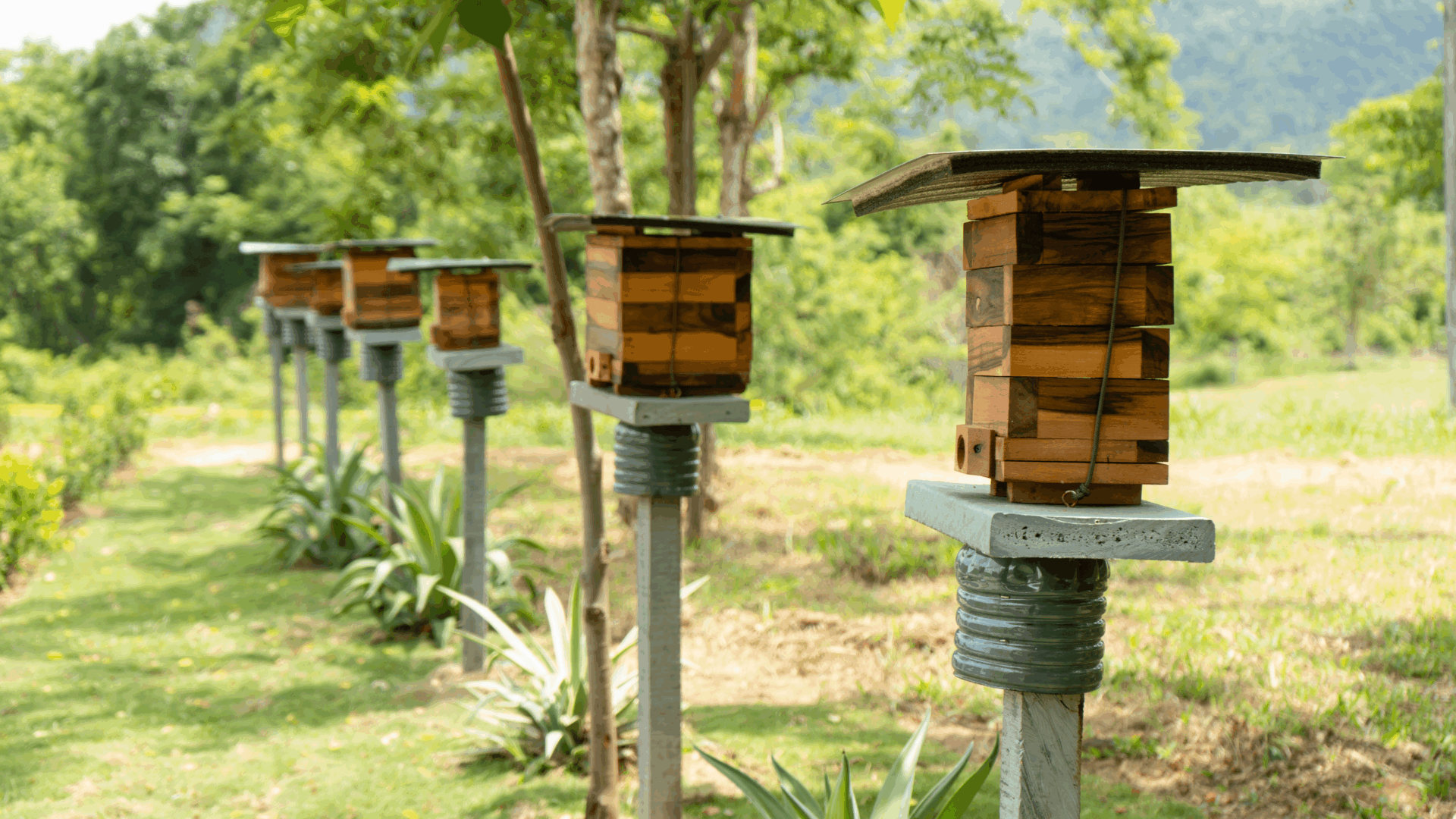
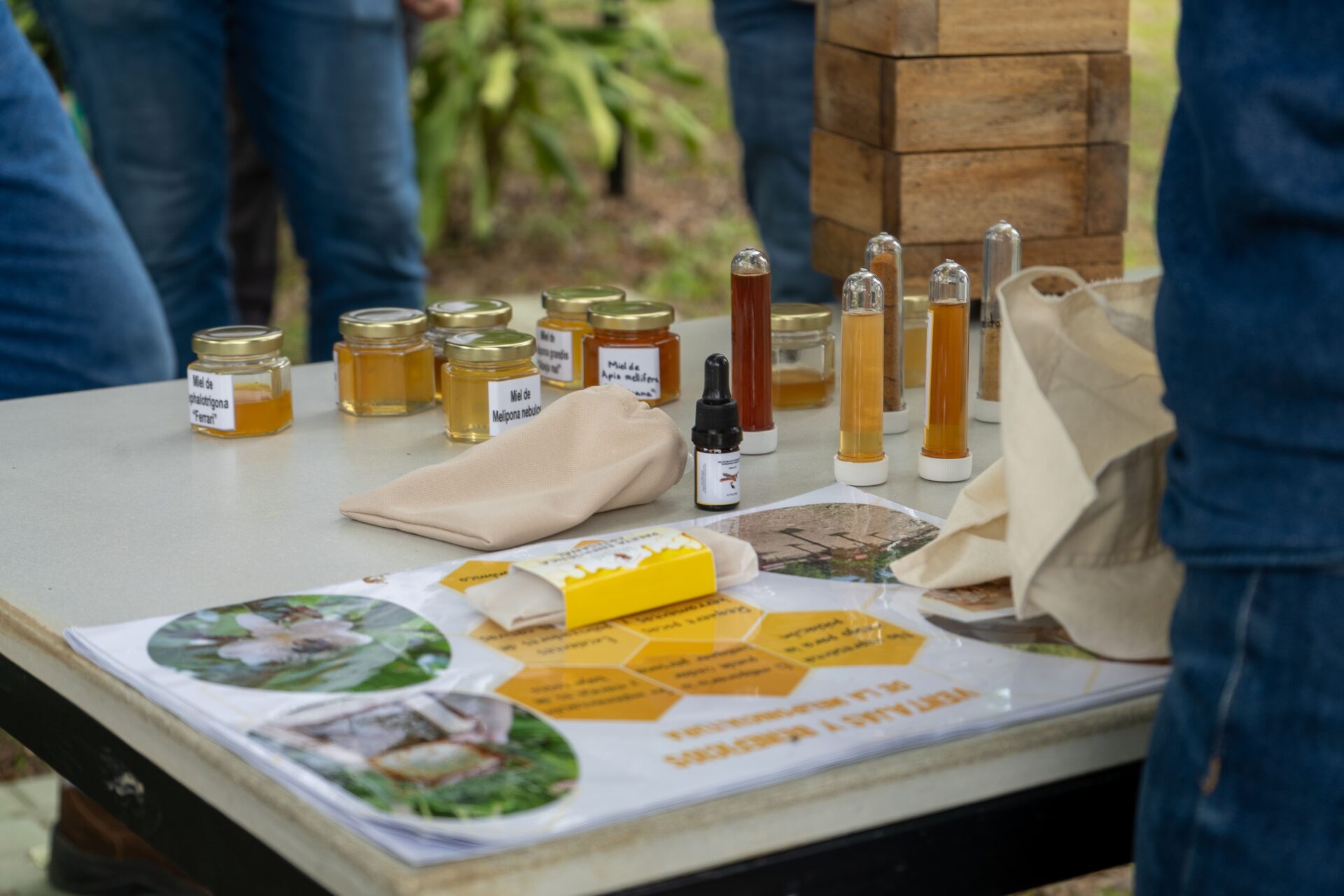
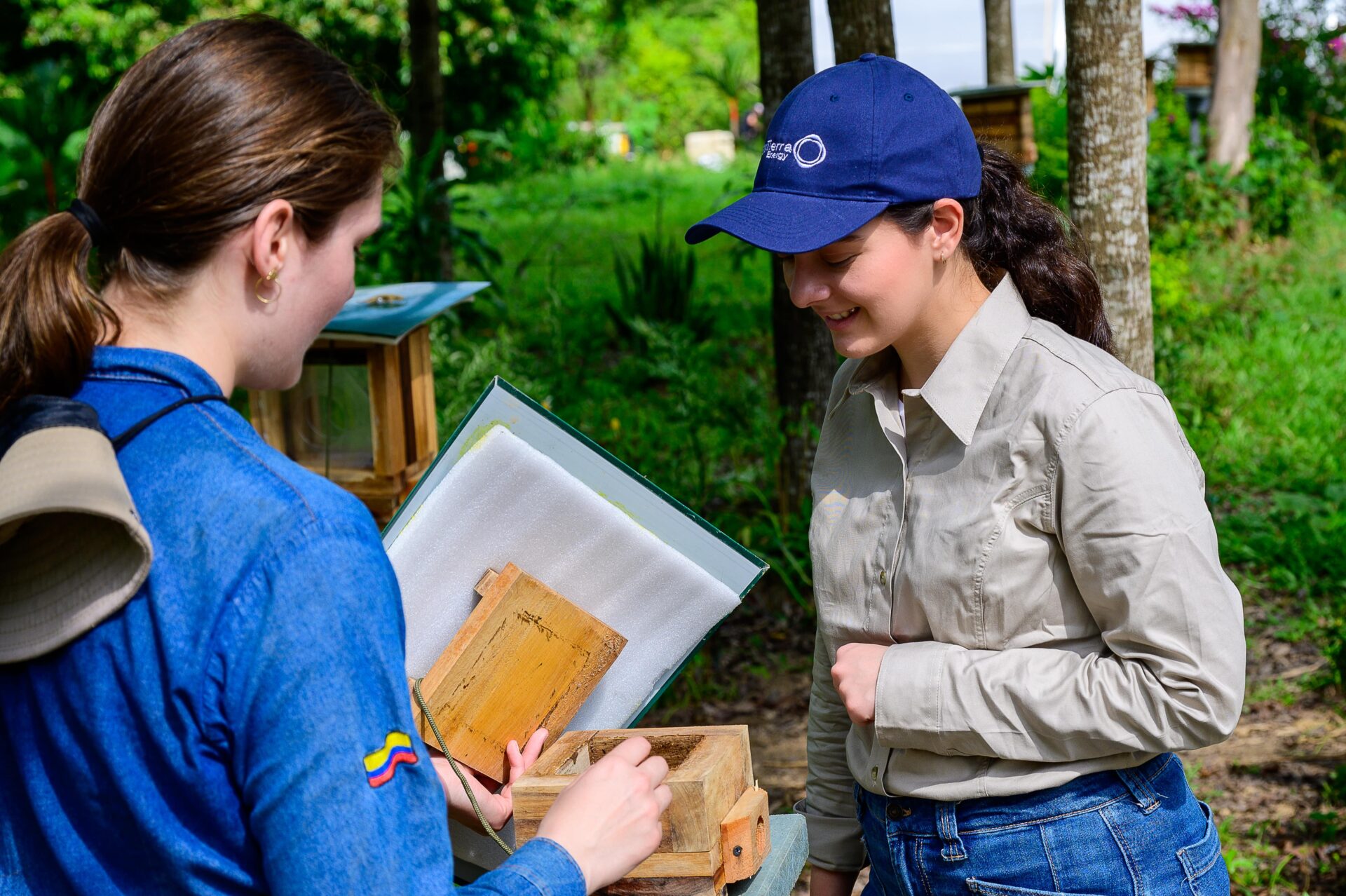
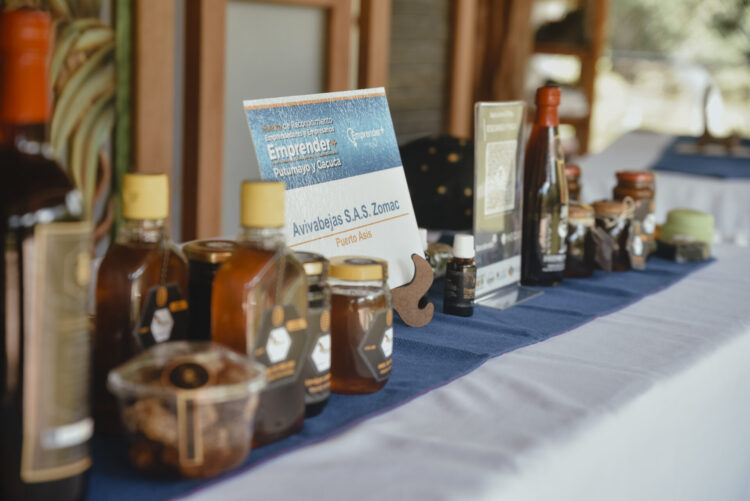
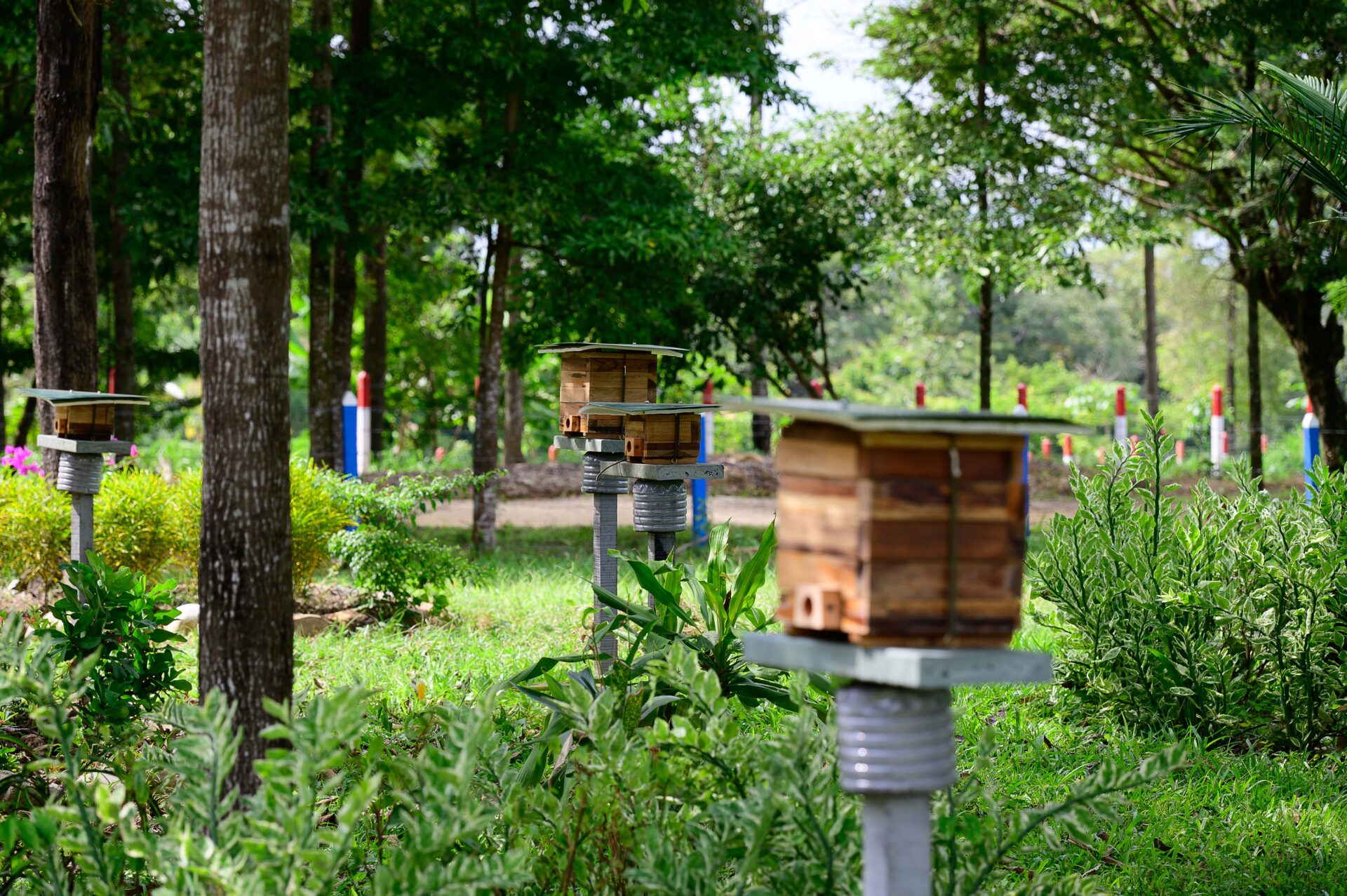
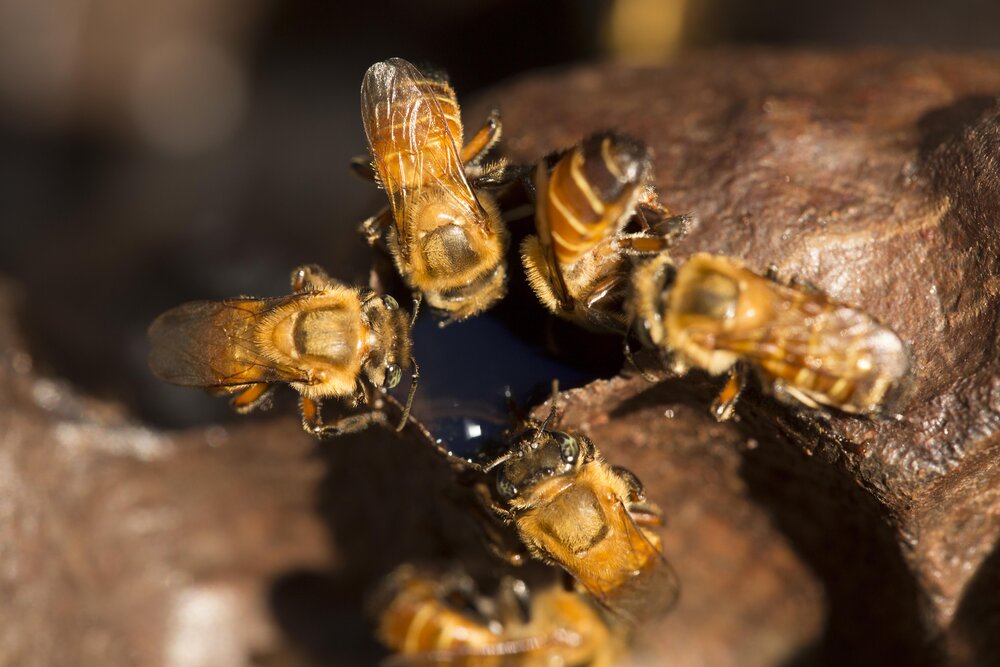
The AFC also includes a meliponiculture initiative that plays a key role in biodiversity conservation by protecting and reproducing native stingless bees—essential pollinators that support the health and regeneration of local ecosystems. These bees assist in the pollination of both native forests and cultivated plantations, helping sustain biodiversity and agricultural productivity. The initiative is also promoting environmental education by raising community awareness about the ecological importance of bees, while creating opportunities for local businesses in the production of high-value medicinal honey and honey-based products. By protecting bees, the AFC is helping to safeguard entire ecosystems and secure a more sustainable future for the region.
Through the Acordionero Forestry Centre, Gran Tierra Energy continues to lead in environmental responsibility, by combining reforestation, water conservation, and community-driven initiatives to strengthen Colombia’s ecosystems and support local families.
Anaerobic Biodigesters
Within the ACF GTE installed residential-scale anaerobic biodigesters. This system treat wastewater organically and produces biogas, eliminating open sewage while providing energy that can be used for cooking. In many rural Colombian villages, untreated wastewater flows through open sewers, creating serious health and environmental risks—especially during the rainy season. At the same time, limited access to propane forces many households to rely on firewood, contributing to deforestation, air pollution, and causing significant adverse health effects. This technology, demonstrates how thoughtful design can create lasting environmental, social, and economic impact.
This Centre highlights how Gran Tierra Energy goes beyond compliance by integrating its environmental legal requirements and new innovative conservation initiatives. Through the Acordionero Forestry Centre, Gran Tierra Energy continues to lead in environmental responsibility, by combining reforestation, water conservation, and community-driven initiatives to strengthen Colombia’s ecosystems and support local families.
“The Acordionero Forestry Centre has allowed us to see how we can work our land in a more efficient and sustainable way. With hydroponic pilot projects we have seen first-hand how, with a small portion of land, we can grow different crops in less time and with a significant increase in the volume. I´m sure that this could change the way we live and we could spend less money on food and accelerate the production of our crops.”
Leodan Navarro Herrera
Community Member, la Vereda el Cairo
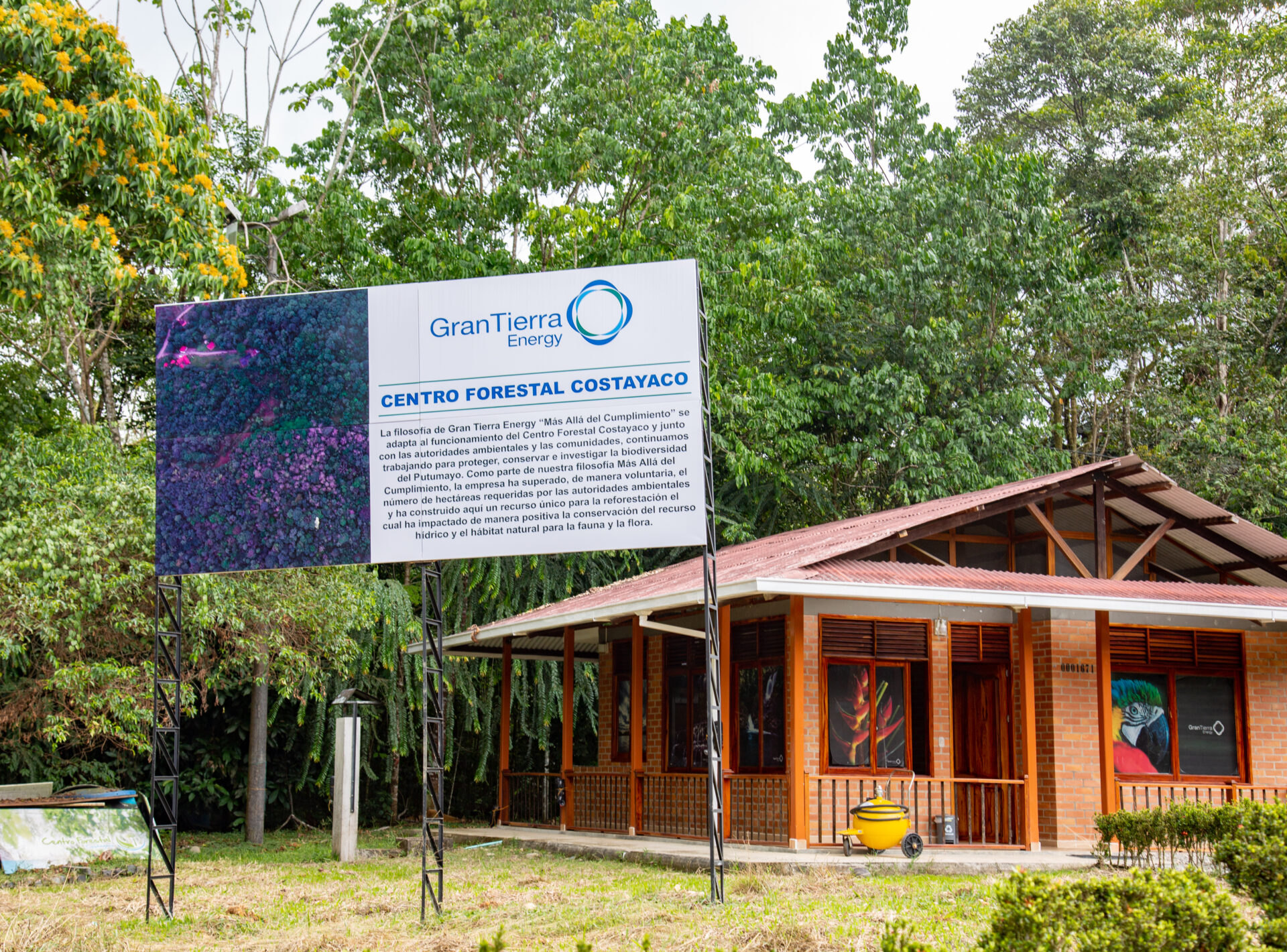
The Costayaco Forestry Centre (CFC) is one of the most innovative reforestation efforts in South America that has grown to 335 hectares, located near the Company’s production facilities in Putumayo. Established in 2010 in coordination with regional environmental regulator Corpoamazonia, the facility has grown into a significant habitat for butterflies, birds, large felines and other wildlife.
The Centre is strategically located in an important environmental corridor connecting the Andean foothills and Amazonian Forest ecosystems, serving as a focal point for the Company’s compensatory requirements as well as many of its voluntary environmental activities. After 10 years, the Company is very close to achieving its long-term goal of connecting the corridor to the foothills. The Centre, which was officially designated as a protected habitat and has been replicated around the country, also serves as a hub for nearby communities, hosting educational sessions, presentations and briefings.
+0
Hectares
GTE’s conservation footprintrnto date
0
Hectares
GTE’s operational footprintrnto date
0
hectares
1,494 hectares of land has beenrnreforested and ecologicallyrnrestored
A Source of Seedlings
The Forestry Centre has cultivated hundreds of thousands of seedlings providing local communities the capability to reforest their land with native trees. Residents have begun planting seedlings on their land, which over the years had been degraded by agriculture, animal husbandry, and other industries that damaged the natural habitats and sensitive ecosystems. The Centre is located in close proximity to the Sacha Wasi nursery which has the capacity to produce over one million seedlings each year as part of NaturAmazonas.
A Space for Learning
The Forestry Centre functions as a community learning space with programming for both youth and adults. Visitors can learn about GTE’s operations and environmental stewardship activities. The Centre has welcomed government officials, scientists, community members, companies, academic institutions, students and is open to all.
Monitoring the Restoration of Animal Life
The motion sensor camera and monitoring stations at the Costayaco Forestry Centre have successfully identified 121 species of birds, 15 species of amphibians and 11 mammal species. This is a significant increase from the last wildlife monitoring program in 2016, which shows that the Company’s conservation and reforestation efforts are restoring these natural habitats and attracting wildlife back to these regions.
“As parents, our legacy is protecting the forest so our kids can have good oxygen, diversity of flora and fauna and clean water. It’s incredible what the workers at the CFC have been able to do — now we see a huge amount of trees in what used to be empty lots. The animals have come back and the monkeys go through the trees to cross the road. The CFC helped me plant trees near my home, and people are more aware of the forest here because when they come to take trees to plant, they learn not to cut trees down. For me a place like this is incredible because I’m very concerned about climate change.”
Fabio Montenegro
Member of the El Meson Vereda Community Action Board (JAC)
Gran Tierra in My Community
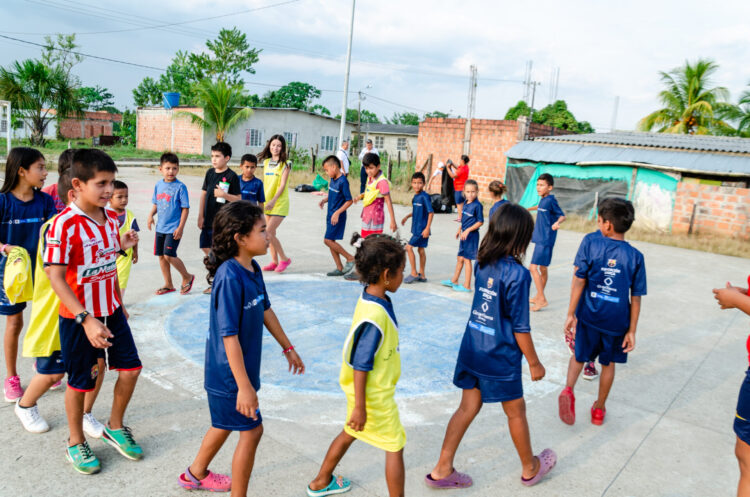
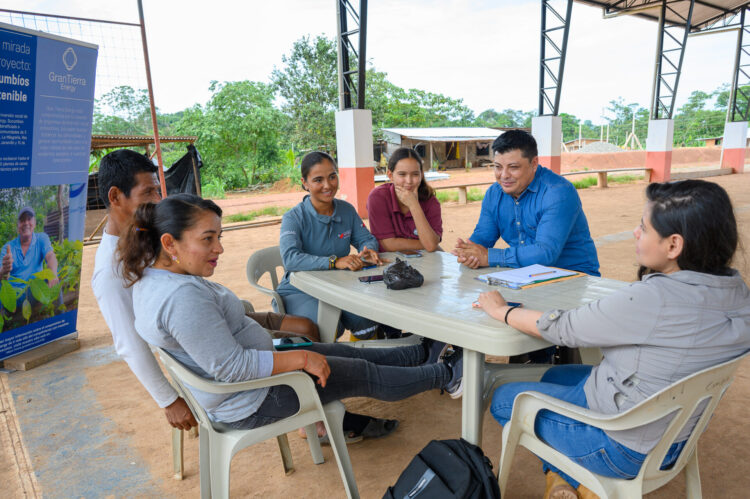
GTE regularly hosts a variety of community-based activities to strengthen ties with communities, leaders, and institutions in the areas where Gran Tierra operates. The events cover a wide variety of topics, including operational, educational and cultural. Designed to strengthen bonds with local communities, leaders, and institutions in Putumayo, Cauca, Santander, and Cesar departments, GTE In […]
GTE maintains transparency about its environmental practices by ensuring stakeholders are well-equipped to understand, analyze, and respond to the information they receive, some of which can include highly technical data.
Informational Sessions in Ecuador to Strengthen Environmental Oversight
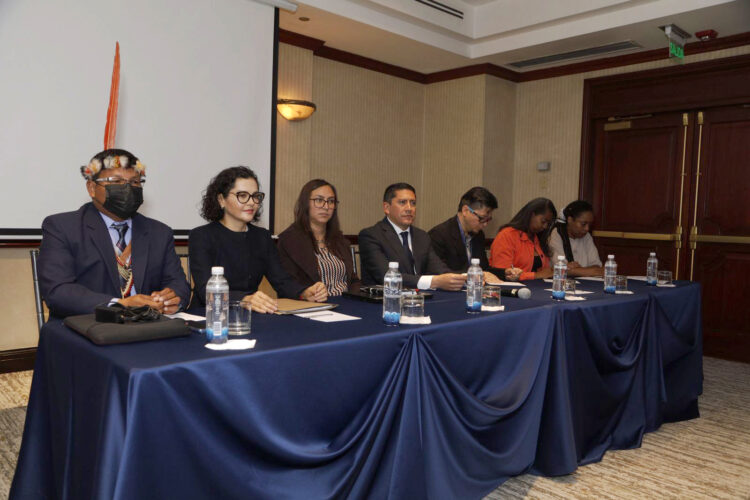
In 2024, Gran Tierra Energy strengthened its commitment to environmental responsibility by partnering with independent external subject matter experts to host a series of informational sessions on air dispersion modelling. This scientific tool is used to better predict and understand potential environmental impacts from industrial activity—an essential part of GTE’s approach to responsible operations.
Two sessions were held in Lago Agrio and one in Quito, creating a space for open dialogue and knowledge-sharing. A total of 32 GTE staff members and 14 technicians from Ecuador’s Ministry of the Environment (MAATE) participated. These sessions not only strengthened the technical understanding of air dispersion modelling but also established a trusted partnership between GTE and MAATE in promoting sustainable practices across the region. By proactively engaging with regulatory authorities and ensuring transparency in its operations, GTE continues to build trust with key stakeholders and reinforce its role as a responsible energy partner.
GTE has also previously offered an Environmental Monitoring Training workshops to help people living in the community of Unión Balsareña, who live near the Company’s operations in the Chanangue block in Sucumbíos, Ecuador, more effectively observe and provide feedback about GTE’s environmental monitoring procedures. The workshop covered regulations, studies, surveys and management, and ecological monitoring methodology and practices.
Seventeen community members participated in the workshop, and the Company provides ongoing support to ensure community leaders and program participants can continue to engage environmental experts to support their oversight role.
+0
Hectares
GTE’s conservation footprintrnto date
0
Hectares
GTE’s operational footprintrnto date
0
hectares
1,494 hectares of land has beenrnreforested and ecologicallyrnrestored
“We look for opportunities to make the greatest social, environmental and Human Rights impact possible, rather than just checking a box.”
Eduar Mendoza
Environmental Compliance Coordinator
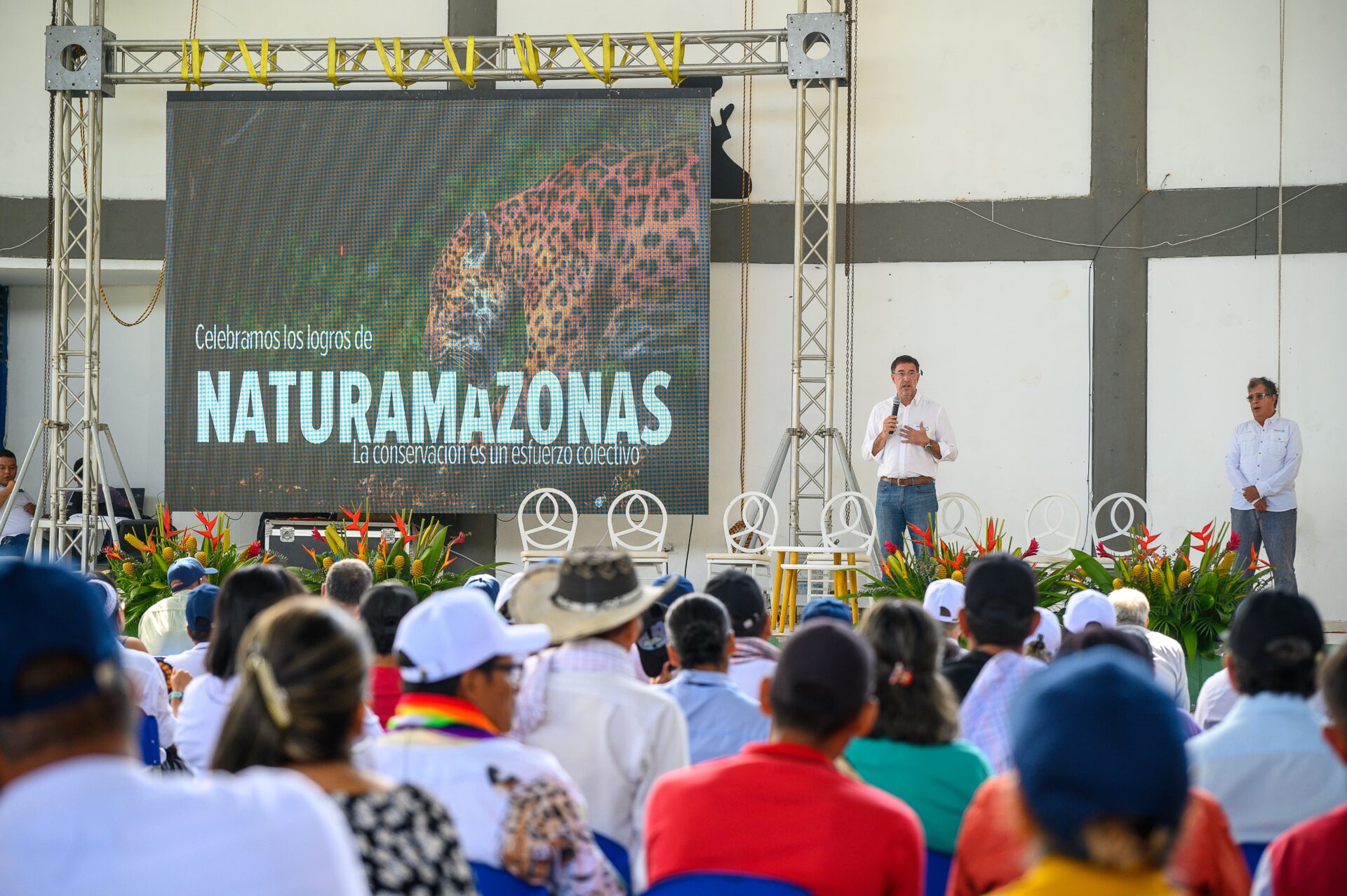
NaturAmazonas, the flagship conservation program started by GTE and Conservation International, has grown into an alliance of public and private institutions working together to address the root causes of deforestation. It works to develop solutions for reversing the process, while increasing the well-being of nearby communities.
GTE’s program has grown into a joint effort between the Colombian Ministry of the Environment and Sustainable Development, regional environmental agency, Corpoamazonia, and NGO Conservation International which oversees the project. The overall objective is to create the conditions required to protect and conserve Colombia’s Amazonia region by planting millions of trees and conserving land to restore important forested lands, helping residents live and work in greater harmony with the forest, and fostering partnerships amongst the institutions needed to effect long-term change at scale. This initiative strengthens the mechanisms needed for sustainable reforestation and large-scale conservation.
These include:
- Bringing numerous public and private institutions under an established framework to collaborate and increase their combined impact.
- Increasing knowledge of, and respect for, the value of forested areas.
- Implementing mechanisms for people and communities that reside in the area to make a sustainable living in harmony with nature.
In its first seven years, this USD $18 million initiative has reforested and ecologically restored over 2,000 hectares of land and has attracted additional partners interested in moving this revolutionary program forward. In 2023, Gran Tierra extended the NaturAmazonas program for another four years and continues its industry-leading reforestation in partnership with Conservation International.
+0M
trees
+1.6M trees have been planted
through NaturAmazonas
0
families
4,290 people have been positively impacted through NaturAmazonas
+0
hectares
Over 2,000 hectares of land have been
reforested and ecologically restored
+0M
seedlings
Over 3.7M seedlings have been distributed at the NaturAmazonas nurseries
~0
farmers
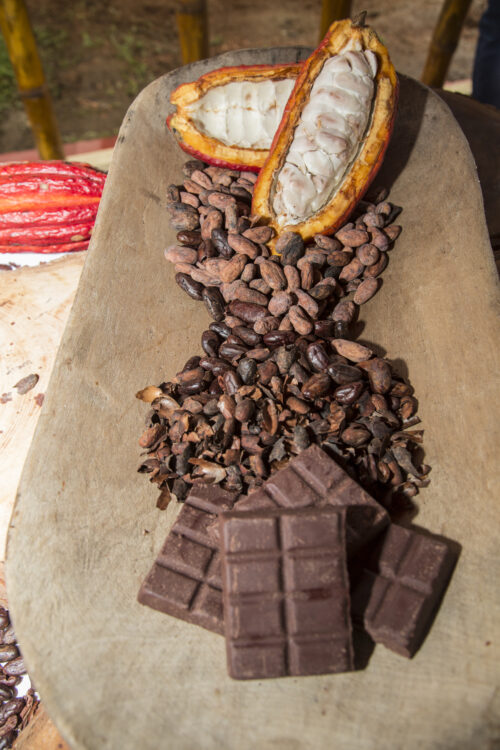
GTE helped ~700 farmers sustainably cultivate cacao, sugar cane, honeybees and acai through the NaturAmazonas program
~0
beehives
Contribute to pollination across ~24,000 hectares of native forests and cultivated plantations through GTE’s Sustainable Productive Landscapes program
Agroforestry Centres
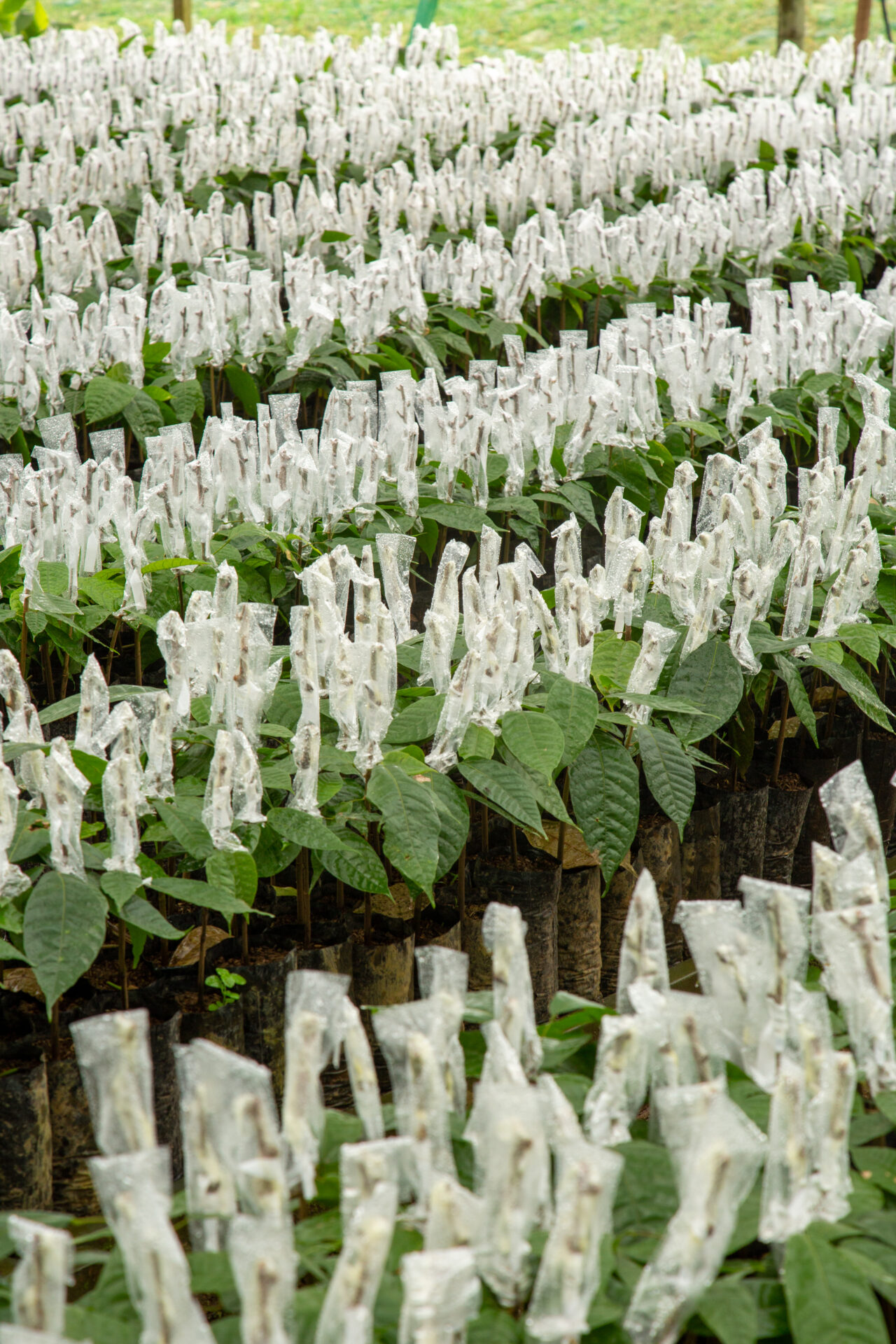
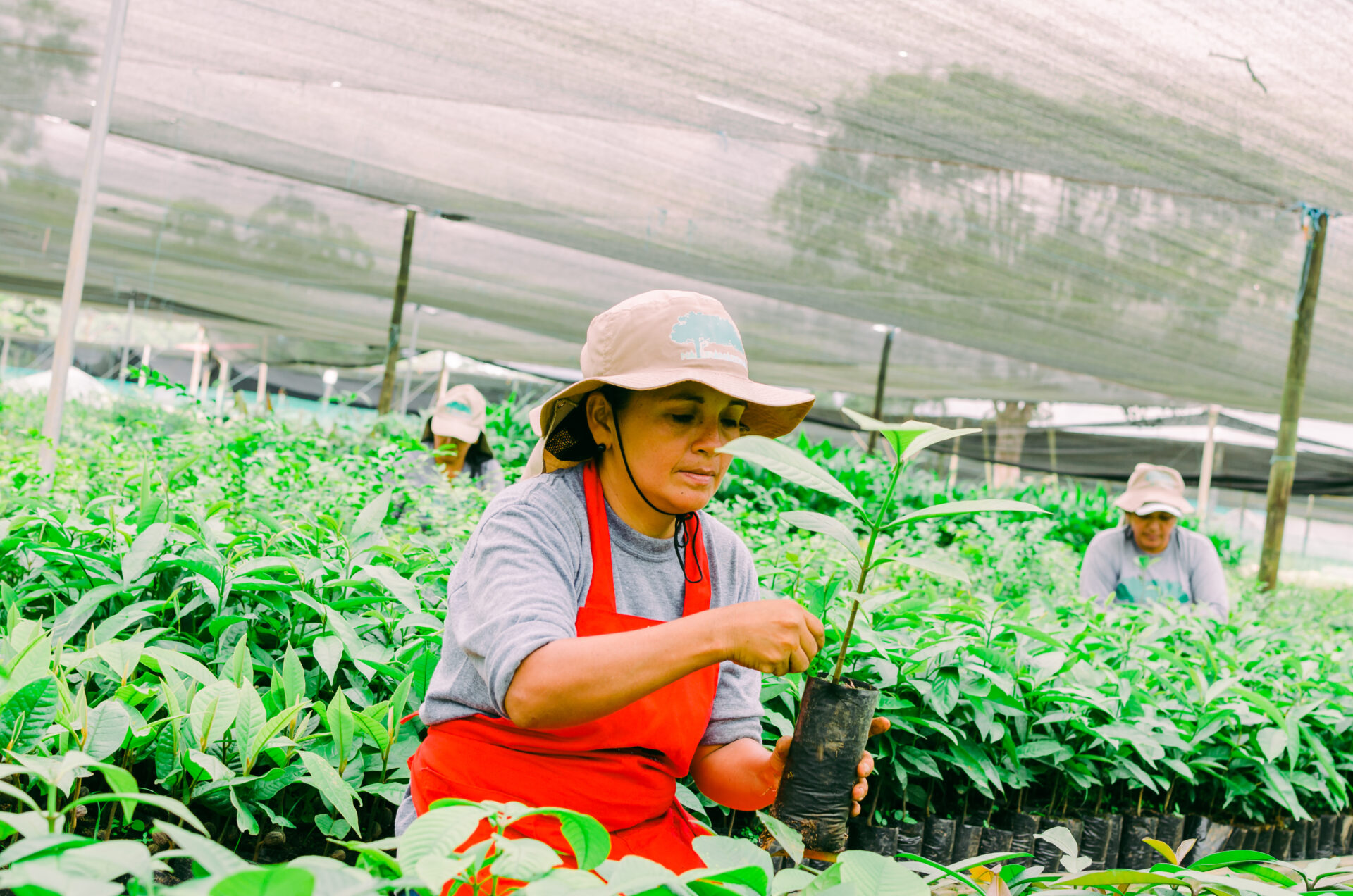
The Guayuyaco Agroforestry Centre in the town of Piamonte was converted and refurbished from an abandoned social site of a nearby Indigenous Inga community and is capable of growing over one million seedlings each year to support the reforestation initiative. Women from Miraflores and the surrounding areas carry out planting work at the Guayuyaco Agroforestry Centre. Cacao seedlings are spliced together to develop high quality and resilient varieties of the crop.
The Sacha Wasi Agroforestry Centre located in El Mesón, Villagarzón has a production capacity of one million seedlings per year, a total area of 8.06 hectares, and is designed with spaces to store materials, equipment and supplies. This agricultural-focused nursery includes specific areas for preparation and bagging of the substrate, irrigation, germination, management and sowing modules.
Knowledge Generation
Local residents were hired for expeditions deep into the Piedmont, collecting and categorizing over 10,000 specimens of native plants. They are referred to as Guardians of Botanical Knowledge and they build their knowledge about the native plants and contribute to the creation of important mapping of the botanical make-up of the forest in their areas. Previously unknown plant species have been discovered by the Guardians.
So far, 27,000 specimens have been collected and processed, 1,404 of species have been identified, two of which are new for Colombia and over 130 people have directly benefited from the project.
Botanical Health Development Through Beekeeping
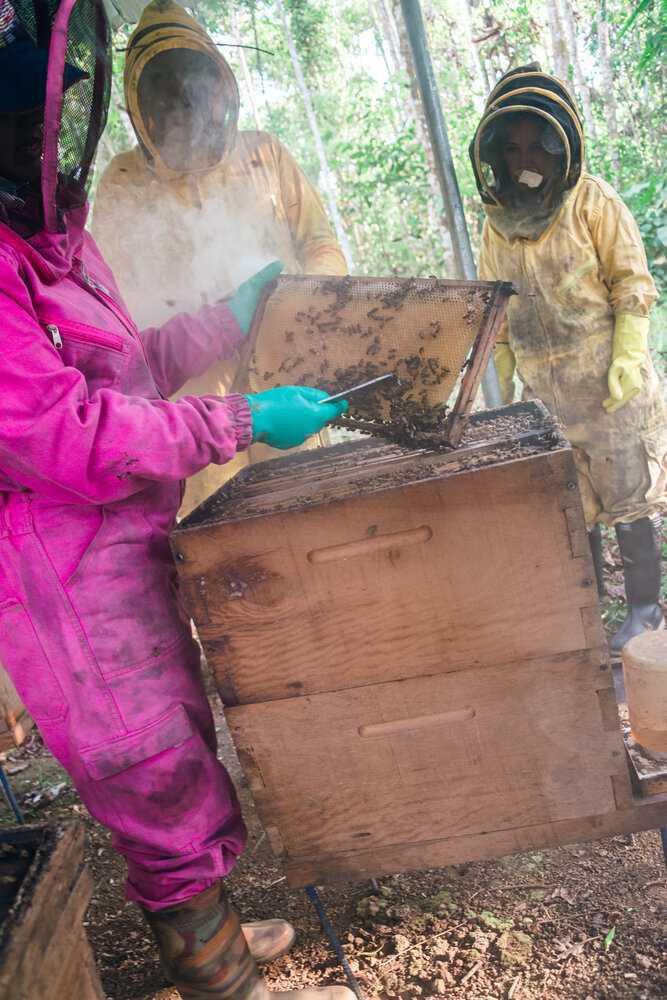
Thousands of bees swarm around unprotected beekeepers, who are not concerned because these are stingless bees, native to this part of the Amazon rainforest. It had previously been illegal in Colombia to cultivate stingless bees, but Gran Tierra worked with the Colombian authorities to change the regulations to allow local people to engage in this important line of sustainable production through the Company’s NaturAmazonas program. With 6,000 hives pollinating 24,000 hectares of plants and trees, supporting reforestation and contributing to botanical health, the bees are also producing honey for the farmers—a valuable, durable commodity with appeal in both local and national markets.
There is a high demand for stingless bee syrups, which have a number of different flavours, and keepers can also rent the bees out to local farmers for pollination, providing yet another stream of income. The association of beekeepers continues to grow, with 375 current members having been trained and certified.
“NaturAmazonas was the best opportunity we’ve had as a conservation organization to invest in this important part of Colombia. Having exceeded its original goals, this project has now opened the doors for other funders to amplify these efforts to the whole Colombian Amazon Region. This has been absolutely massive from a conservation point of view. The multi-year investment that GTE made was very important and provides a roadmap for how other industrial companies can contribute to reforestation. ”
Jose Vicente Rodriguez Mahecha
Director of Cientifico Senior De Conservation International Colombia