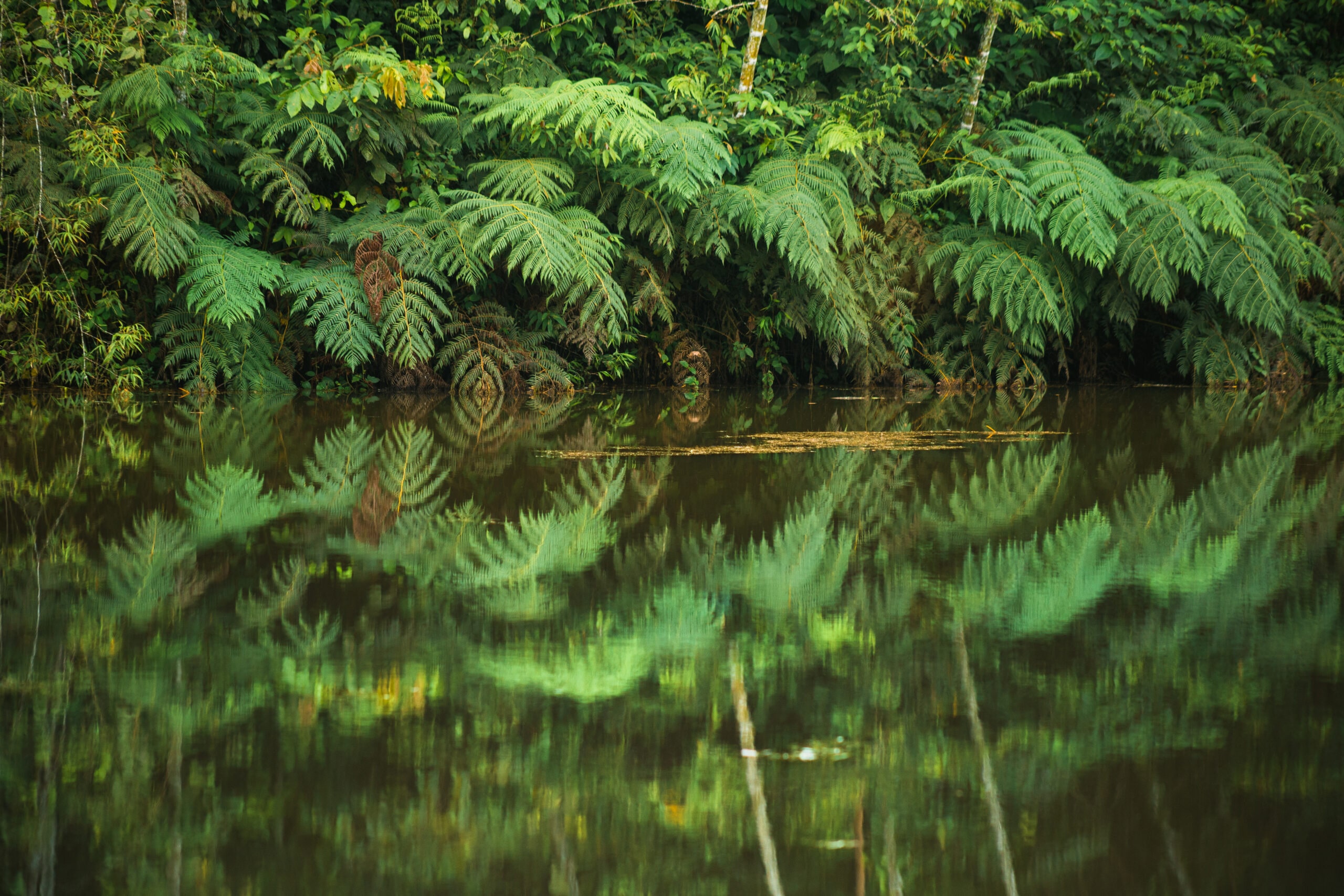
Protecting the environment is a key component of Gran Tierra’s development plans and operations. The Company attaches great importance to minimizing its impact on the environment and voluntarily supports environmental education, conservation and prevention programs.
South America
South America is a beautiful, biodiverse region with a natural heritage that must be protected. Gran Tierra understands that it is a guest in Colombia and Ecuador and that to be a responsible guest, it must meet or exceed both national and international standards in a way that is transparent. Protecting the environment is a key component of Gran Tierra’s development plans and operations.
Prior to entering any new areas, and in accordance with Colombian and Ecuadorian environmental regulations, Gran Tierra performs rigorous environmental impact assessments of its proposed projects. These assessments enable project planners to understand the environmental conditions of the area; determine the interactions between a project and the ecosystem; identify potential impacts; and propose appropriate environmental strategies and any needed mitigation, correction or compensation measures. In addition, during the environmental impact assessment process, GTE takes into account the participation of the local communities and authorities.
GTE’s environmental goals are two-fold: leveraging the Company’s resources to meaningfully address some of the most pressing environmental challenges facing South America, while minimizing the environmental impacts of its own operations.
In addition to meeting regulatory requirements, Gran Tierra will:
- Develop and implement an Environmental Management Plan (EMP) that addresses all aspects of environmental protection and sets out specific plans and measures to avoid or limit harmful impacts.
- Ensure that wastes are minimized and disposed of properly.
- Implement an effective spill prevention program and quickly and thoroughly clean up any spills that do occur.
- Track greenhouse gas emissions and take steps to reduce them where economically feasible.
- Ensure consistent and capable environmental expertise and oversight to educate and train employees and contractors to properly implement the EMP.
- Voluntarily support projects and events focused on the protection of environmental resources such as water sources, native wildlife, forests and waste management.
Canada
Gran Tierra Energy’s commitment to environmental stewardship extends across all areas of its operations, including Canada, where we recognize the need to deliver energy responsibly and minimize environmental impacts.
Canada’s regulatory environment is known for its stringent environmental standards, which align with our commitment to protect natural ecosystems while implementing industry best practices.
Gran Tierra evaluates and integrates climate-related risks into the Company’s risk management framework while actively seeking solutions to mitigate these challenges. The Company is focused on reducing greenhouse gas emissions, improving energy efficiency, and is fulfilling our legal requirements.
Gran Tierra recognizes our responsibility to be more than compliant—to be stewards of the environment in every jurisdiction where we operate. By applying rigorous environmental standards and best practices, Gran Tierra’s environmental commitments extend across all our assets.
In addition to meeting regulatory requirements in our Canadian operations, Gran Tierra will:
- Reduce methane emissions as part of a broader important strategy to reduce overall greenhouse gas emissions.
- Uphold protocols in place for spill prevention, with established procedures for swift action in the event of any spill to minimize environmental impacts.
- Participate in the Alberta Site Rehabilitation Program (SRP) to responsibly decommission inactive wells, pipelines, and facilities.
Transforming Residual Wastewater into Biogas
Gran Tierra Energy’s Conservation Footprint
Supporting Community Environmental Monitoring in Ecuador
GTE’s Environmental Management Plan
Waste Management
SWIPE FOR MORE
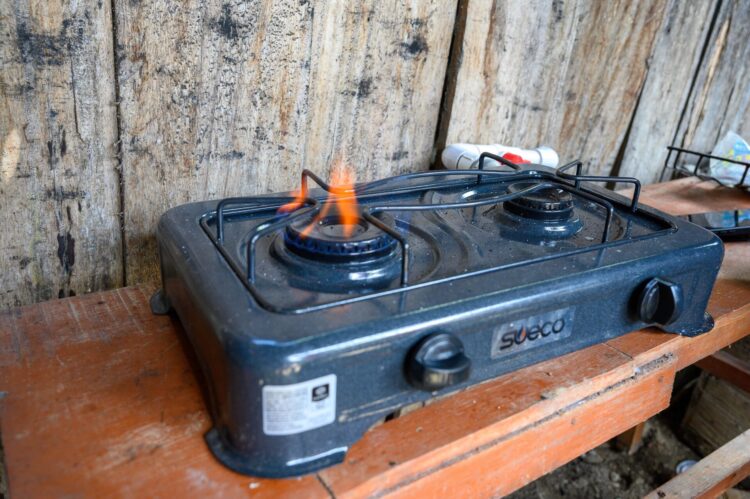
Transforming Residual Wastewater into Biogas
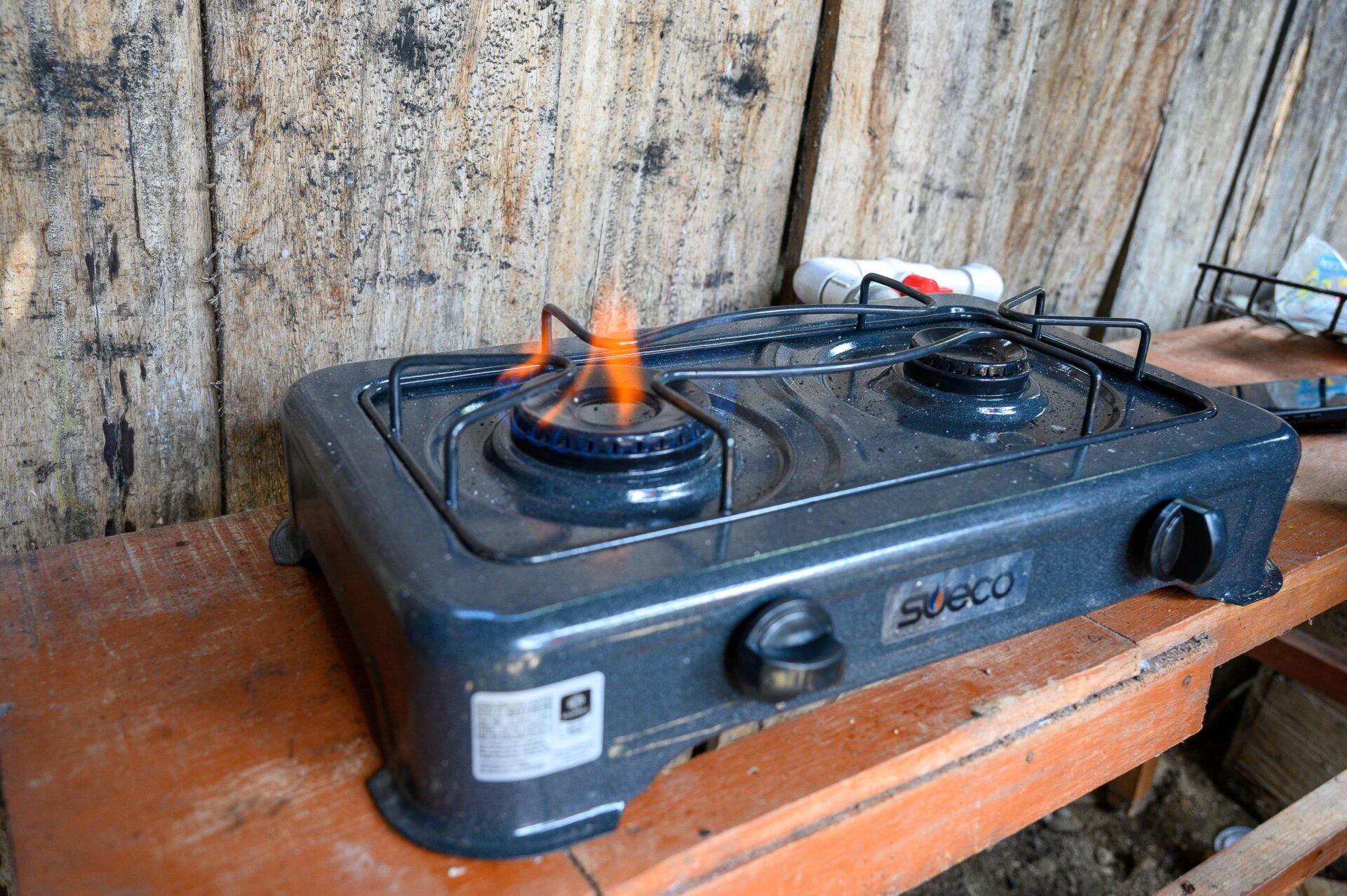
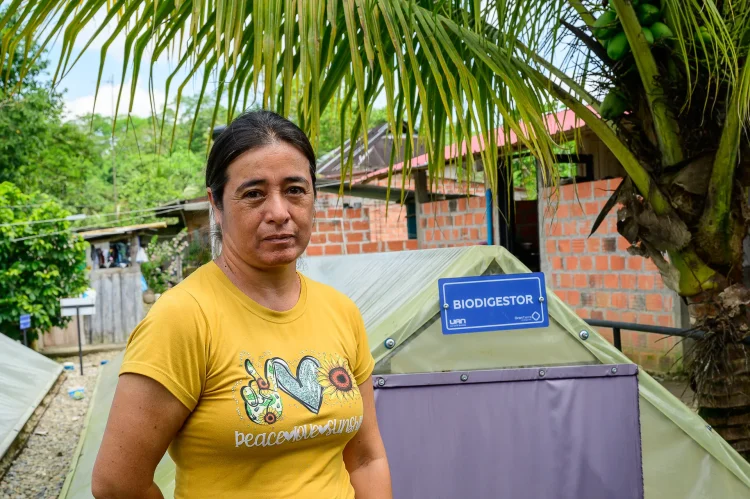
Within the Acordionero Forestry Centre, Gran Tierra Energy installed residential-scale anaerobic biodigesters. Biodigesters are systems that break down organic materials, such as food waste, agricultural residues, animal manure and wastewater, through a biological process called anaerobic digestion.
In many rural Colombian villages, untreated wastewater flows through open sewers, creating serious health and environmental risks—especially during the rainy season. At the same time, limited access to propane forces many households to rely on firewood, contributing to deforestation, air pollution, and causing significant adverse health effects.
To tackle these dual challenges, GTE partnered with Antonio Nariño University to install residential-scale anaerobic biodigesters in Putumayo villages near its operations. The systems, each of which can capture and treat organic household waste for up to five households, naturally produce biogas for cooking, lighting, and other uses in rural communities with scarce energy sources and fertilizer. Some families have been able to eliminate propane purchases entirely while others have reduced wood consumption, contributing to lower deforestation pressure and improved indoor air quality.
Nearly 1,000 residents currently benefit from the installed biodigesters, which require minimal maintenance and can be repaired using local materials. As additional communities have expressed interest, further expansion of this program is being assessed. This technology demonstrates how a thoughtful design can create lasting environmental, social, and economic impacts.
Gran Tierra Energy’s Conservation Footprint
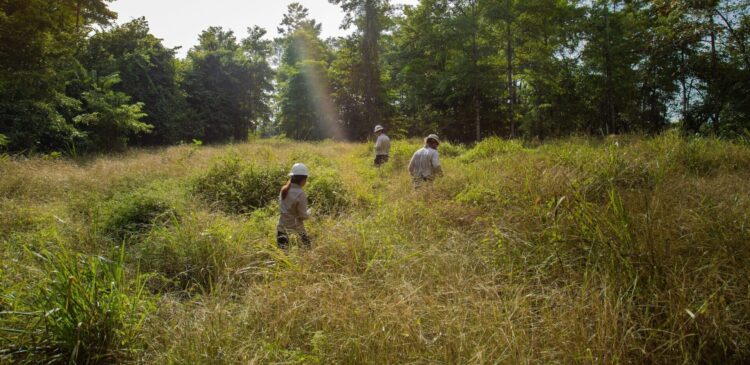
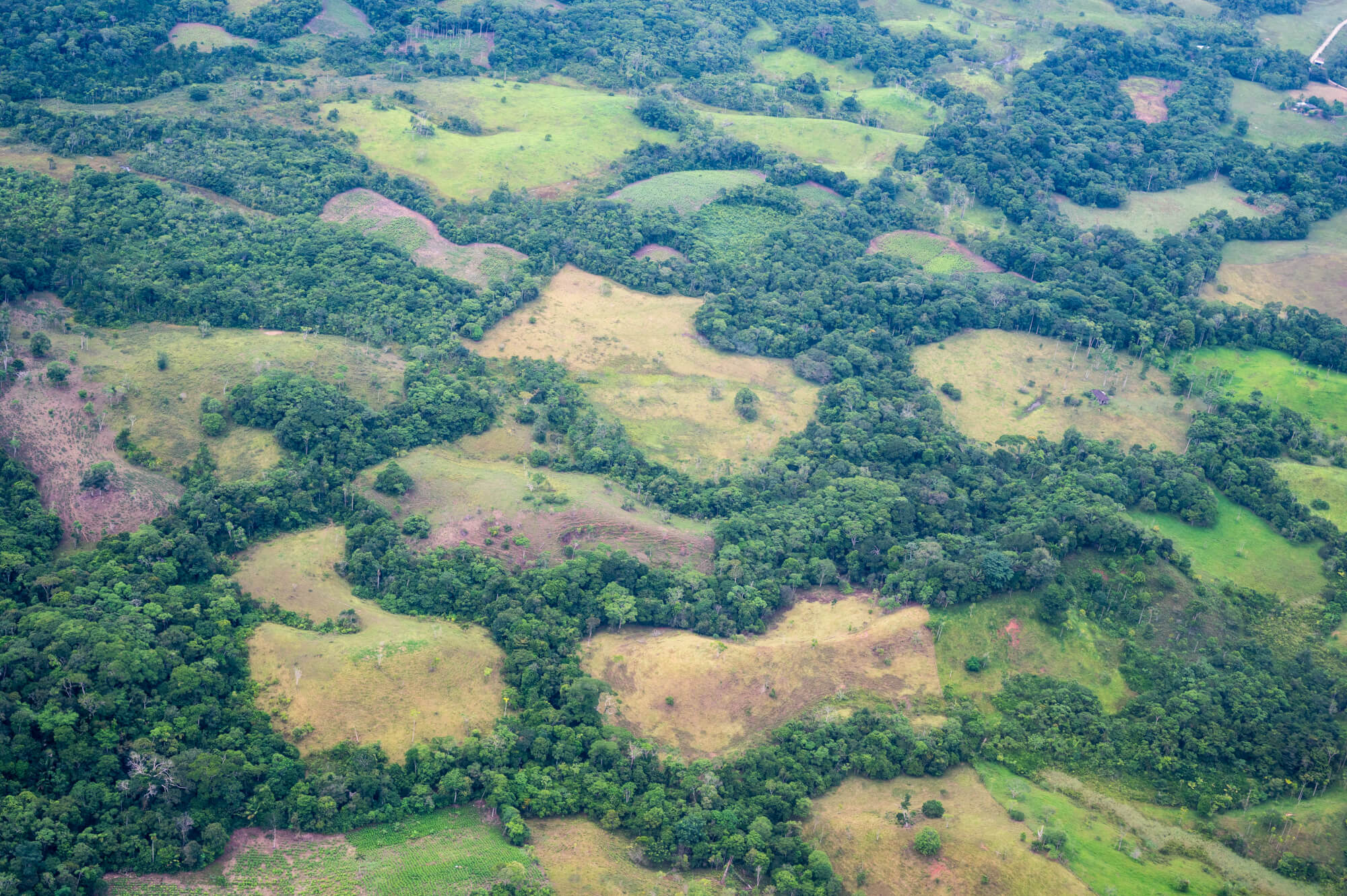
Gran Tierra Energy’s Environmental Management Plan (EMP) states that GTE will minimize the footprint of project activities throughout the operations and that full remediation and reclamation will follow the cessation of operations. The plan also mandates that the Company respect land use by local communities and that the Company’s daily work activities shall minimize impacts on local land uses.
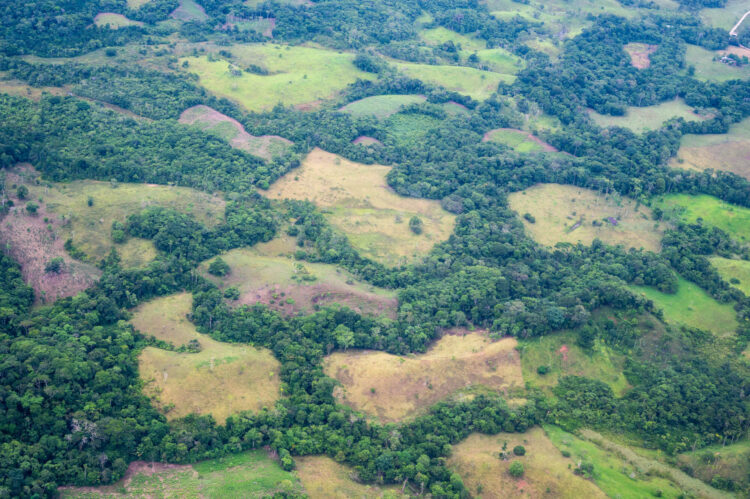
Up until the end of 2025, Gran Tierra’s conservation footprint in South America– including land reforested, conserved and preserved–totalled 5,645 hectares compared to our operations footprint of only 159 hectares.
Supporting Community Environmental Monitoring in Ecuador
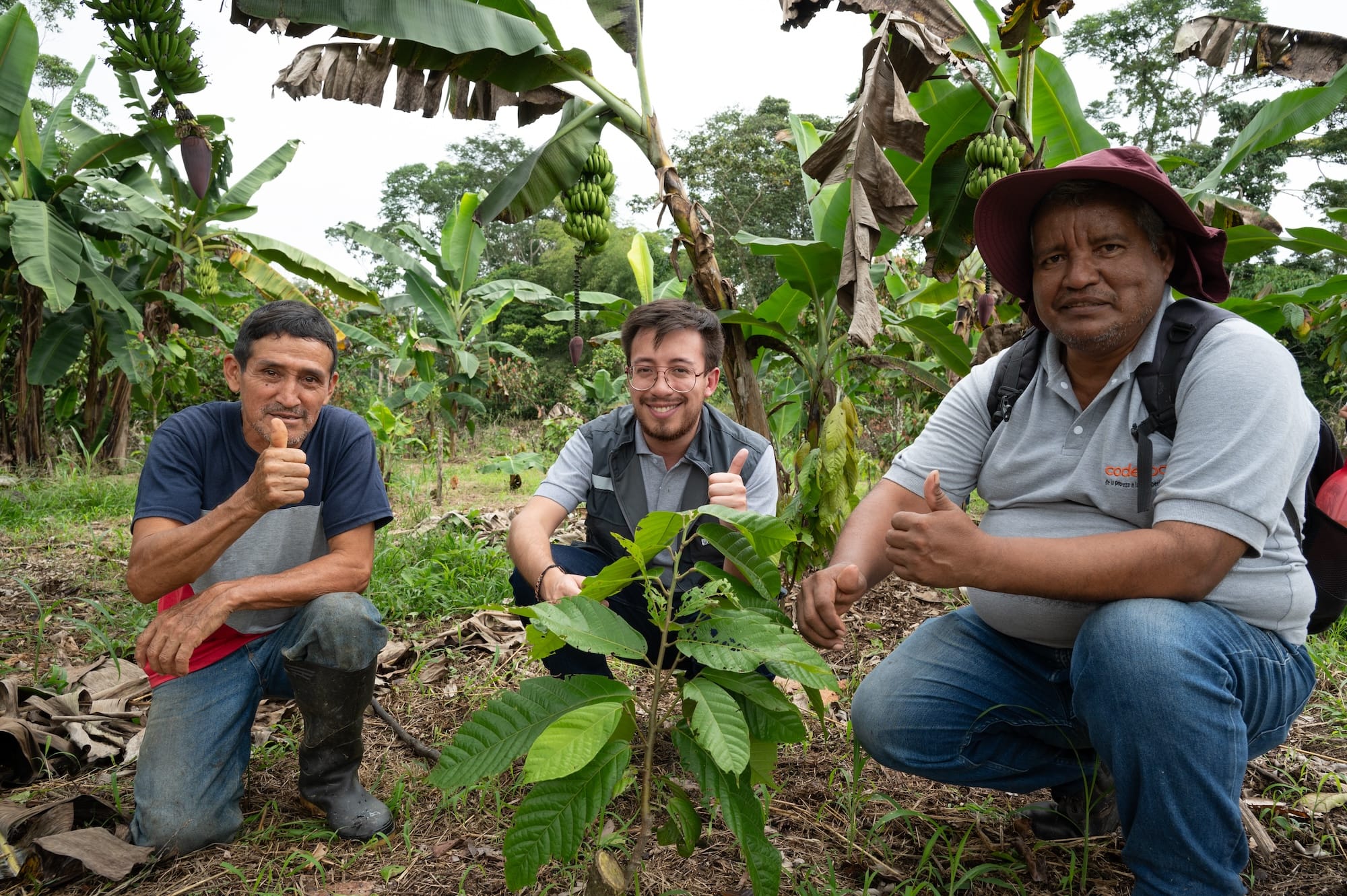
Gran Tierra Energy maintains transparency about its environmental practices by ensuring stakeholders are well-equipped to understand, analyze, and respond to the information they receive, some of which can include highly technical data.
Air Dispersion Modelling: An Informative Approach
Gran Tierra recently strengthened its commitment to environmental responsibility by partnering with independent third-party subject matter experts to conduct air dispersion modelling activities across GTE’s Charapa, Chanangue and Iguana blocks in Ecuador. This scientific tool is used to better predict and understand potential environmental impacts from industrial activity—an essential part of GTE’s approach to responsible operations. GTE then works alongside communities to share findings and information, to help them better understand technical data and the ways that GTE operates responsibly to mitigate any impacts.
Environmental Monitoring Training Sessions
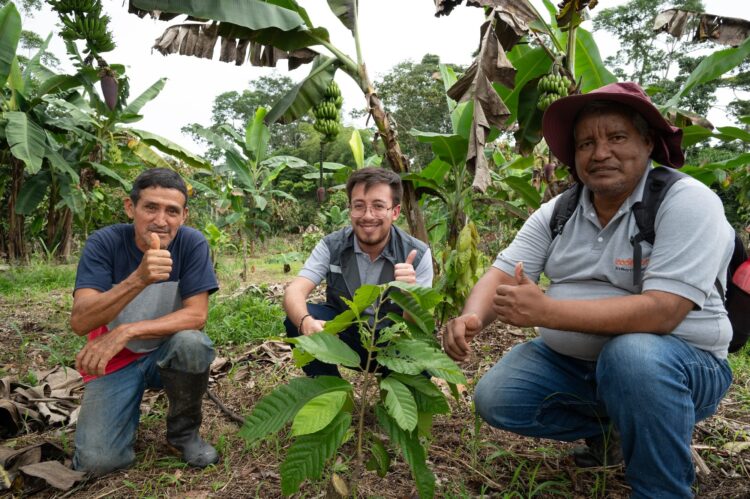
Gran Tierra also supports community participation in environmental oversight through environmental monitoring training campaigns, in 2025 two of these sessions were held.
These workshops provide participants with practical knowledge of environmental monitoring processes, environmental management reporting, air quality assessments, emissions monitoring and environmental noise management.
The first campaign, conducted in partnership with ENTRIX, an experienced environmental and engineering consulting firm, focused on community environmental monitoring and presented the findings of the Environmental Management Report previously prepared by ENTRIX.
Gran Tierra recognizes the importance of engaging communities in discussions around these reports to ensure a clear understanding of the Company’s environmental management strategies. The two-day training session was attended by 35 participants from the 20 de Septiembre, Salinas, and 5 de Marzo communities.
A second two-day theoretical and practical workshop focused on emissions, air quality, and environmental noise monitoring. The workshop provided both classroom instruction and hands-on learning opportunities to help participants better understand environmental monitoring methods and their application in the field. A total of 33 community members from Santa Marianita, Patria Nueva, San Francisco, Los Girasoles, Unión Balzareña, 5 Ases, and 20 de Septiembre participated.
These campaigns help strengthen local understanding of environmental monitoring programs and encourage greater community involvement in environmental stewardship and transparency.
Community Water Monitoring
Another way Gran Tierra supports community environmental monitoring is through independent water testing. Gran Tierra will fund independent water studies, initiated by local communities, as long as the testing is completed by Ecuadorian-certified laboratories. GTE will then take its own samples and compare them with the verified community samples and share the results at a community meeting.

GTE's Environmental Management Plan
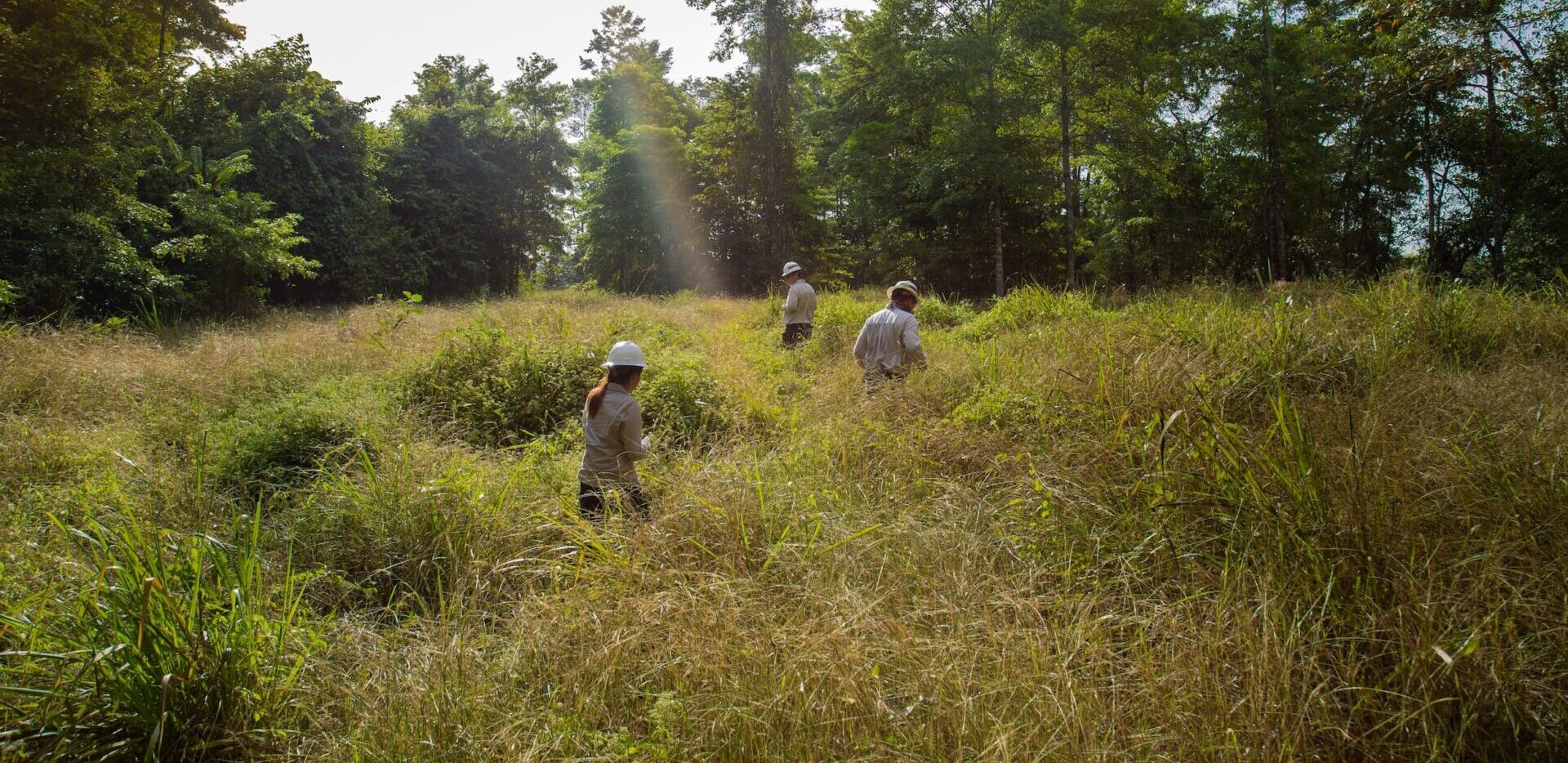
Gran Tierra Energy’s companywide Environmental Management Plan (EMP) addresses how it handles environmental issues arising from its exploration and development projects and other operations.
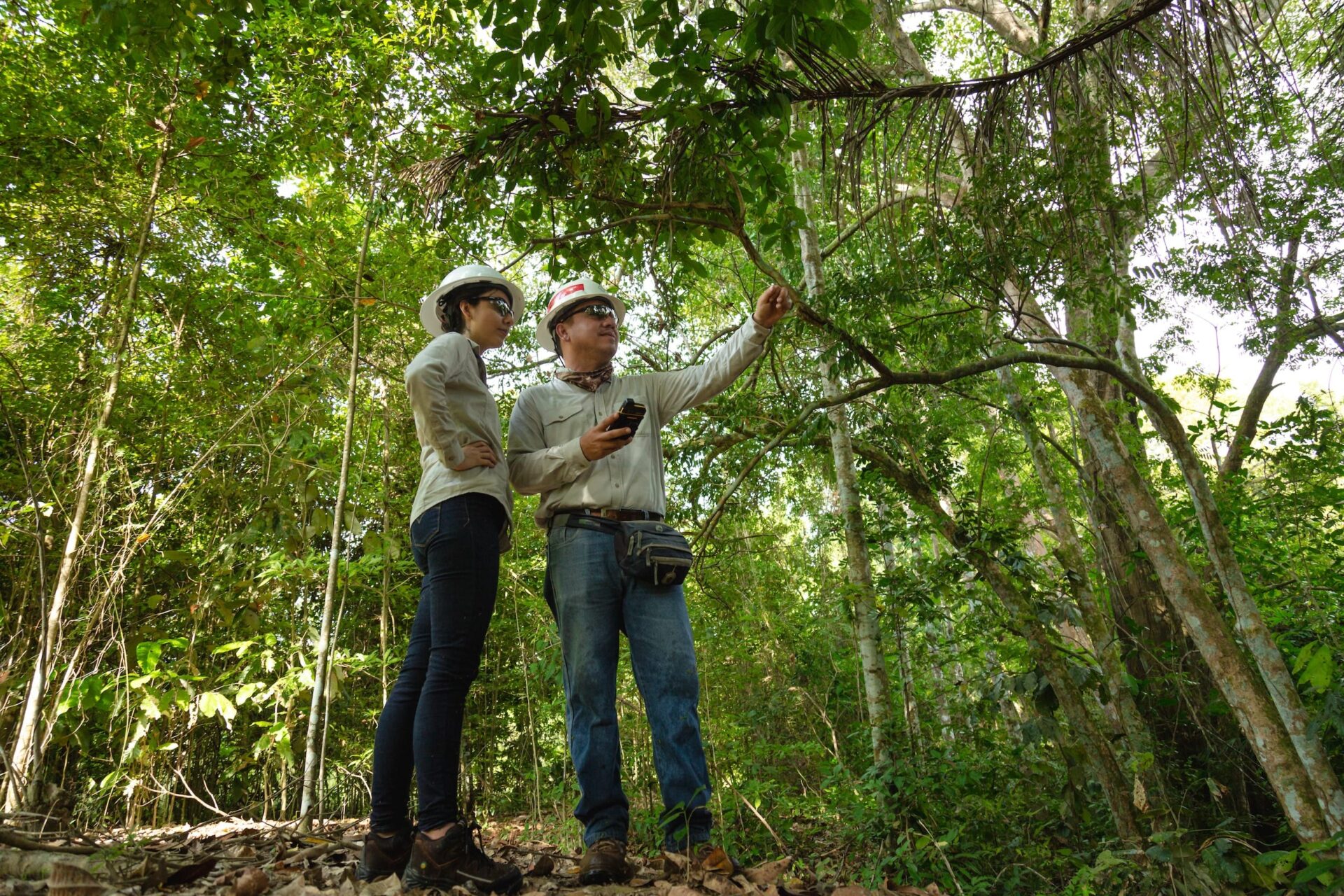
The Plan is based on the environmental performance standards of the World Bank’s International Finance Corporation and reflects best industry practices. It will be amended and updated periodically. In any instances where local laws or regulations differ from the standards contained in Gran Tierra’s EMP, the Company will adhere to the more stringent requirement.
The EMP addresses a range of topics including:
- Defining a code of conduct for all workers
- Conserving biodiversity
- Minimizing construction impacts, flaring and water use
- Controlling erosion
- Optimizing road and pipeline routing and construction
- Managing solid and liquid waste including hazardous substances
- Protecting and preserving cultural and archaeological resources
Waste Management
Gran Tierra’s Waste Management Plan (WMP) recognizes the Company’s responsibility to manage wastes properly. Waste is handled independently, according to the type (contaminated, organic, unusable or recyclable), through a process of separation at source.
One of the goals of internal management is always to reduce at the source the different waste generated by the operation and ensure as far as possible that the greatest amount of waste generated be reusable. One example of how we reuse waste is:
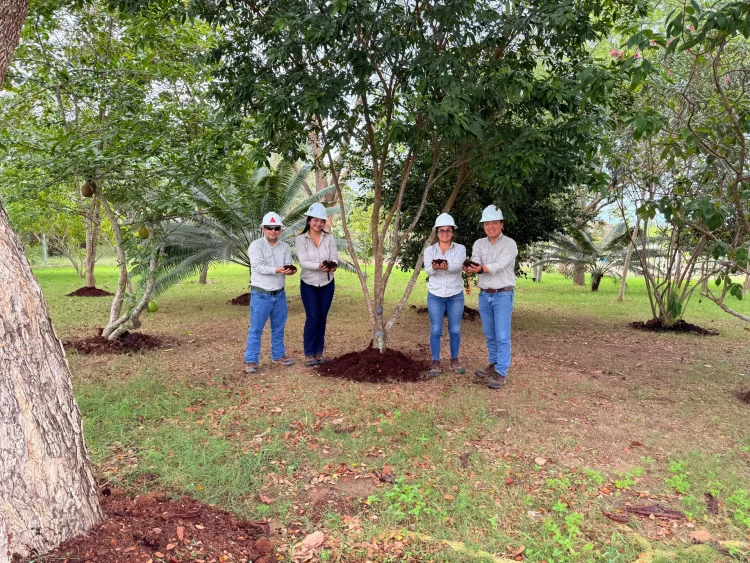
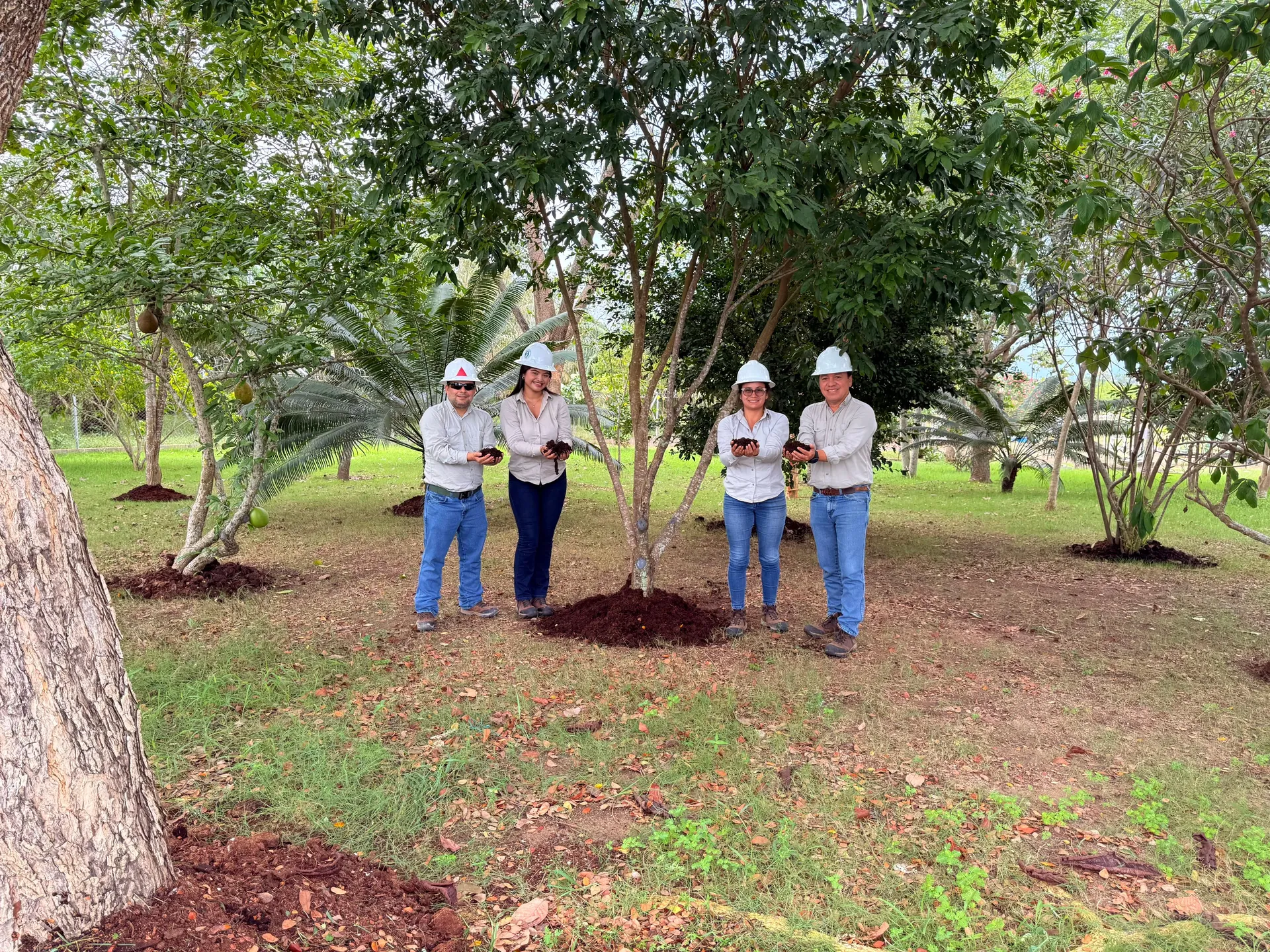
- At GTE’s Acordionero and Costayaco oil fields organic waste is composted. The compost is then used to fertilize gardens and to stabilize slope areas occupied by the project.
- In 2025, 1,425.25 kilograms of organic waste was treated.
- In 2025, 688 kilograms of organic compost was applied to green areas surrounding GTE’s Acordionero camp.
For waste that cannot be reused or recycled, the Company’s overall approach is to utilize capable third-party facilities. GTE is taking steps to lower the volume of wastes to the extent possible and to recycle or reuse waste in cooperation with local communities when possible.
GTE has established a procedure for selecting waste management companies with the best environmental performance records in the region. This process requires a legal review of the Company, internal and external audits and a review of their relationships with the environmental authorities and with the neighbors of their facilities.
Image Gallery.
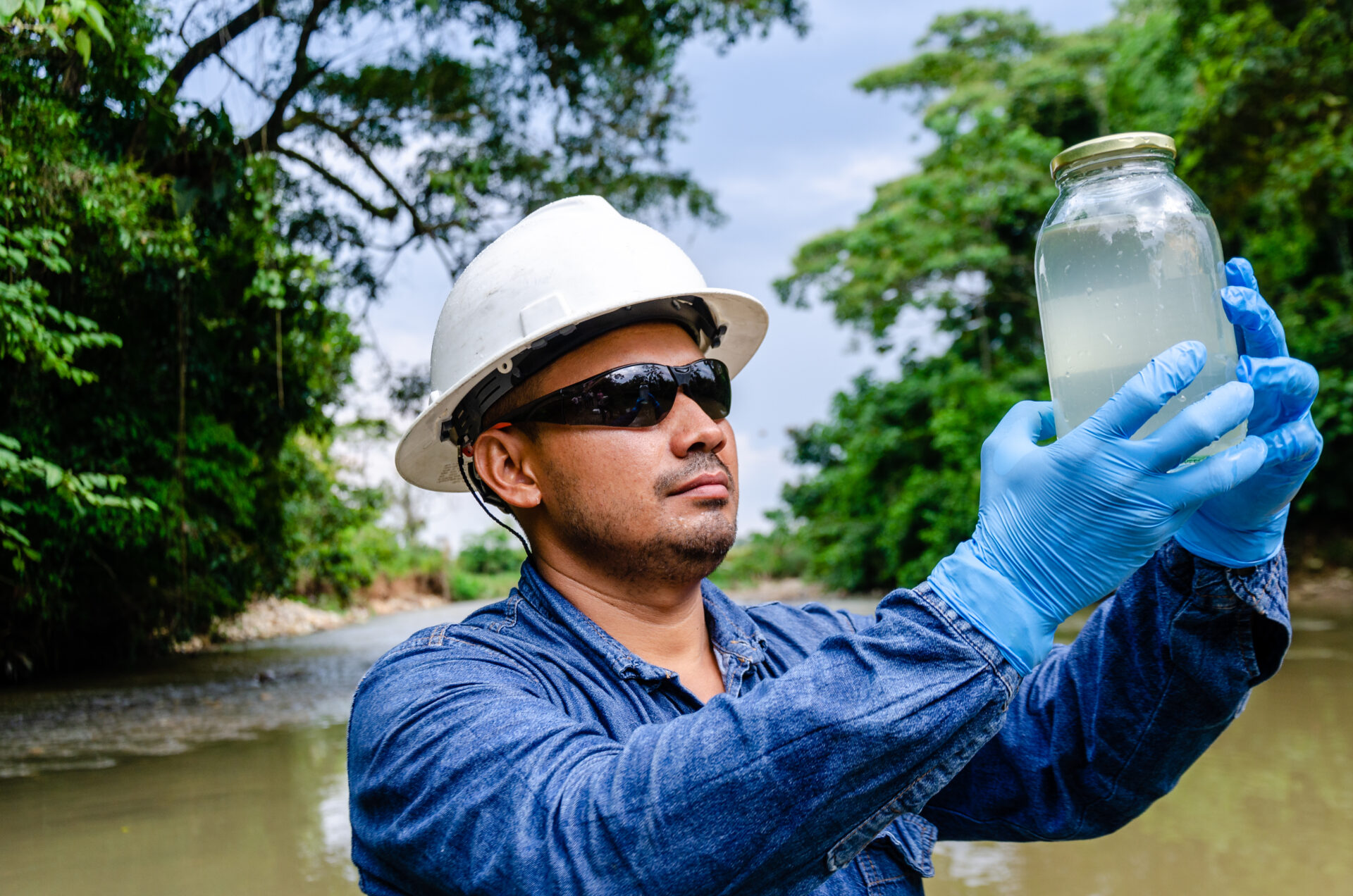


Image Gallery.