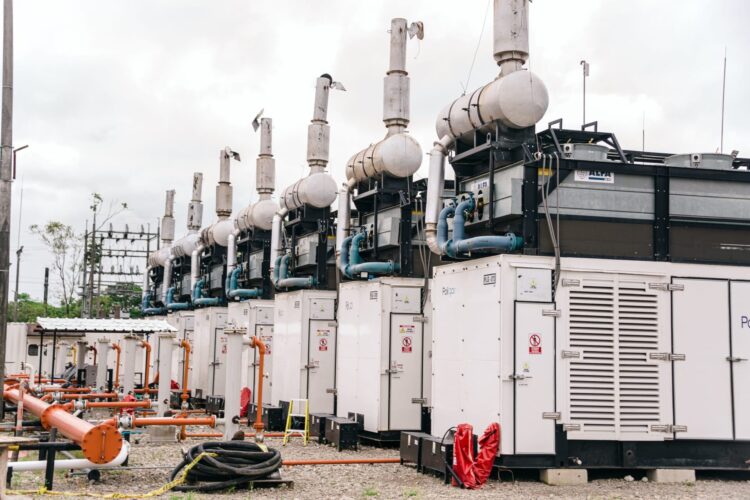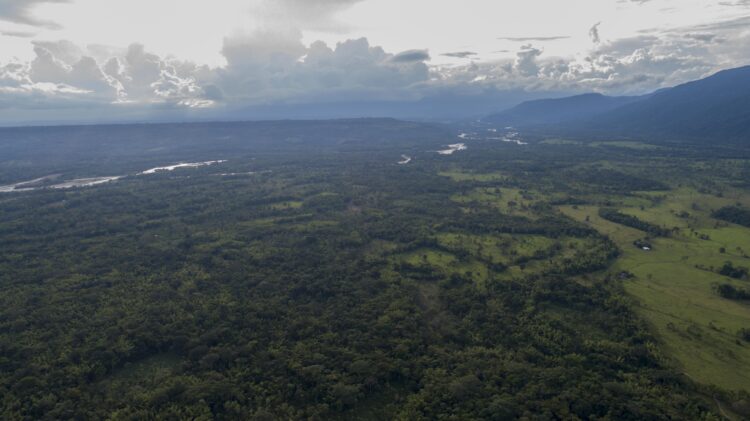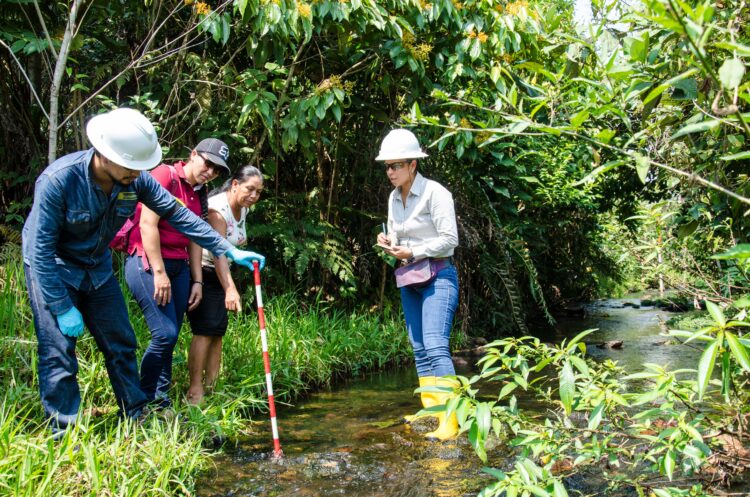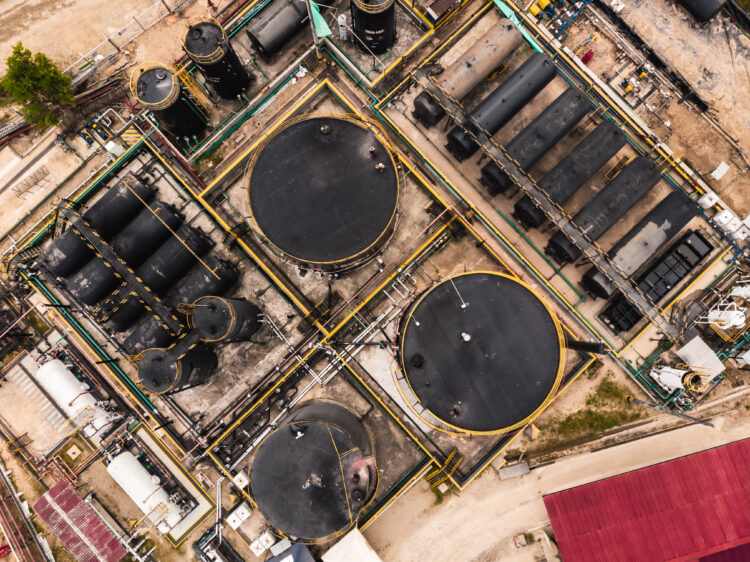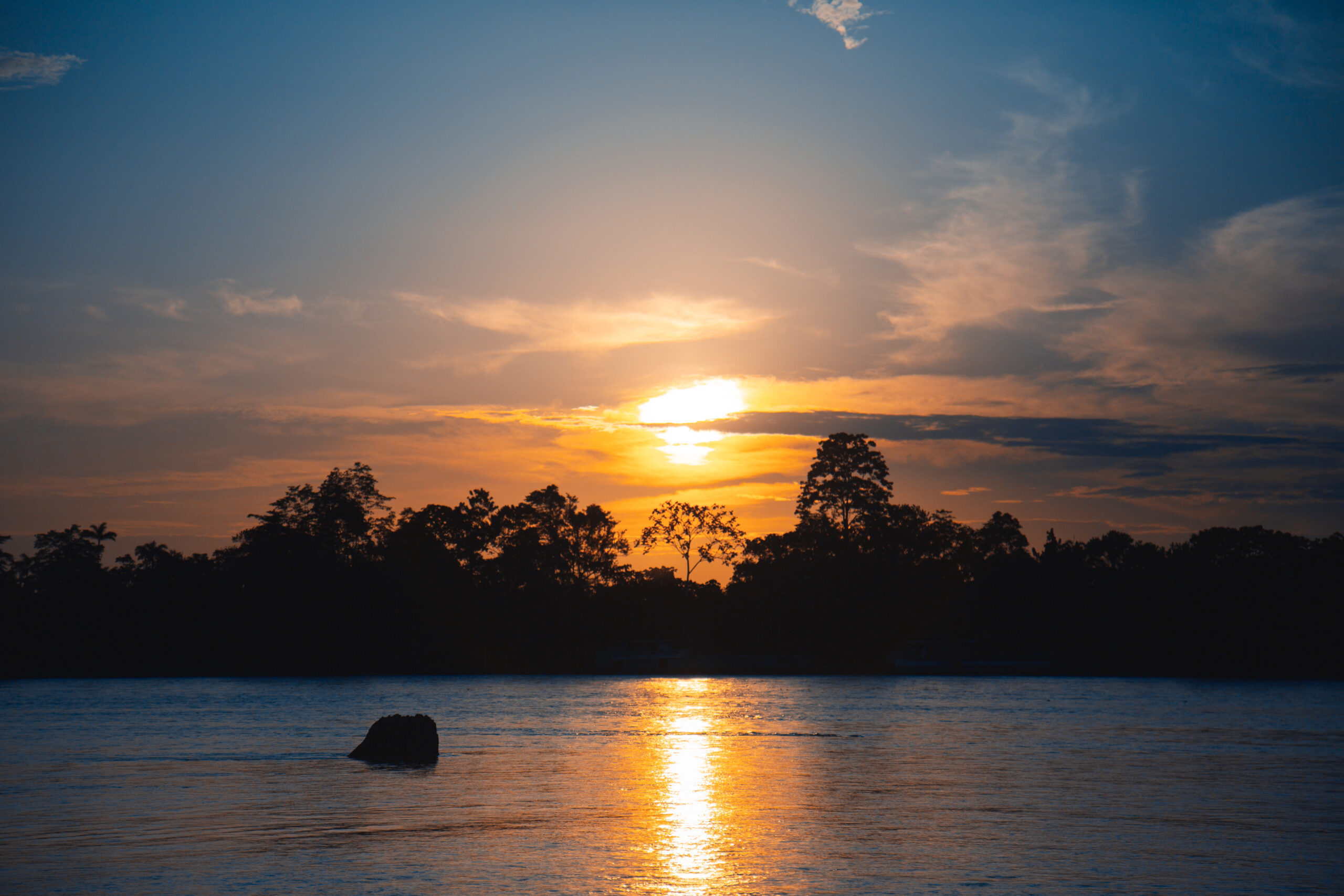
Along with voluntary investments that conserve and protect the integrity of water sources near its operations, Gran Tierra continues to reduce freshwater consumption across the lifecycle of its operations. A comprehensive roadmap has been instituted to reduce the use of surface water where possible, with the goal of achieving zero surface water usage in the coming years.
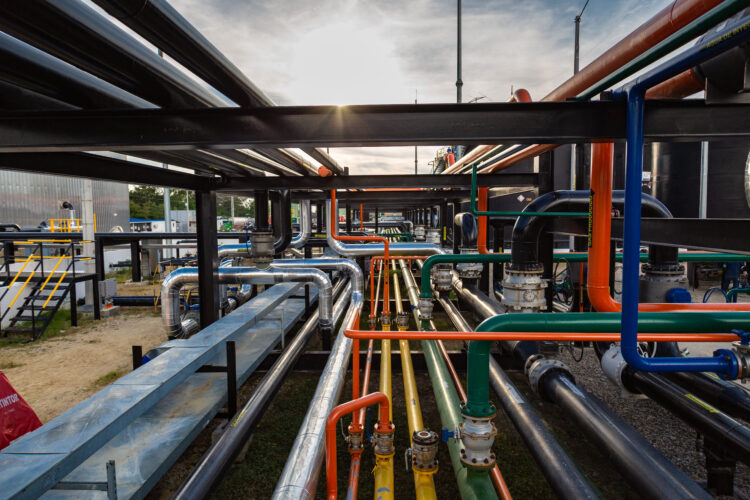
The Company manages its water use following a risk-based approach to ensure it is not placing stress on local surface water resources. Fresh water is provided for domestic use at its camps and utilized for business operations, including well maintenance and drilling activities in some locations. The water that is produced alongside crude from the deep underground wells is recycled and reinjected into the reservoirs to maintain pressure in many of the Company’s fields. In 2025, 95% of water used for pressure maintenance in Colombia came from reinjected produced water or on-site dedicated sources of non-potable subterranean water.
Gran Tierra also records and reports water impacts and usage in alignment with international ESG reporting frameworks, including the International Petroleum Industry Environmental Conservation Association (IPIECA), the Sustainability Accounting Standards Board (SASB) and the Global Reporting Initiative (GRI). According to The World Resources Institute’s (WRI) Water Risk Atlas tool – Aqueduct, all of GTE’s water withdrawals are located in areas with low water stress and low to medium overall water risk.
Furthermore, in 2024, Gran Tierra began measuring its water footprint in line with ISO 14046 and Water Footprint Network standards in Colombia. Water risk screening is conducted using the World Wildlife Fund’s Water Risk Filter methodology–assessing physical, regulatory, and reputational risks across operating regions.
Over the last eight years, GTE has kept its average freshwater withdrawal intensity below 0.07 m3/boe and its average surface water withdrawal intensity below 0.06 m3/boe.
Utilizing Non-Potable Water Resources
Enhanced oil recovery methods, such as waterflooding, return the water produced alongside hydrocarbons into the same subsurface zone it originated from to maintain pressure and increase recovery from reservoirs. The Company leverages technologies to enable the use of highly saline, non-potable water from subsurface formations, thousands of feet deep for operations, instead of drawing from surface and freshwater sources.
Throughout 2024, the Company worked with Colombian authorities to help inform important regulatory updates permitting the use of non-potable subsurface water from non-oil-bearing zones for enhanced recovery. These reforms came into law in 2025. This shift reduces reliance on rivers and surface bodies of water and uses instead highly saline, non-potable water from deep subsurface formations. This approach to enhanced recovery not only reduces reliance on surface water but it also lowers greenhouse gas emissions by minimizing the need to transport water via tanker trucks. Fewer transport operations further benefit nearby communities by decreasing traffic congestion and reducing road dust.
Image Gallery

Image Gallery