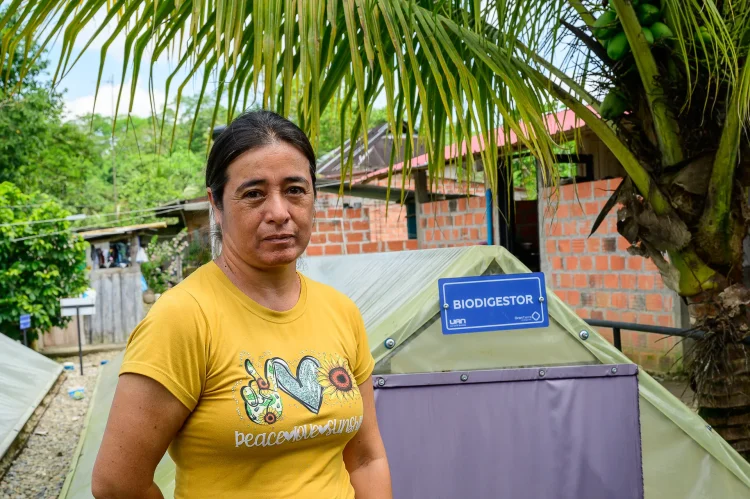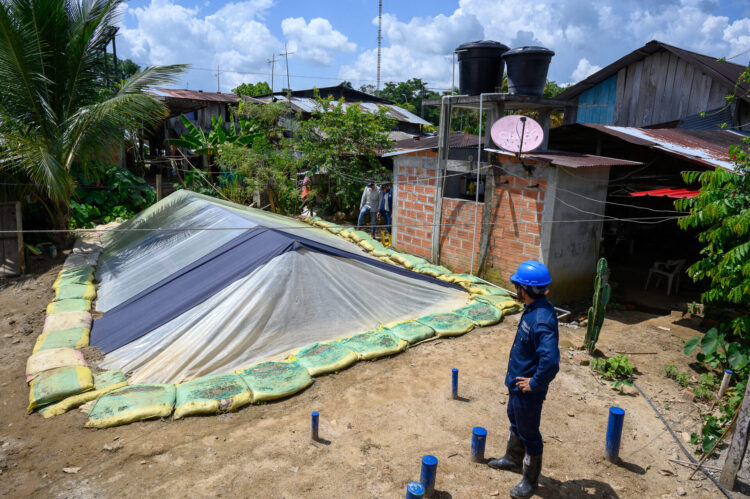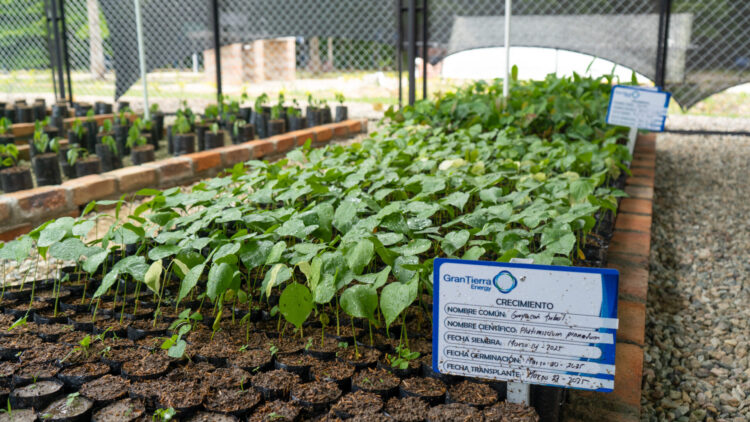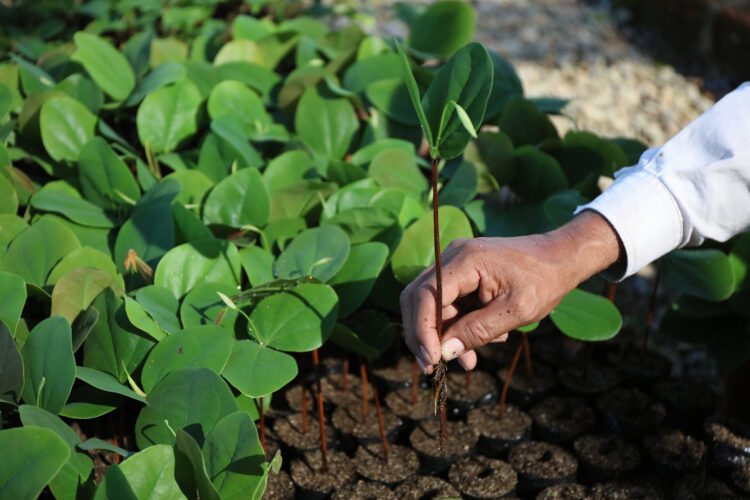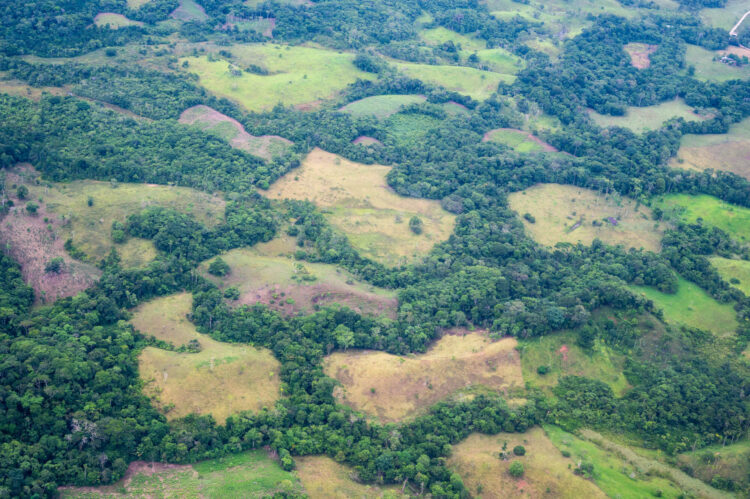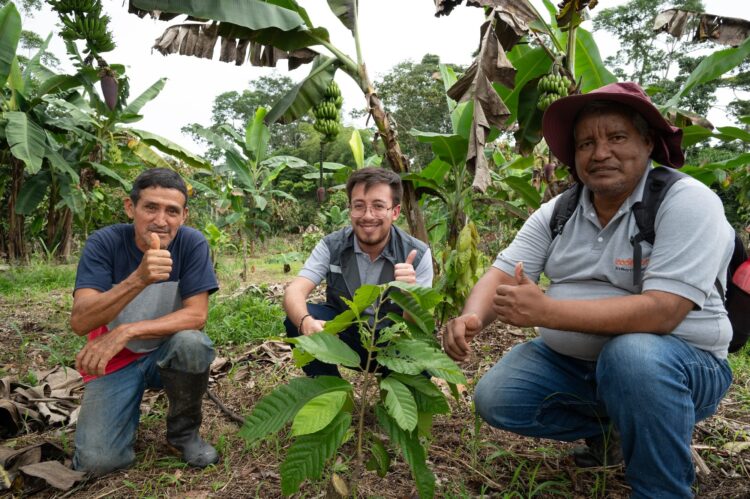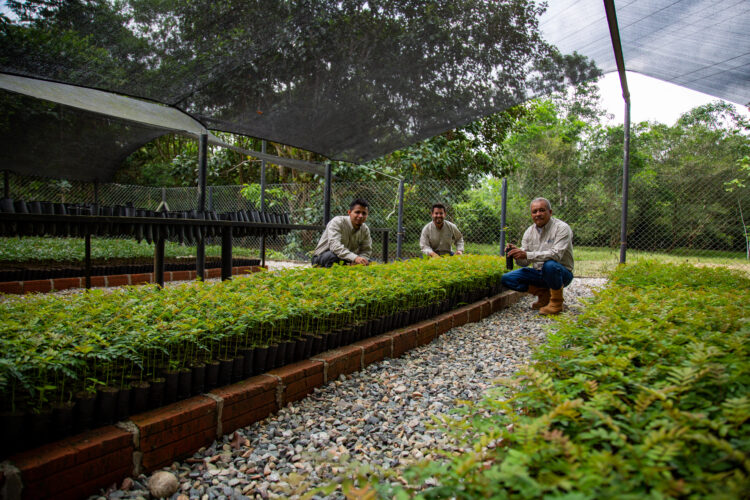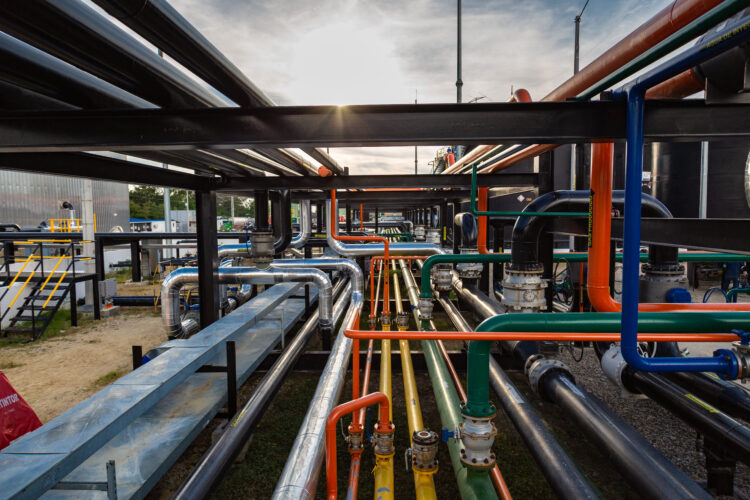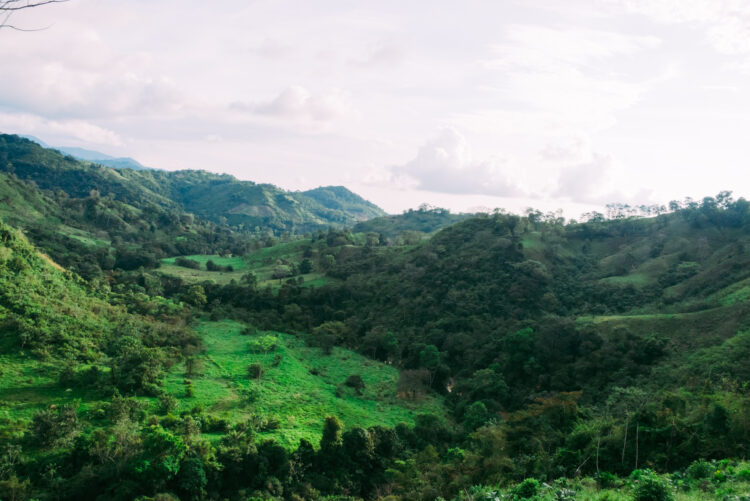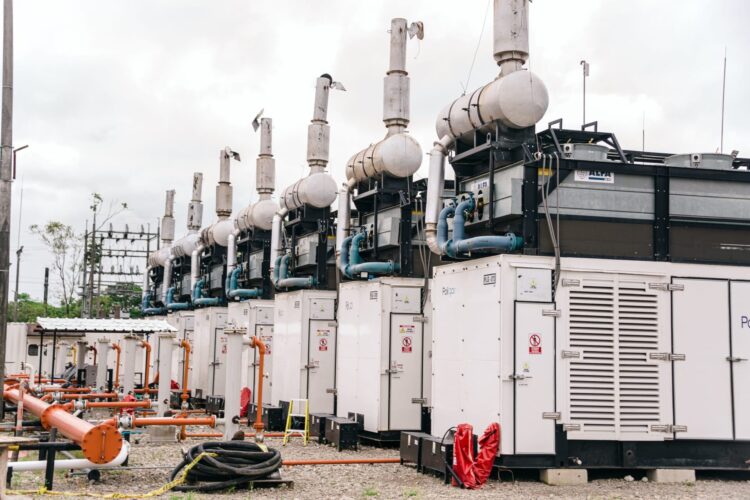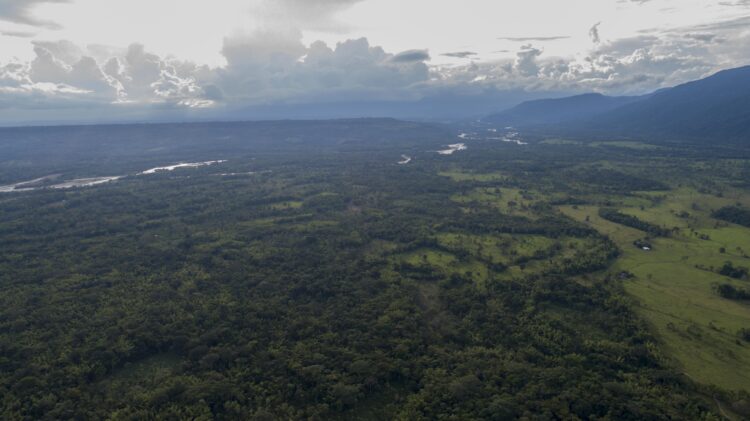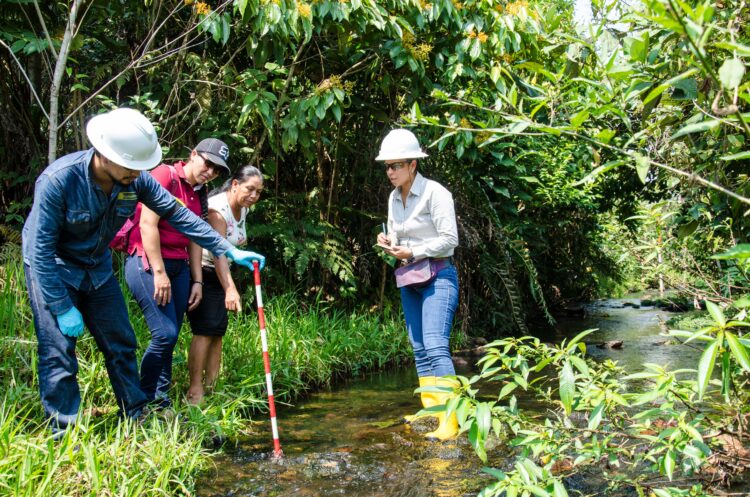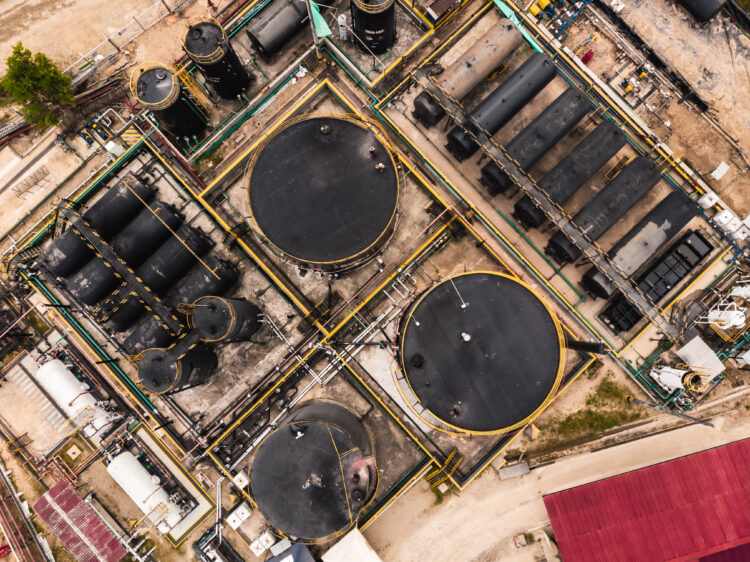
Within the Acordionero Forestry Centre, Gran Tierra Energy installed residential-scale anaerobic biodigesters. Biodigesters are systems that break down organic materials, such as food waste, agricultural residues, animal manure and wastewater, through a biological process called anaerobic digestion.
In many rural Colombian villages, untreated wastewater flows through open sewers, creating serious health and environmental risks—especially during the rainy season. At the same time, limited access to propane forces many households to rely on firewood, contributing to deforestation, air pollution, and causing significant adverse health effects.
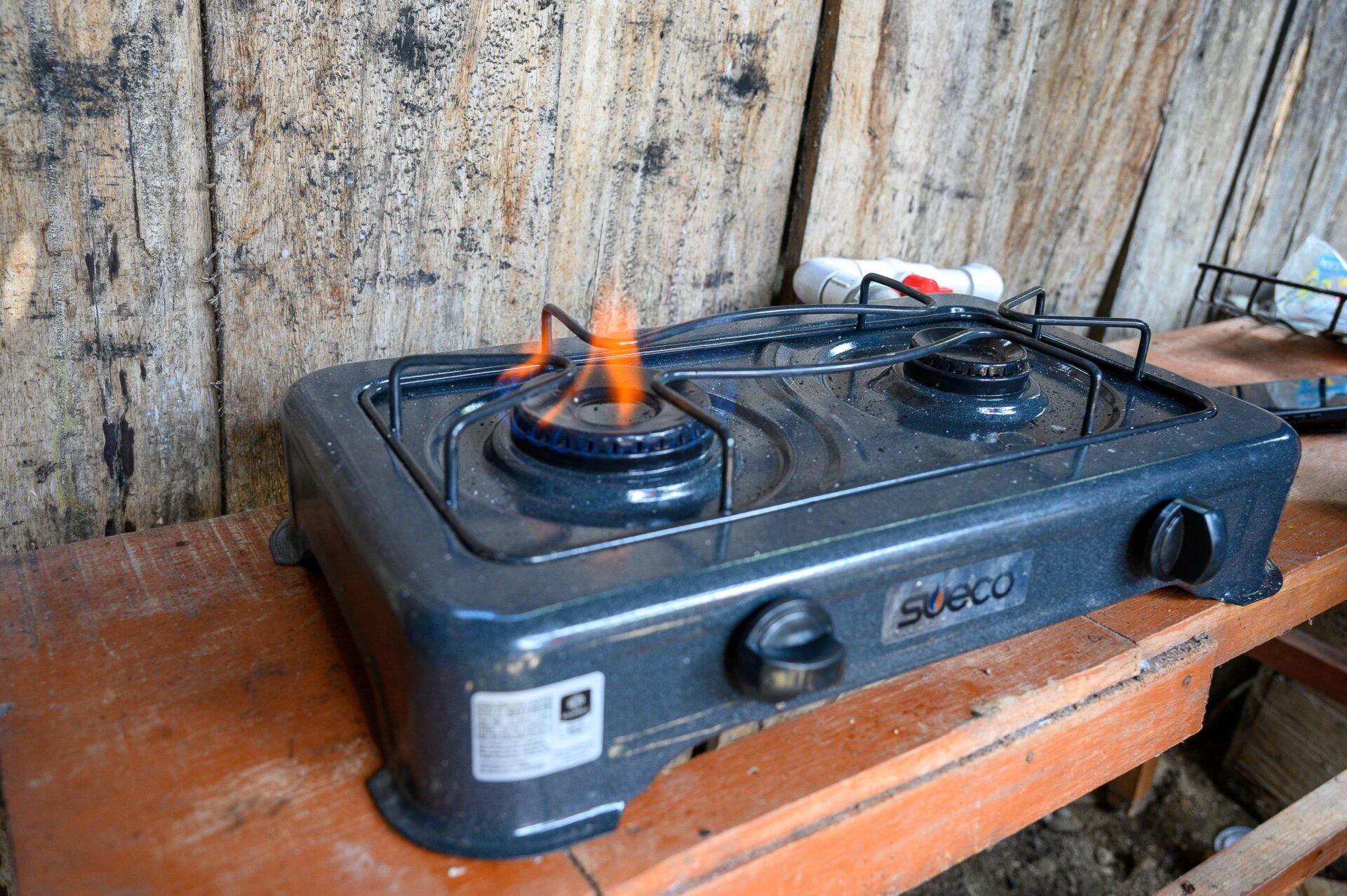
To tackle these dual challenges, GTE partnered with Antonio Nariño University to install residential-scale anaerobic biodigesters in Putumayo villages near its operations. The systems, each of which can capture and treat organic household waste for up to five households, naturally produce biogas for cooking, lighting, and other uses in rural communities with scarce energy sources and fertilizer. Some families have been able to eliminate propane purchases entirely while others have reduced wood consumption, contributing to lower deforestation pressure and improved indoor air quality.
Nearly 1,000 residents currently benefit from the installed biodigesters, which require minimal maintenance and can be repaired using local materials. As additional communities have expressed interest, further expansion of this program is being assessed. This technology demonstrates how a thoughtful design can create lasting environmental, social, and economic impacts.