
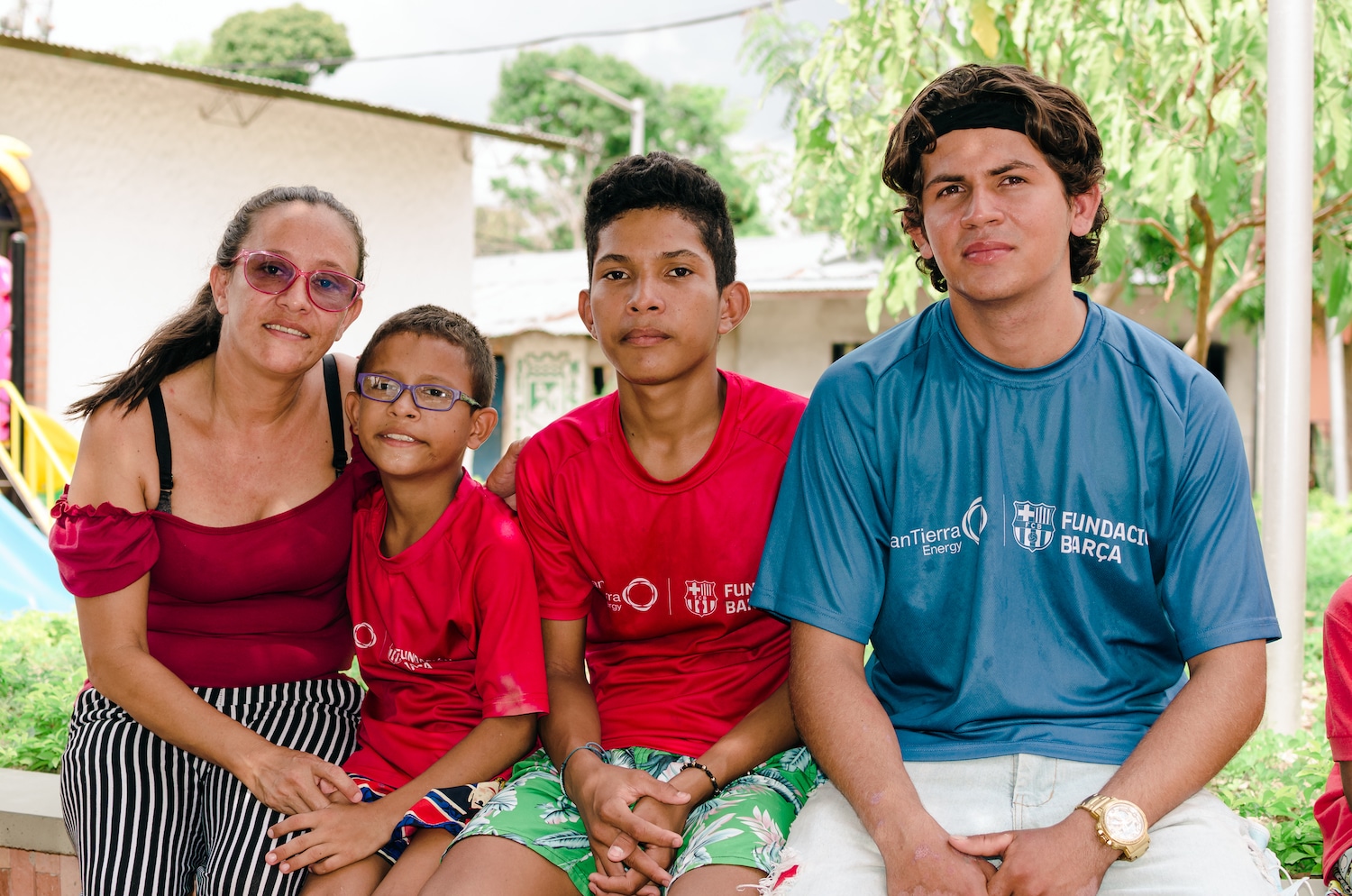
Gran Tierra Energy is committed to respect the rights of employees, contractors, suppliers, and communities within its area of influence in the development of all of its operations and activities.
Although the primary responsibility for the protection of human rights lies with government, GTE promotes and respects these rights through joint actions between society, business and institutions. Through a Human Rights Risk Assessment process, we evaluate how our activities may impact communities. We engage with local communities to understand their human rights concerns and address incidents through dialogue and remedial action, if appropriate. We have established a culturally appropriate, accessible, responsive and transparent grievance mechanism that enables us to identify and address human rights incidents. GTE also has an open-door policy for dialogue with communities near its operations and a well-developed process for resolving any questions or concerns.
Gran Tierra Energy’s Human Rights Policy was developed with a full commitment to respect the internationally recognized human rights incorporated in the International Bill of Human Rights and the International Labour Organization Conventions (“ILO”), including the fundamental rights principles established in the ILO Declaration on fundamental principles and rights at work. Also, with the commitment to apply relevant international standards including:
- The United Nations (“UN”) Guiding Principles on Business and Human Rights (UNGPs)
- The UN Voluntary Principles for Security and Human Rights
- The Organization for Economic Cooperation and Development (OECD) Guidelines for Multinational Enterprises
- The OECD Due Diligence Guidance for Responsible Business Conduct
- The UN 2030 Agenda for Sustainable Development and Gran Tierra´s Code of Business Conduct & Ethics
| What are the Voluntary Principles on Security and Human Rights? | The Voluntary Principles on Security and Human Rights is a multi-stakeholder initiative with government, civil society and company participants. It promotes implementation of a set of principles that guide extractive companies on how to provide security for their operations in a manner that respects human rights. |
|---|---|
| What are the Guiding Principles of the United Nations on Business and Human Rights? | The UN Guiding Principles on Business and Human Rights are the authoritative global standard on business and human rights, unanimously endorsed by the UN Human Rights Council. The 31 principles set expectations of states and companies about how to prevent and address negative impacts on human rights by business. |
GTE continues to take actions at multiple levels to guide its human rights practices:
- Consolidates its human rights and business strategies, with the objective of securing the Company’s reputation as a leader in its approach to human rights.
- GTE also prioritizes having a proactive approach to gender equality/parity and supporting vulnerable populations, such as Indigenous and Afro-Colombian communities and children.
- In 2026, GTE was confirmed as a member of the Voluntary Principles on Security and Human Rights (VPI)—a globally recognized initiative that advances best practices in security and Human Rights. By achieving VPI membership, Gran Tierra reinforces its commitment to operating responsibly and prioritizing the safety, dignity, and rights of people in the communities where it operates. This milestone demonstrates the Company’s strong commitment to the protection of human rights, ethical security practices, and responsible risk management across its operations, aligned with international best practices and supported by tangible actions in all of the places we operate.
There are three main stakeholders when it comes to Gran Tierra’s Corporate Human Rights Policy:
- Employees, Contractors and Suppliers: All employees and contractors receive human rights training. Employees are also trained in the prevention of human rights violations inside and outside the company. Contractors will be required to train their employees to prevent such practices. Employees are supported by a full-time human rights attorney whose job is to ensure that everything the company undertakes, complies with the Voluntary Principles on Human Rights. All GTE employees, contractors and suppliers have the obligation of knowing and respecting the Human Rights Policy.
- Local Communities: GTE is committed to a transparent, culturally appropriate and accessible grievance and claim mechanisms that will help facilitate an effective response to any potential incident related to Human Rights.
- State Institutions: GTE will maintain an open dialogue with the local, regional and national government regarding security and Human Rights issues related to the operation. GTE will keep track of Human Rights investigations related to Company operations, and report to the authorities as soon as it becomes aware of any incident.
The following stories illustrate the extent to which GTE is committed to safeguarding the Human Rights of its employees, contractors, suppliers, and the communities surrounding our operations.
0
prevention cases
10 cases of forced recruitment were prevented to date
0
hectares
22,400 hectares of land certified free of antipersonnel mines/explosive devices near Puerto Asís and Orito
0
beneficiaries
5,500 children, families and caregivers participated in the Preventing Child Recruitment program in 2025
SWIPE FOR MORE
Human Rights Due Diligence in Canada
Preventing Child Recruitment in Putumayo
Addressing Legacy Threats to Human Safety
Engaging Leading Human Rights Experts
Protecting Human Rights in Ecuador

Supporting our Stakeholders with Human Rights Training
SWIPE FOR MORE

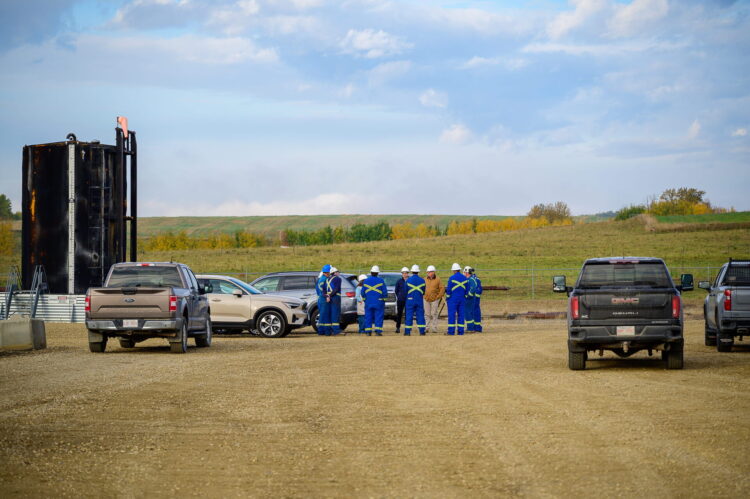
Human Rights Due Diligence in Canada
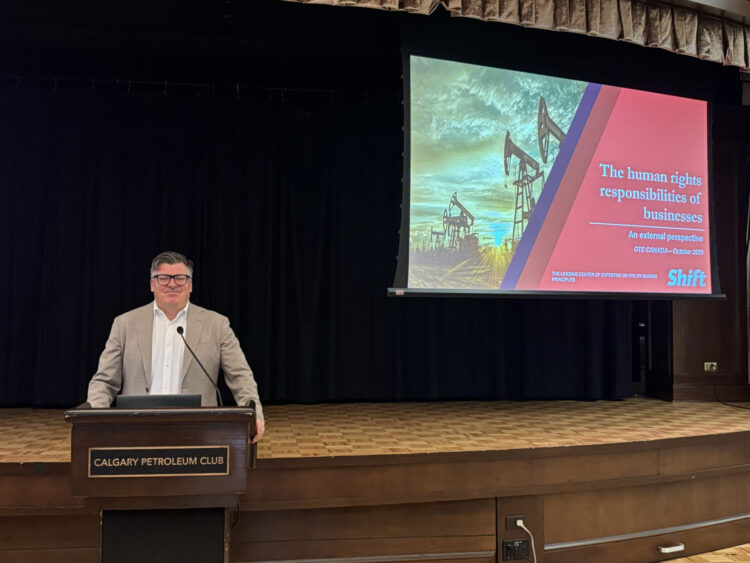
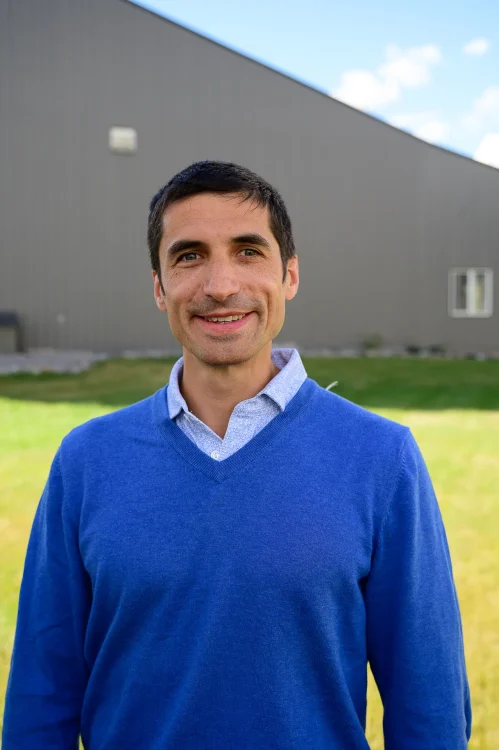
Recognizing that Human Rights risks can arise in any jurisdiction, in 2025, Gran Tierra Energy extended its Human Rights due diligence approach to Canada through a Risk Assessment conducted with Shift–an independent, non-profit centre of expertise on the United Nations Guiding Principles on Business and Human Rights.
The assessment included site visits, interviews with employees and external stakeholders, and Human Rights workshops. The workshops involved both Calgary based staff and field teams, and strengthened shared understanding of Human Rights risks in day-to-day operations. This included how decisions related to land access, contractor management, and community interaction can create or mitigate potential impacts.
While Canada operates within a strong institutional framework, its federal system creates regulatory complexity– with workplace rights, land access, and Indigenous rights varying by province and project location. The due diligence review enabled a deeper understanding of the local operating context and informed the identification of actions for monitoring, mitigation, and engagement. It also supported the identification of relevant internal functions and stakeholder groups as a foundation for strengthening corporate commitments.
Preventing Child Recruitment in Putumayo
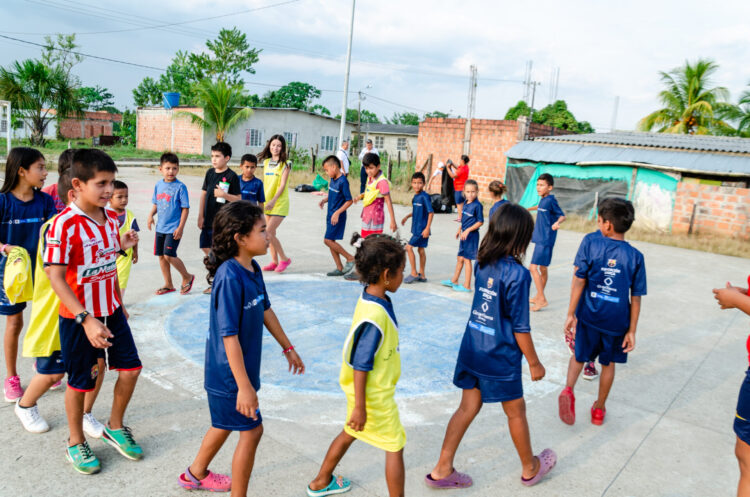
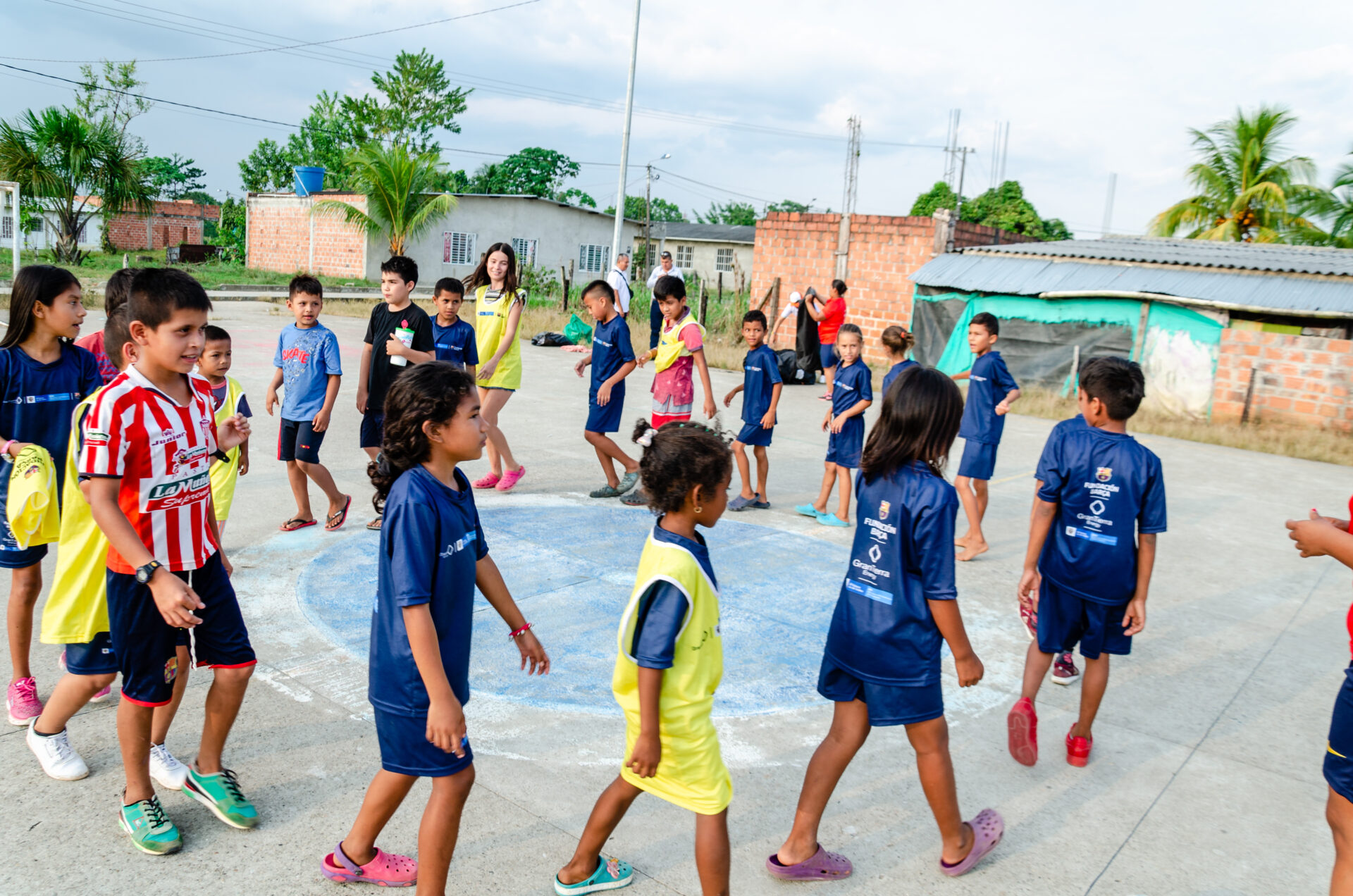
Gran Tierra Energy, the FC Barcelona Foundation, Colombia’s Agency for Reincorporation and Normalization (ARN) and the World Vision International Foundation, continue their strategic alliance to increase resilience in vulnerable children and reduce their susceptibility to two important Human Rights concerns in the area: substance abuse and militia recruitment.
Financed by GTE, the program is implemented by the Youth Violence Prevention Program of the Barça Foundation and uses football as a unifying tool for children from vulnerable populations, children living in poverty and descendants of Afro-Indigenous minorities to learn about conflict resolution, prosocial behaviour development and other important life skills. Expected long-term outcomes include stronger, more stable communities, greater educational attainment, increased employment and positive health indicators.
According to the Colombian Family Welfare Institute (ICBF), the project has been effective in preventing forced recruitment of minors, having documented multiple cases of preventions in program participants. To date, the Preventing Child Recruitment Program directly prevented 10 cases of forced recruitment and intervened in multiple cases of intrafamily violence, ensuring at-risk children receive protection and care. The project also helps female victims of sexual and physical violence with psychiatric, emotional and legal support.
The program works directly with schools, teachers, families, and caregivers to reinforce protective practices at school and home. Prevention efforts focus on building awareness and support systems in the environments where children spend the most time. The program has also resulted in a decrease of school dropout rates in the municipalities where it is delivered. In 2025, the Preventing Child Recruitment program benefited 5,500 participating children, families, and caregivers.

0%
reduction in school dropout rates
Teachers who participated in the program reported a 47% reduction rate in school dropouts
0
beneficiaries
5,500 children, families and caregivers have benefited from the Preventing Child Recruitment program, including those living in poverty & descendants of Afro-Indigenous minorities
0
prevention cases
10 cases of forced recruitment were prevented to date
SWIPE FOR MORE
Image Gallery

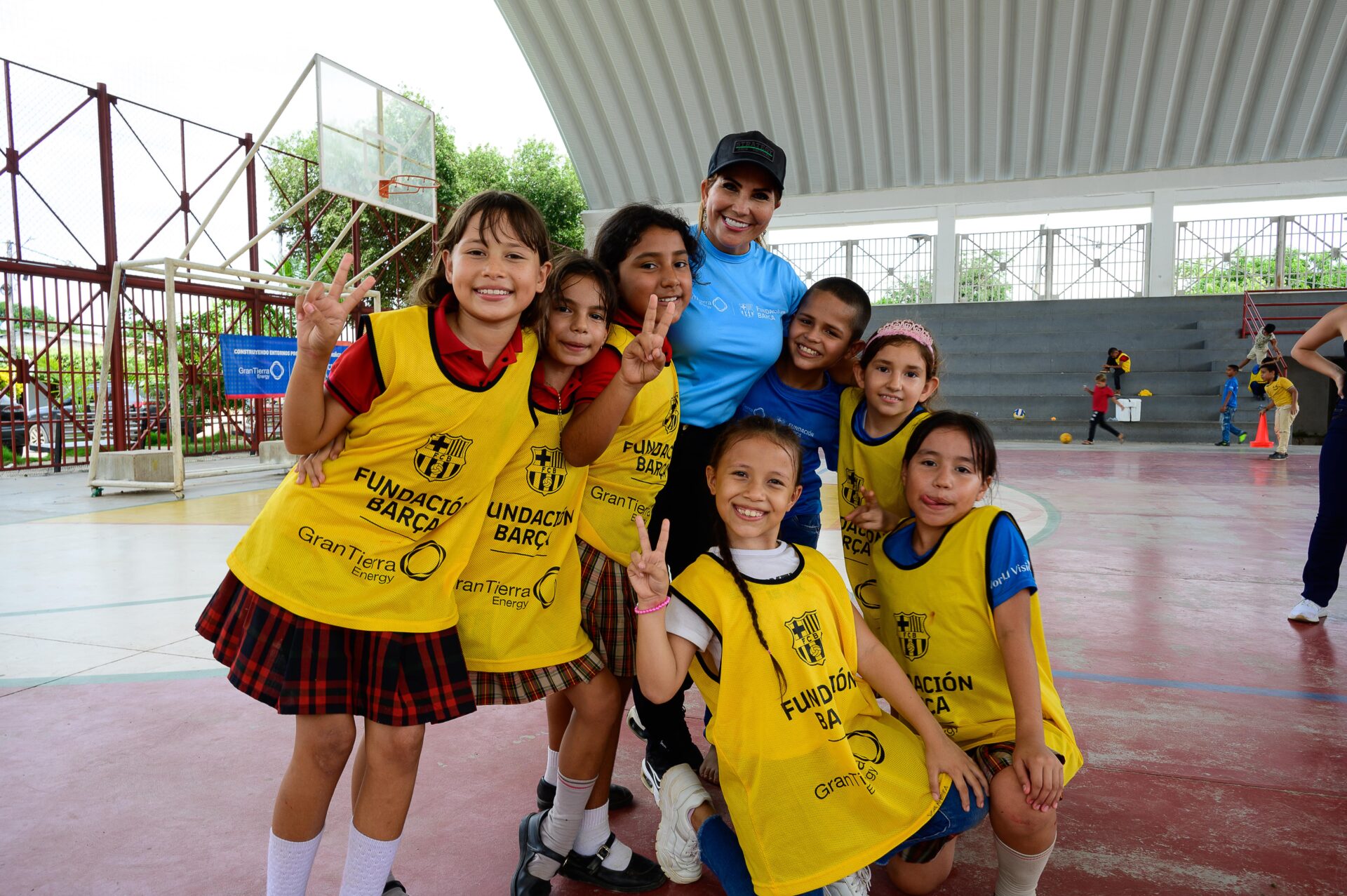
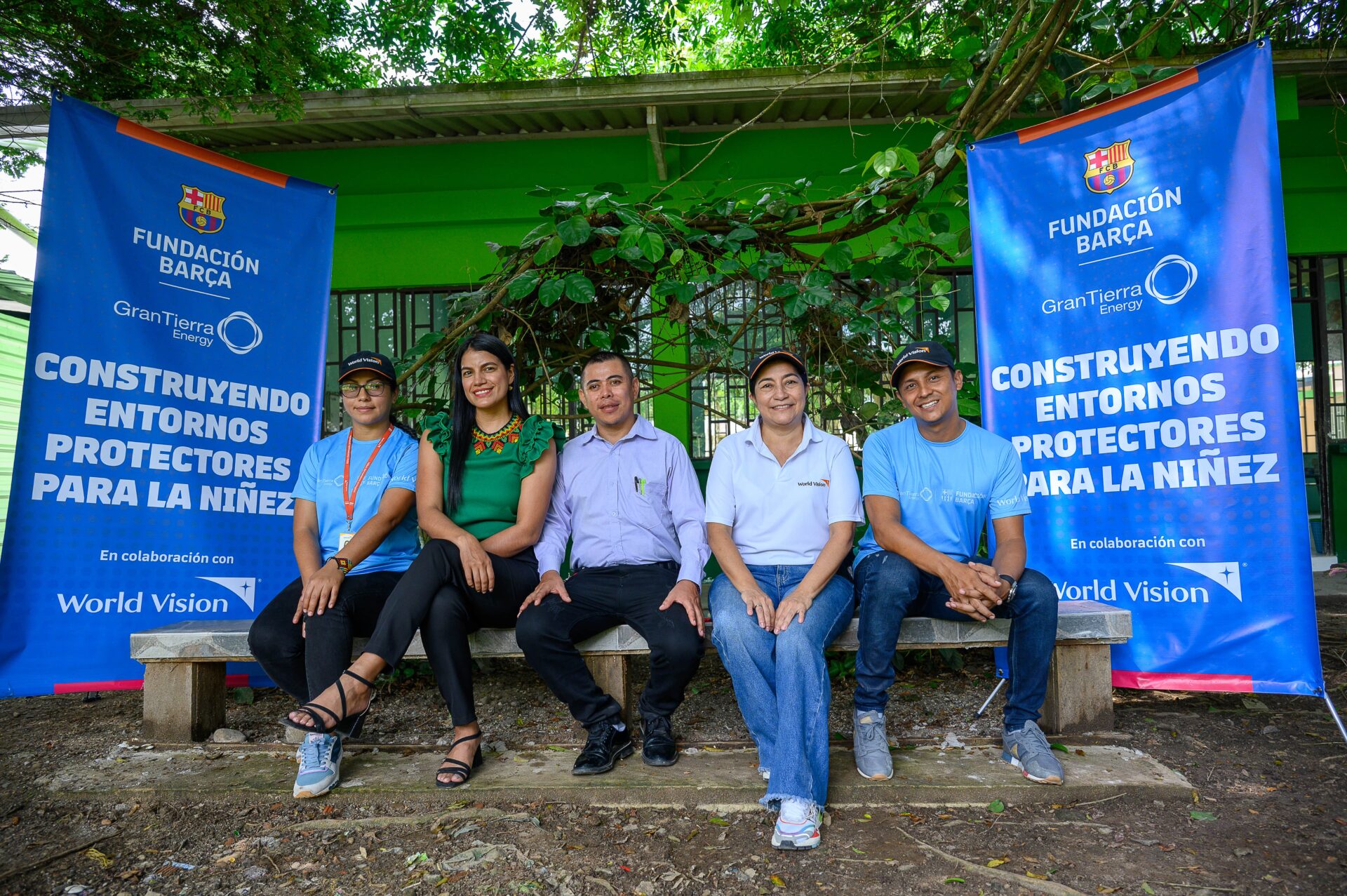
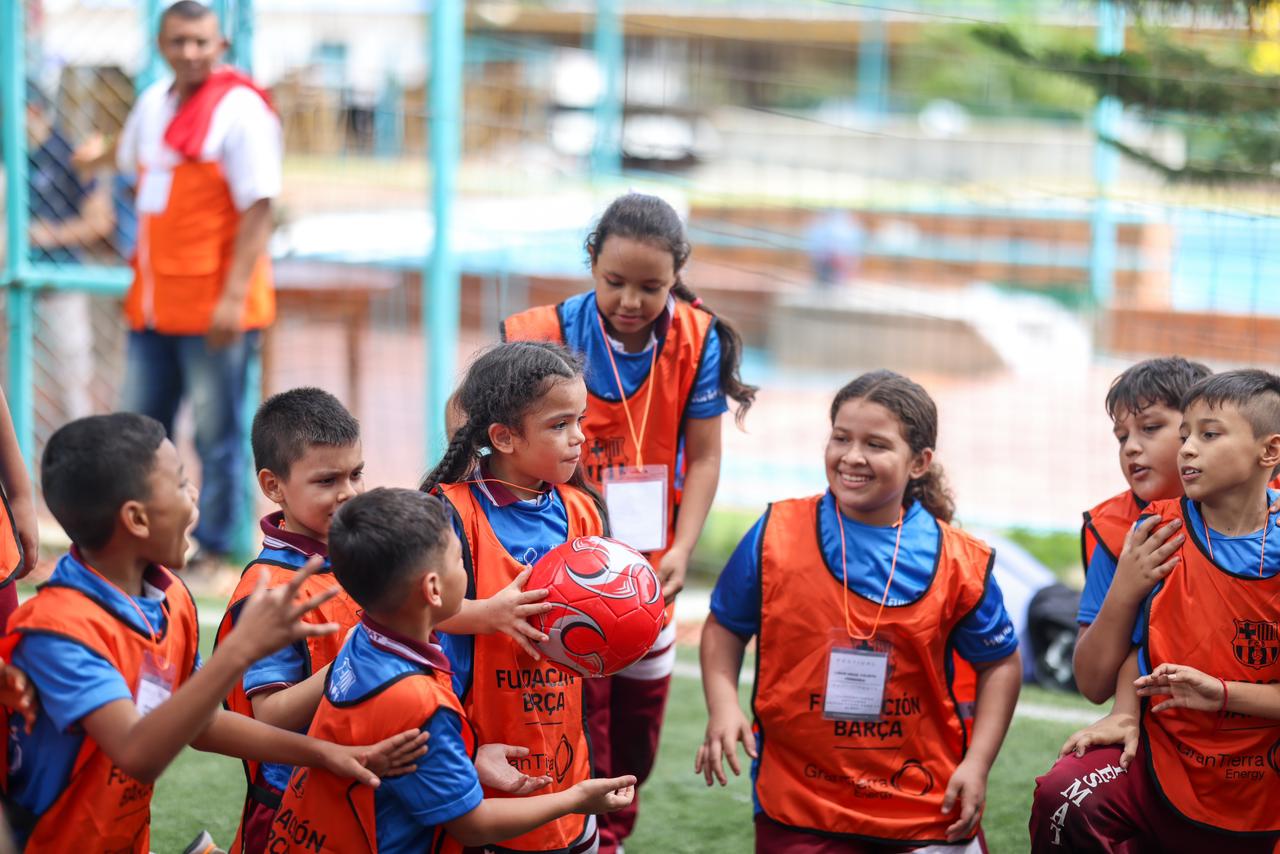
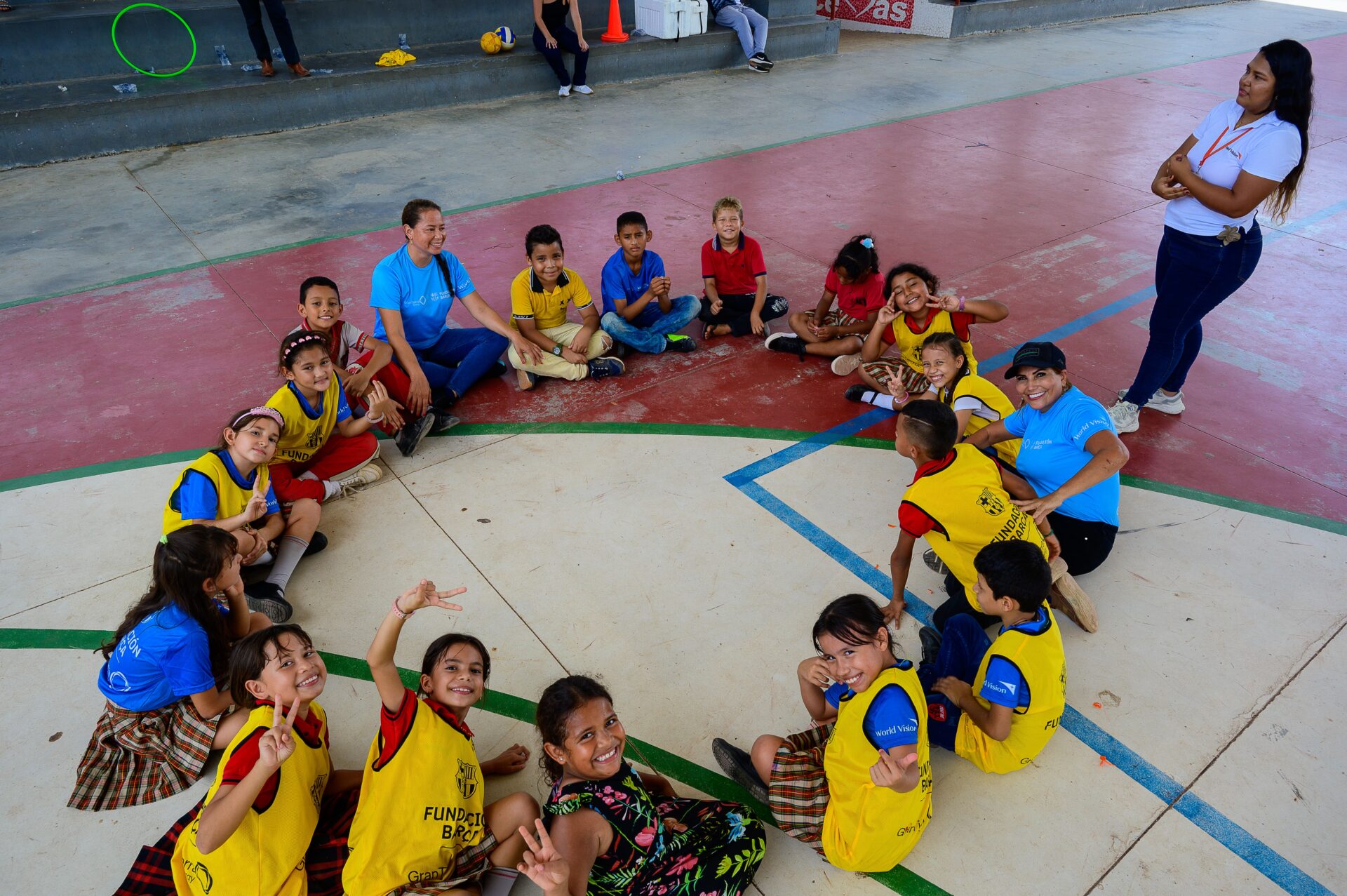

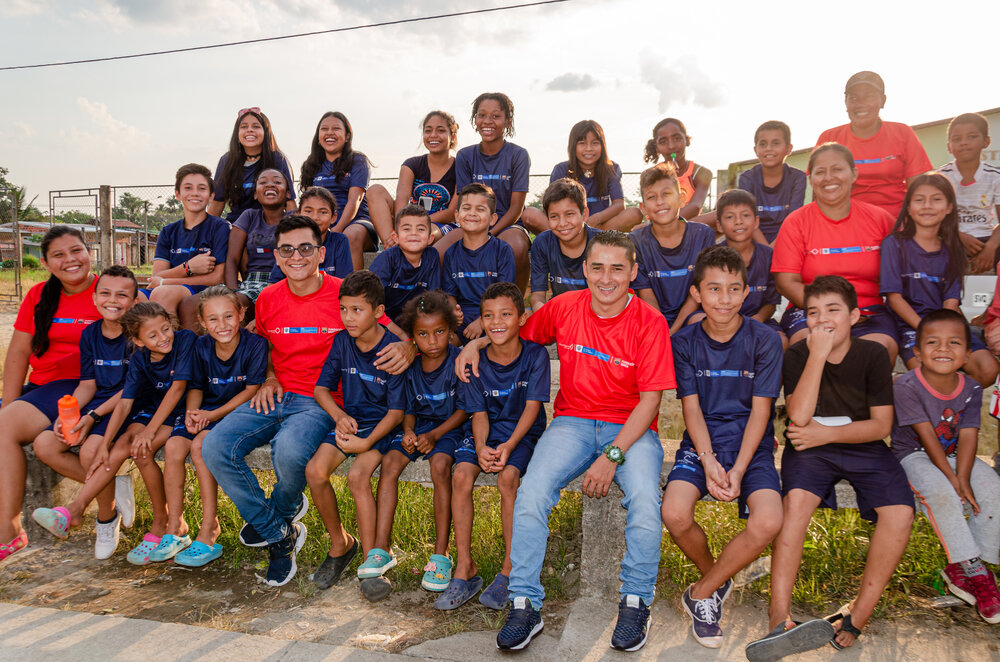
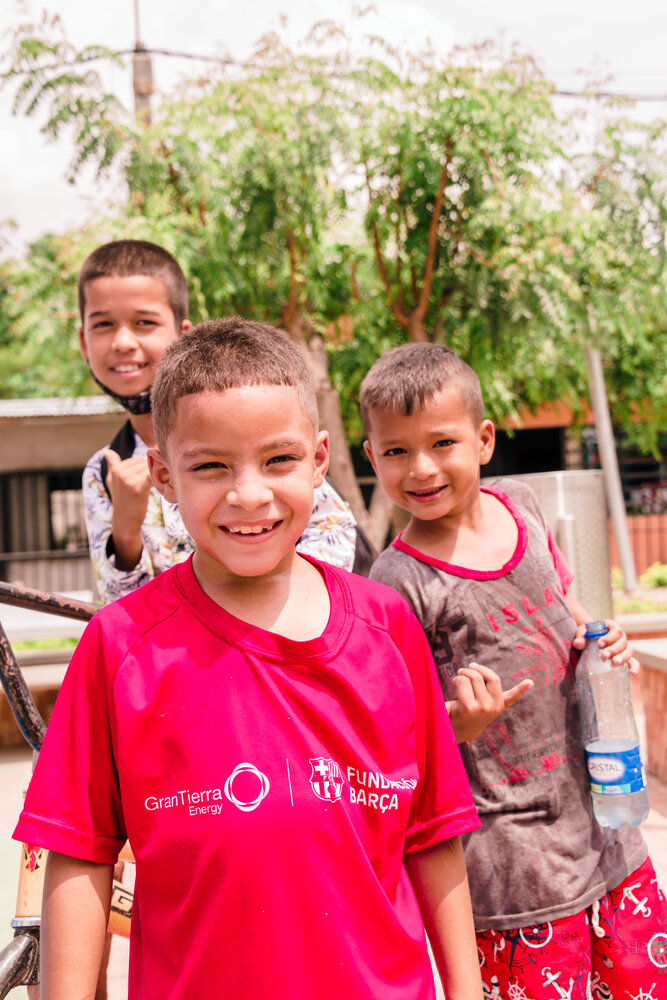
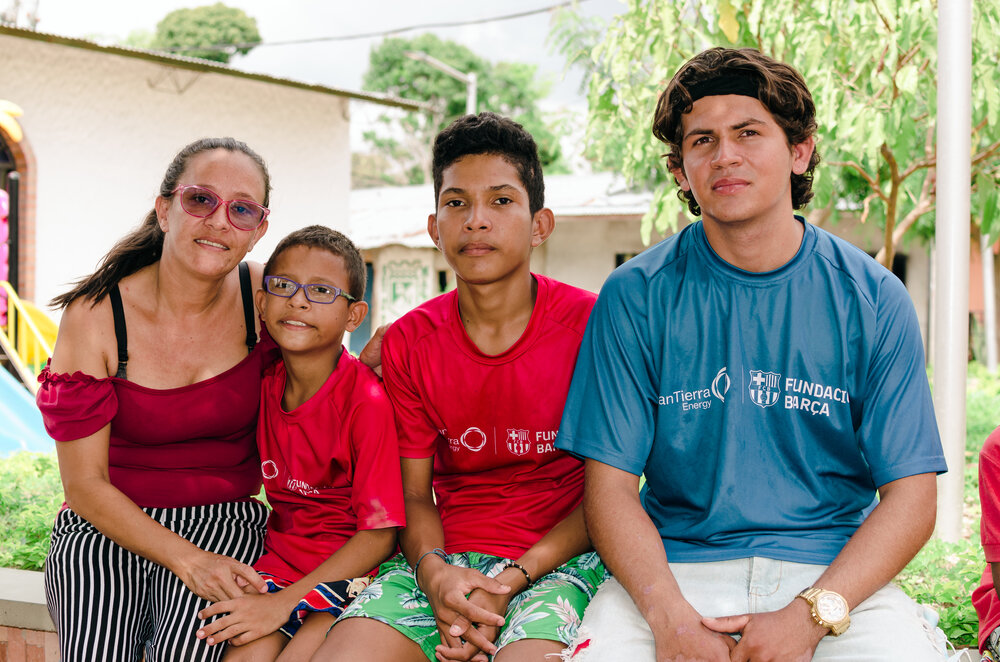
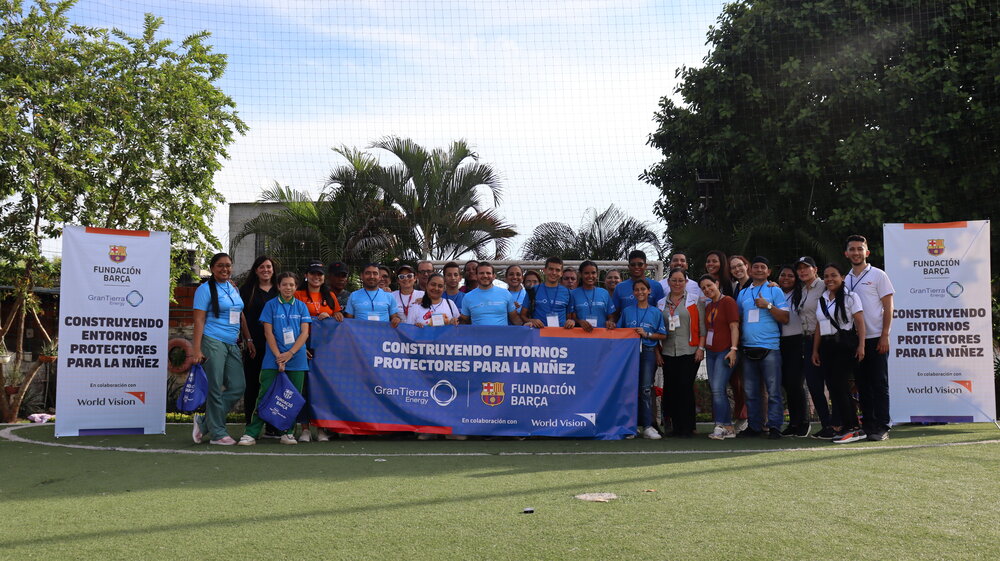
Image Gallery
Addressing Legacy Threats to Human Safety
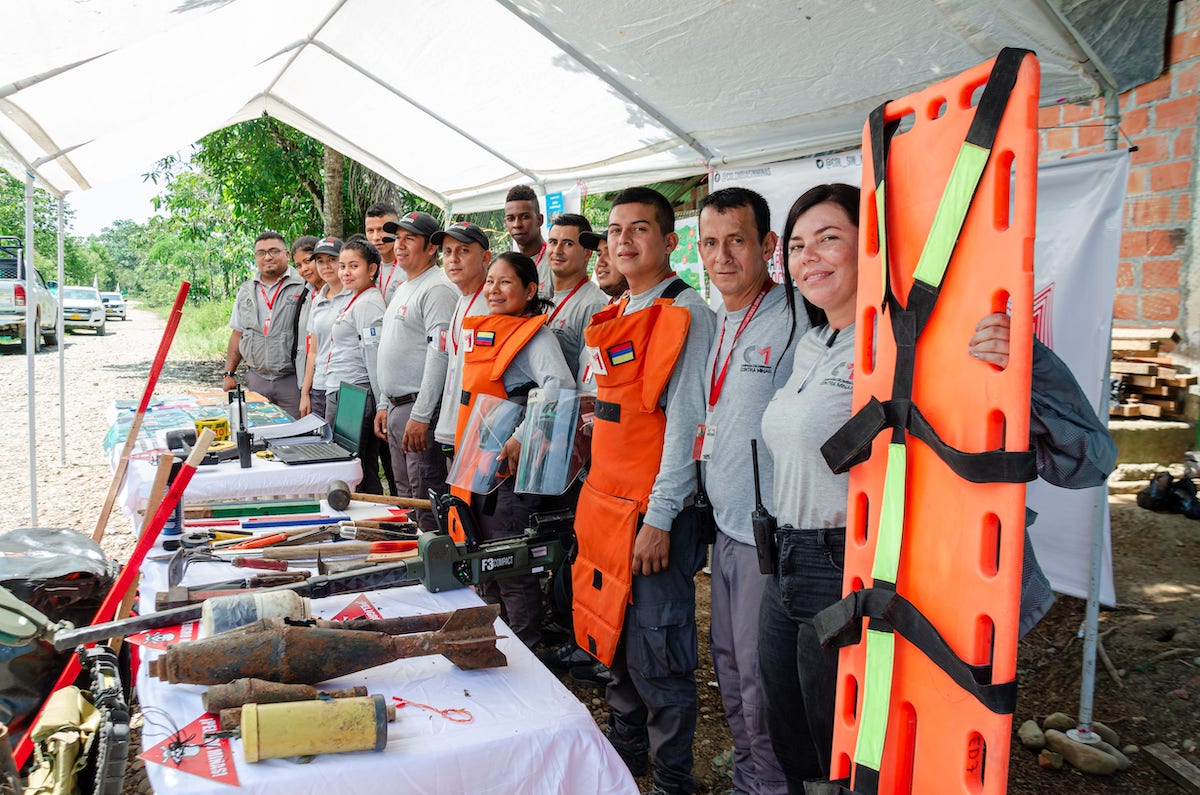
One of the most significant Human Rights threats throughout Colombia is the prevalence of anti-personnel mines and other explosive devices that are an unfortunate legacy of the decades-long conflict in the country.
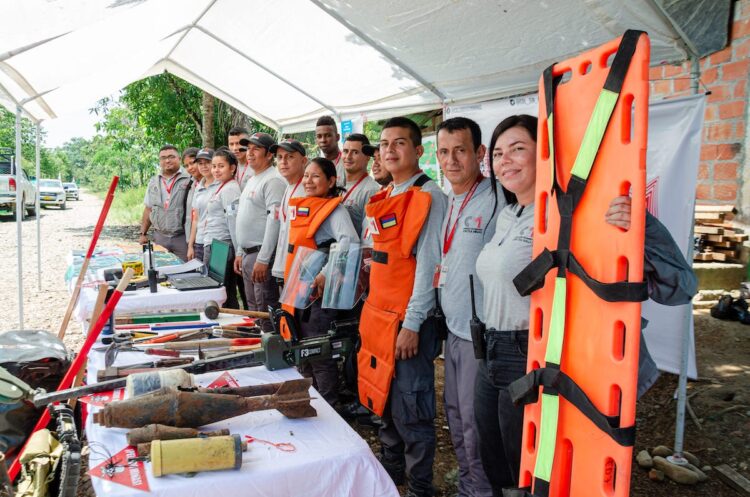
To address this risk in southern Putumayo where the Company undertakes exploration and development activities, GTE launched a Humanitarian Demining Pilot Project in 2019 with the help of an alliance made up of GTE, the Colombian Campaign Against Mines (CCCM), the Colombian High Commissioner of Peace, Ecopetrol, the United States Department of State and the Norwegian Ministry of Foreign Affairs.
This important demining project has investigated over 30,675 hectares of land that has been cleared of anti-personnel mines and the Puerto Vega Teteyé area in Puerto Asís has been declared free of contamination.
Because of this project, nearly 3,000 residents of nearby towns can move freely along the Puerto Vega-Teteyé corridor without the fear of legacy anti-personnel devices. In 2023, more than 22,400 additional hectares in the municipalities of Puerto Asís and Orito were certified free of anti-personnel mines and explosive devices. In total, close to 300 landmines, unexploded ordnance, and improvised explosive devices have been identified and removed since 2021 with zero accidents. For example, in 2024, GTE helped locate and safely manage eight explosive devices found near its Cohembi field in Colombia improving the living conditions of 972 residents, contributing to a safer environment for our neighbours and promoting respect for the right to life and security in these regions.
Image Gallery
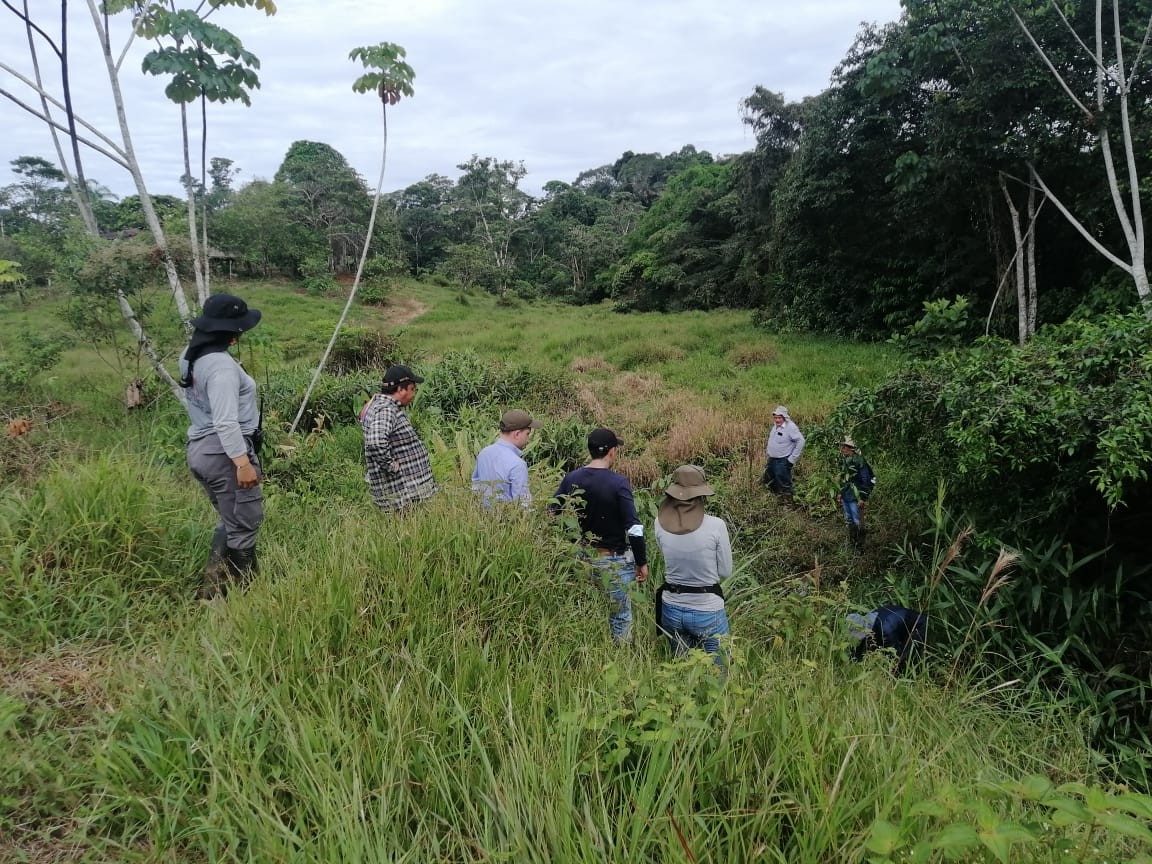
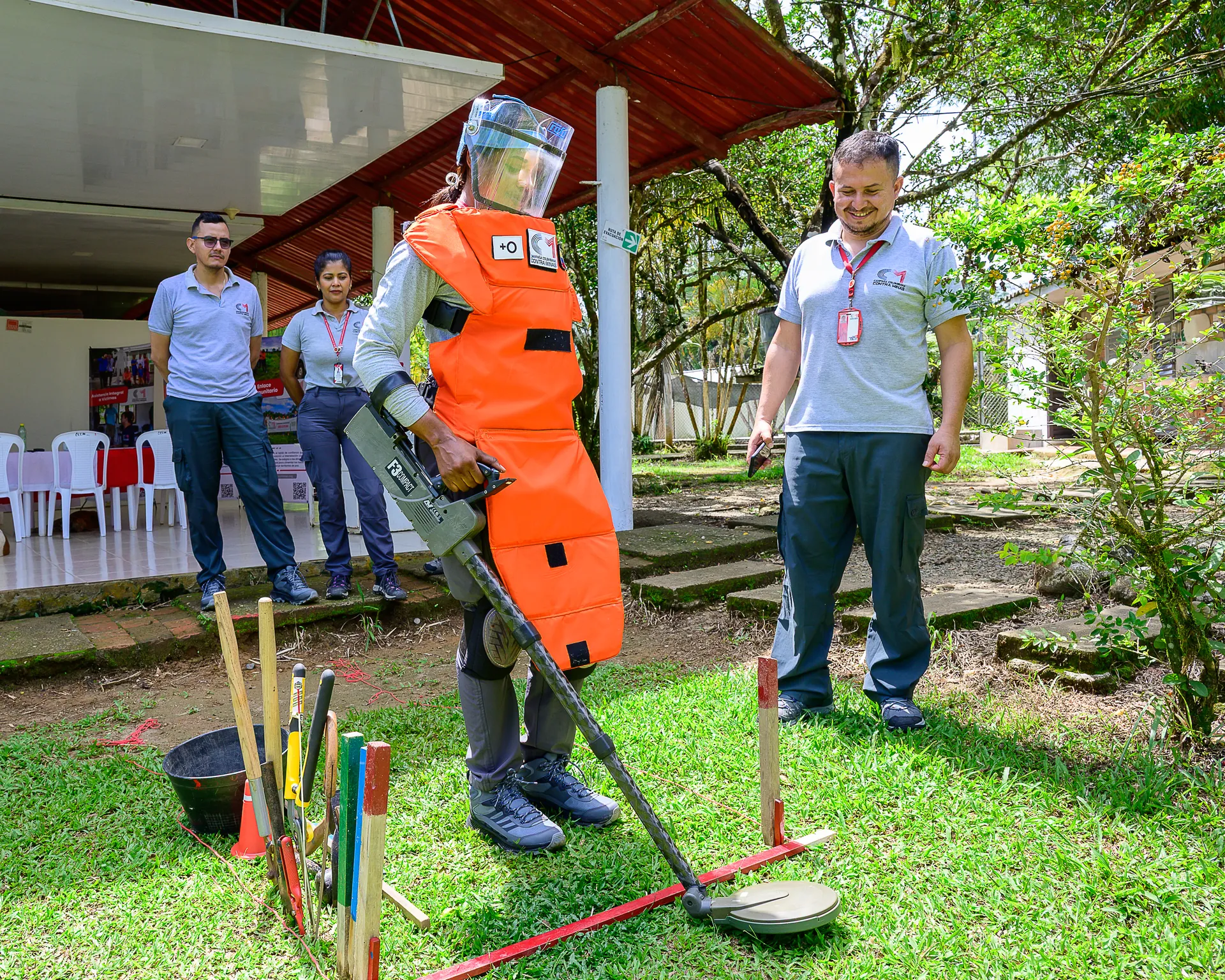
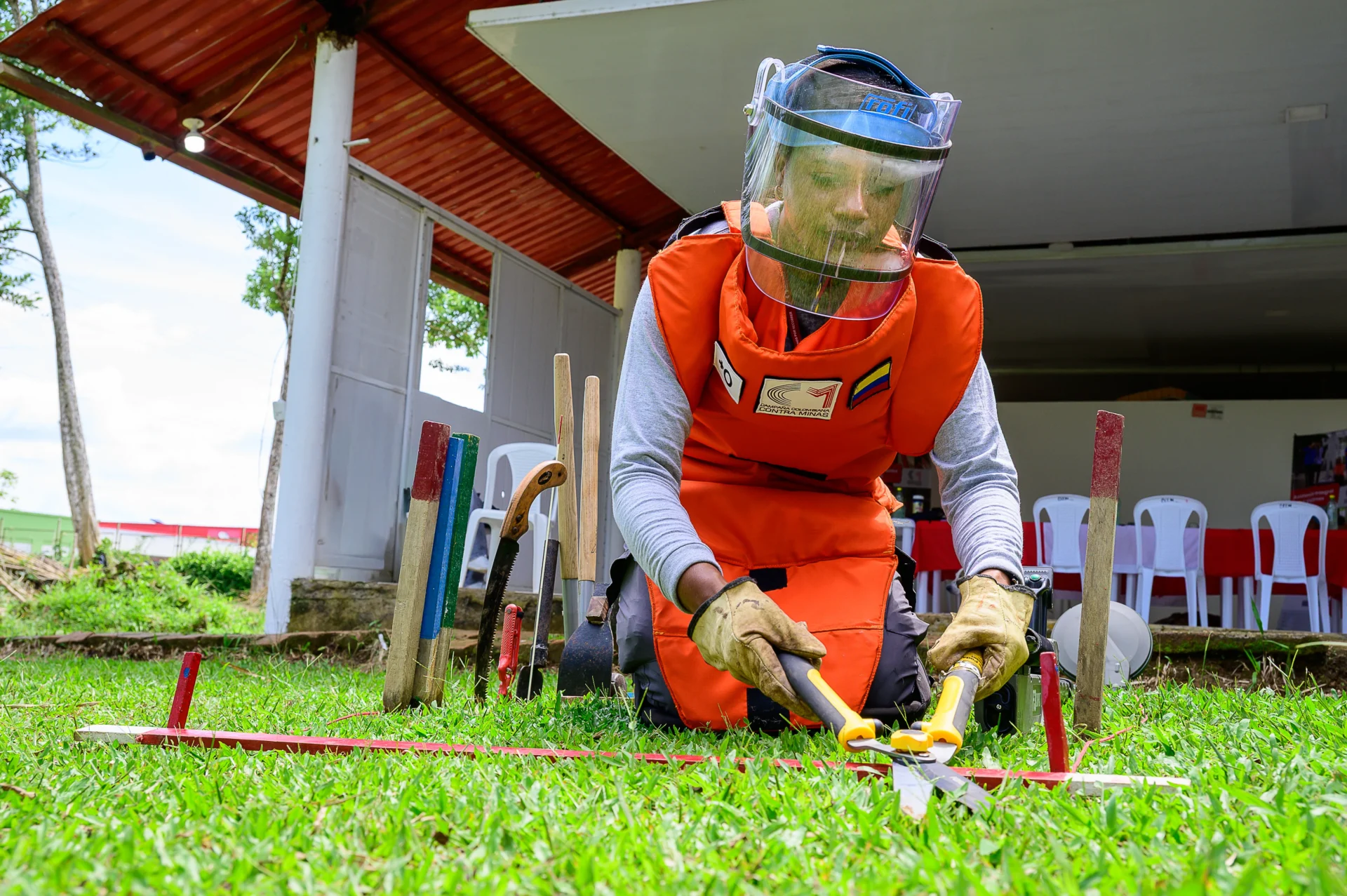
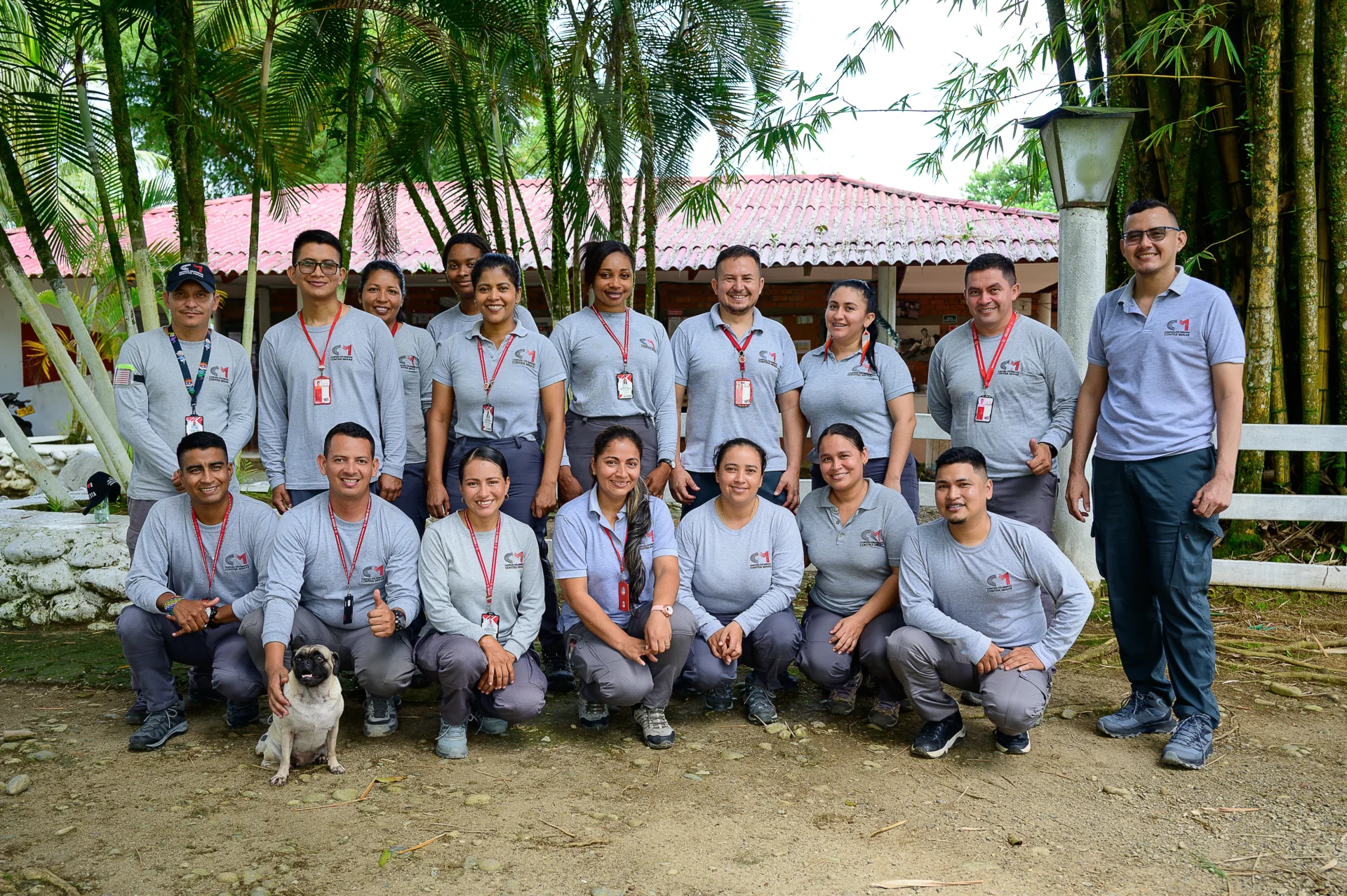
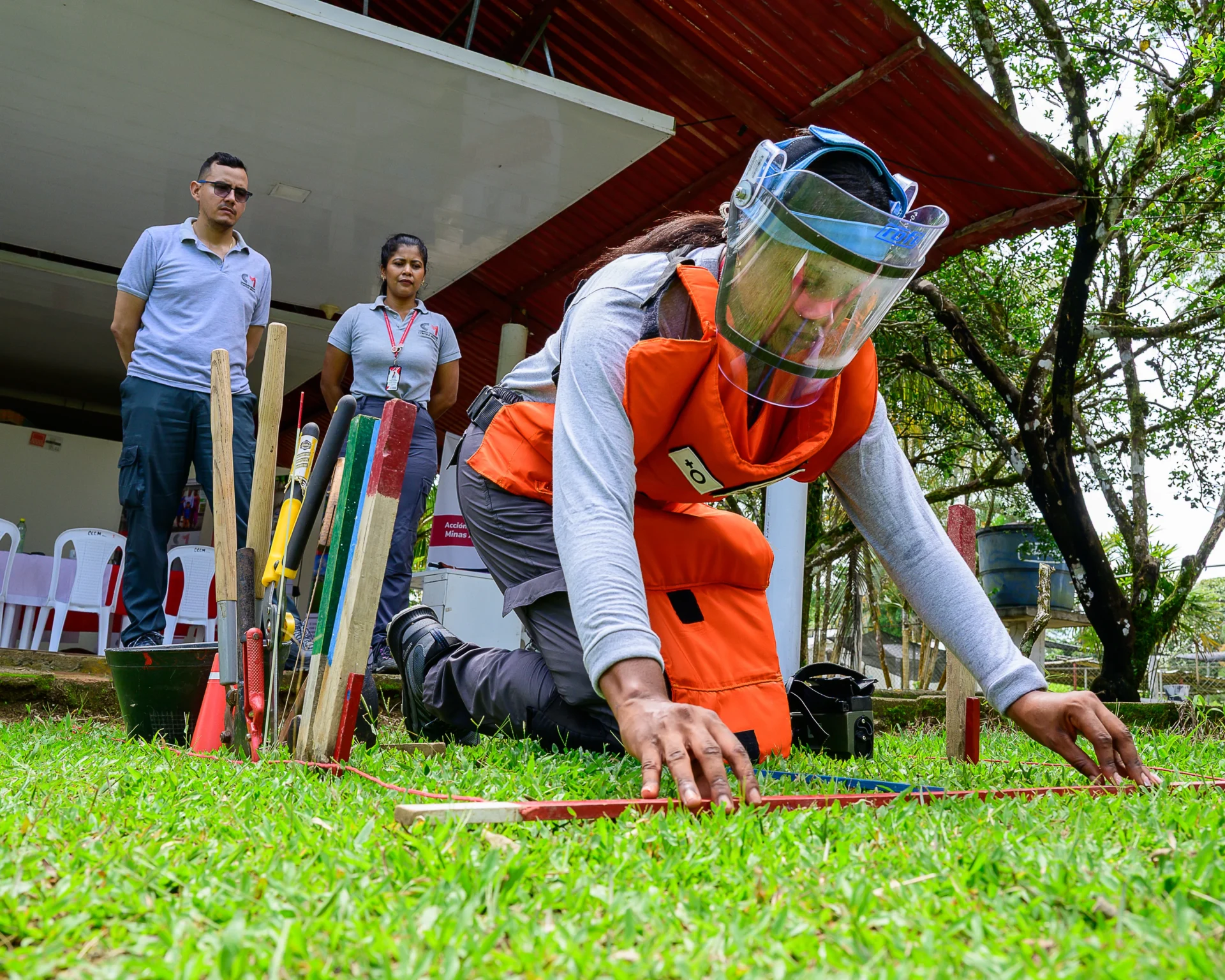
Image Gallery
Engaging Leading Human Rights Experts
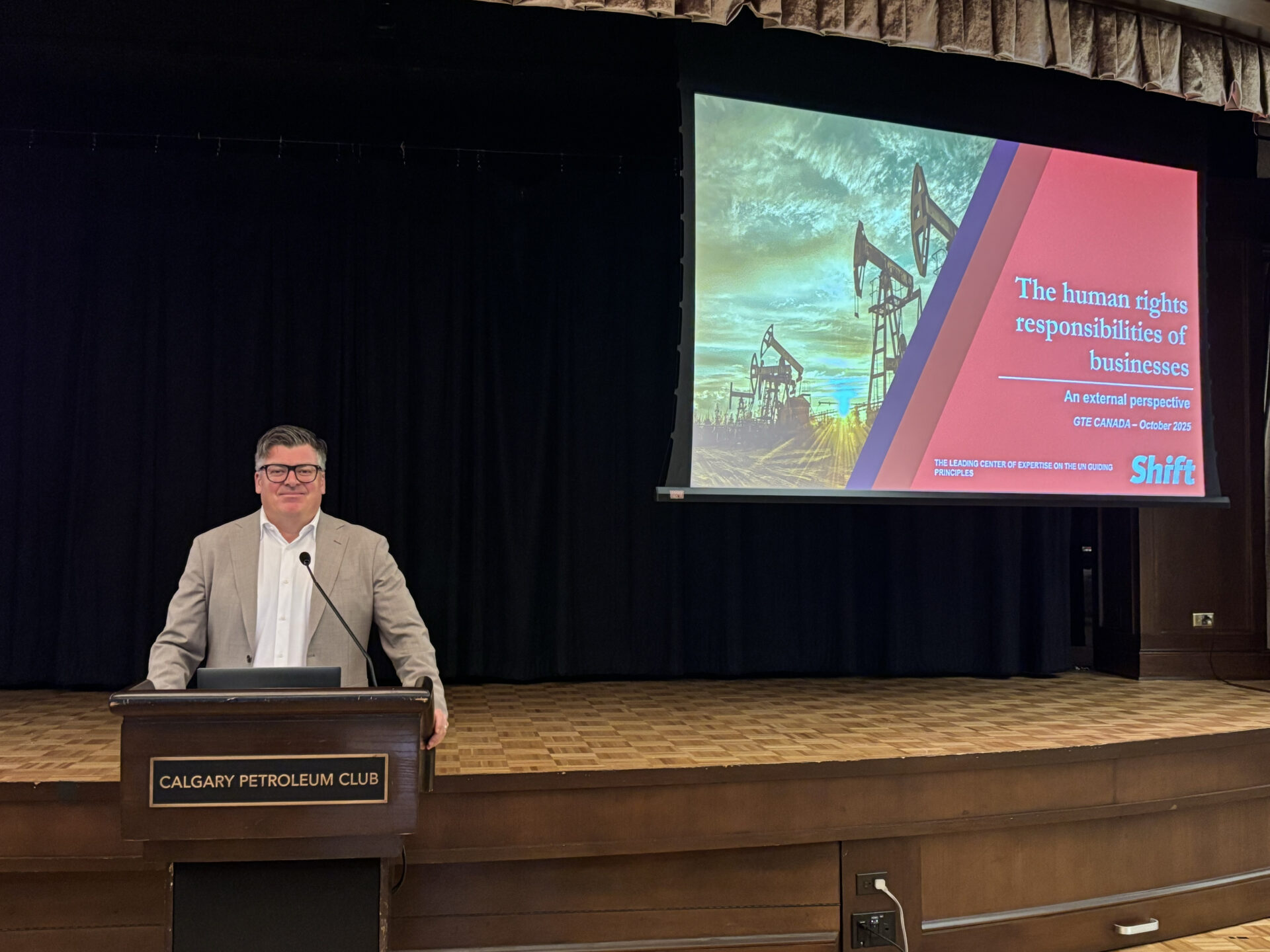
GTE and renowned business and human rights experts Shift first collaborated in 2019 to identify and work to address human rights issues related to GTE’s business operations and value chain. Shift is the leading centre of expertise on the United Nations Guiding Principles on Business and Human Rights (UNGPs). The nonprofit organization at one point was chaired by the late John Ruggie who authored the Guiding Principles during his mandate as the UN Secretary-General’s Special Representative on Business & Human rights.
Shift introduced GTE staff to a methodology for effectively assessing human rights risks. Shift also facilitated discussions with GTE’s management, corporate responsibility personnel and other field staff at the Company’s operations sites in Colombia and Ecuador, in order to build additional capacity within the Company for managing human rights issues.
With operations in Ecuador growing, in 2023 and 2024, the Company carried out training led by Shift, on the standards of the Guiding Principles of Human Rights and Business. This training workshop was attended by supply chain partners, government officials and civil society organizations. In 2023, the Company also held a session with 19 local supply chain partners in Lago Agrio, communicating its Human Rights Policy, operating philosophy, and the requirements to apply its corporate policies and contractual clauses that speak to the respect and protection of human rights.
The partnership between Shift and GTE continues today. Gran Tierra is one of 18 companies that participate in Shift’s Business Learning program, which was designed to support companies that are committed to working to fulfill their responsibility to respect Human Rights. In order to qualify for the program, participants must meet the following criteria:
- Evidence of high-level commitment to business and human rights
- Demonstrated organizational capacity to drive the implementation process
- Support for the broader, mission-driven learning approach
- Coherence with human rights principles
Recognizing that human rights risks can arise in any jurisdiction, in 2025 Gran Tierra Energy extended its due diligence approach to Canada through a Risk Assessment that included site visits, interviews with employees, external stakeholders, and human rights workshops. The training sessions involved both Calgary-based staff and field teams, and strengthened shared understanding of human rights risks in day-to-day operations. This included how decisions related to land access, contractor management, and community interaction can create or mitigate potential impacts.

Protecting Human Rights in Ecuador
As a new operator in a country, Gran Tierra must contend with industry legacy impacts that the region may have had. While it is a new company for local Ecuadorian populations in the Sucumbíos province, Gran Tierra’s international experience as a responsible business partner has prepared it well to meaningfully engage communities and manage Human Rights risks in Ecuador. Continued proactive relationship building efforts are key factors in the Company’s ability to demonstrate its respect for protecting Human Rights and its commitment to protecting health safety and the environment to its neighbours.
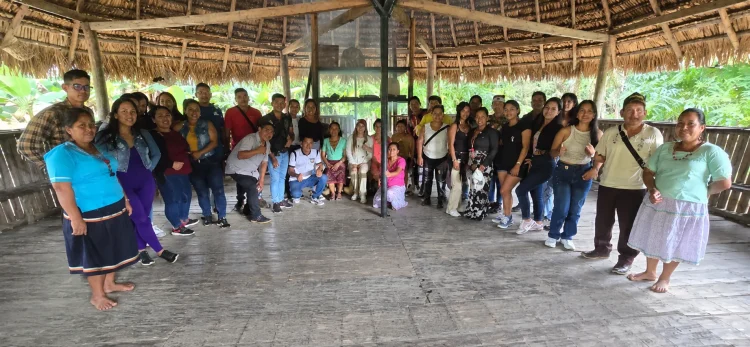
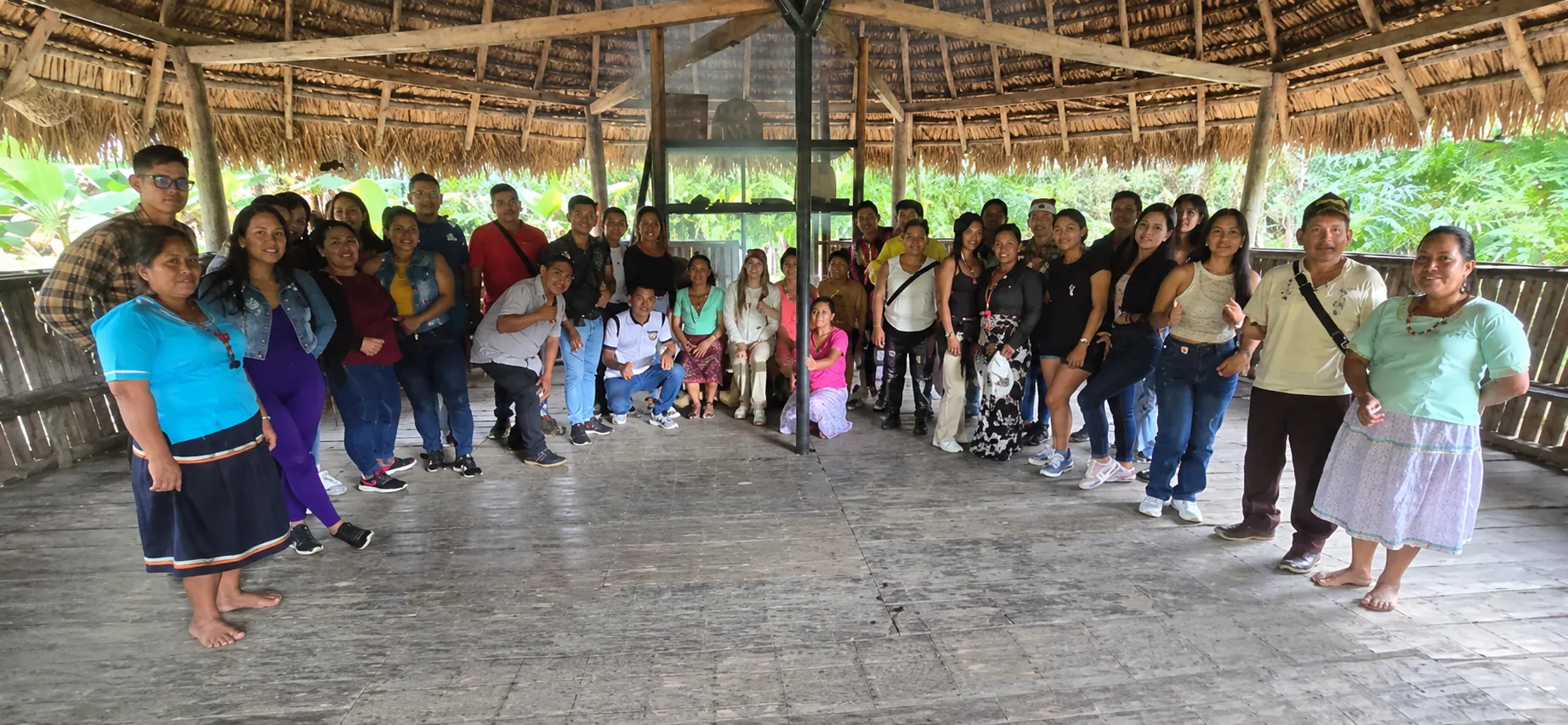
Prior to any exploration and development work taking place in Ecuador, a Human Rights and Environmental training session was conducted for 35 leaders in the area of influence of GTE’s operations. The session was intended to share knowledge and provide tools to better understand the international rules and regulations that exist to help protect Human Rights, the Environment, and natural resources.
Access to information is a right that Gran Tierra promotes in the regions where it operates. In Ecuador, the Company has implemented a Transparency Committee as an innovative way to facilitate trust and relationship building between communities, local authorities, and GTE. The Committee guarantees a space for dialogue, transparency, and community participation to validate regulations, agreements and commitments. GTE held 10 Transparency Committee meetings involving leaders from four different communities.
Additionally, in 2025, GTE held 2,443 meetings with local communities to answer questions, resolve concerns and share information.


Supporting our Stakeholders with Human Rights Training
Gran Tierra Energy is committed to operating at the highest level of responsible business conduct, through the adherence and application of the highest Human Rights and Business International Standards, as well as in strict compliance with the legislation of the countries where the Company operates. GTE creates and ensures a non-discriminatory and respectful work environment for all its personnel and contractors, offering safe and healthy working conditions. The Company also provides human rights training to local suppliers and community members to promote awareness, strengthening understanding of human rights principles and encourage best practices.
One of the main pillars of GTE’s human rights work involves integrating its policies and concepts into its business. This effort requires extensive training with internal stakeholders to ensure they understand and adhere to the Company’s policies which are designed to protect rights.
This includes:
- Environmental management and licensing, including rights to land, water, and other natural resources.
- Health and Safety, including the right to life, physical integrity and security.
- Social freedom, including rights to protest and exercise legal rights.
Training the Workforce
A fundamental part of Gran Tierra’s commitment to respecting and promoting human rights is the integration of its Human Rights Policy at all levels of the organization. GTE conducts a range of activities to build awareness and understanding of Human Rights principles among employees and contractors. Central to this strategy is regular training, which equips personnel to identify and address potential issues, such as preventing forced and child labour and ensuring safety and respect for social leaders in the communities who live near our operations.
In 2025, human rights awareness workshops were held by human rights experts, Shift, in Calgary and at GTE’s Canadian fields, with the participation of over 100 employees. These workshops reinforced the understanding of human rights and how it applies to corporate responsibilities and day-to-day operational activities.
Strengthening Suppliers
Gran Tierra is also committed to managing human rights risks within its business and through its supply chain, including working to combat forced labour and child labour.
Since 2021, Gran Tierra has offered training to its contractors to help them understand and adhere to its Human Rights Policy. To strengthen commitments and good practices within its supply chain, the Company partnered with Hemisferio Consultores and ICESI University to deliver targeted programs to local contracting companies, many of whom have since formalized their own Human Rights policies. In 2025, efforts in Colombia and Ecuador focused on completing the development of a digital training tool aimed at training 800 drivers to become agents of change within their territories, promoting the prevention of forced labour, child labour, and the worst forms of child labour, in alignment with the guidelines of Canada’s Bill S-211.
Strengthening Human Rights in Local Communities
Gran Tierra’s human rights training also extends to local communities, promoting awareness, and understanding. Training sessions for local communities focus on fundamental human rights concepts, as well as GTE’s policies and scope of responsibility to the community. For example, the Company offered human rights training workshops for community members in partnership with the National Ombudsman. These sessions were focused on human rights, protection mechanisms for social leaders, and conflict resolution.

0+
drivers trained
Over 800 drivers have been trained to identify and report human rights risks
0
transportation companies
21 transportation companies have adopted their own human rights policies that align with GTE’s Human Rights Policy
0
contracting companies
30 contracting companies received training to understand and comply with GTE’s Human Rights Policy
SWIPE FOR MORE
Image Gallery

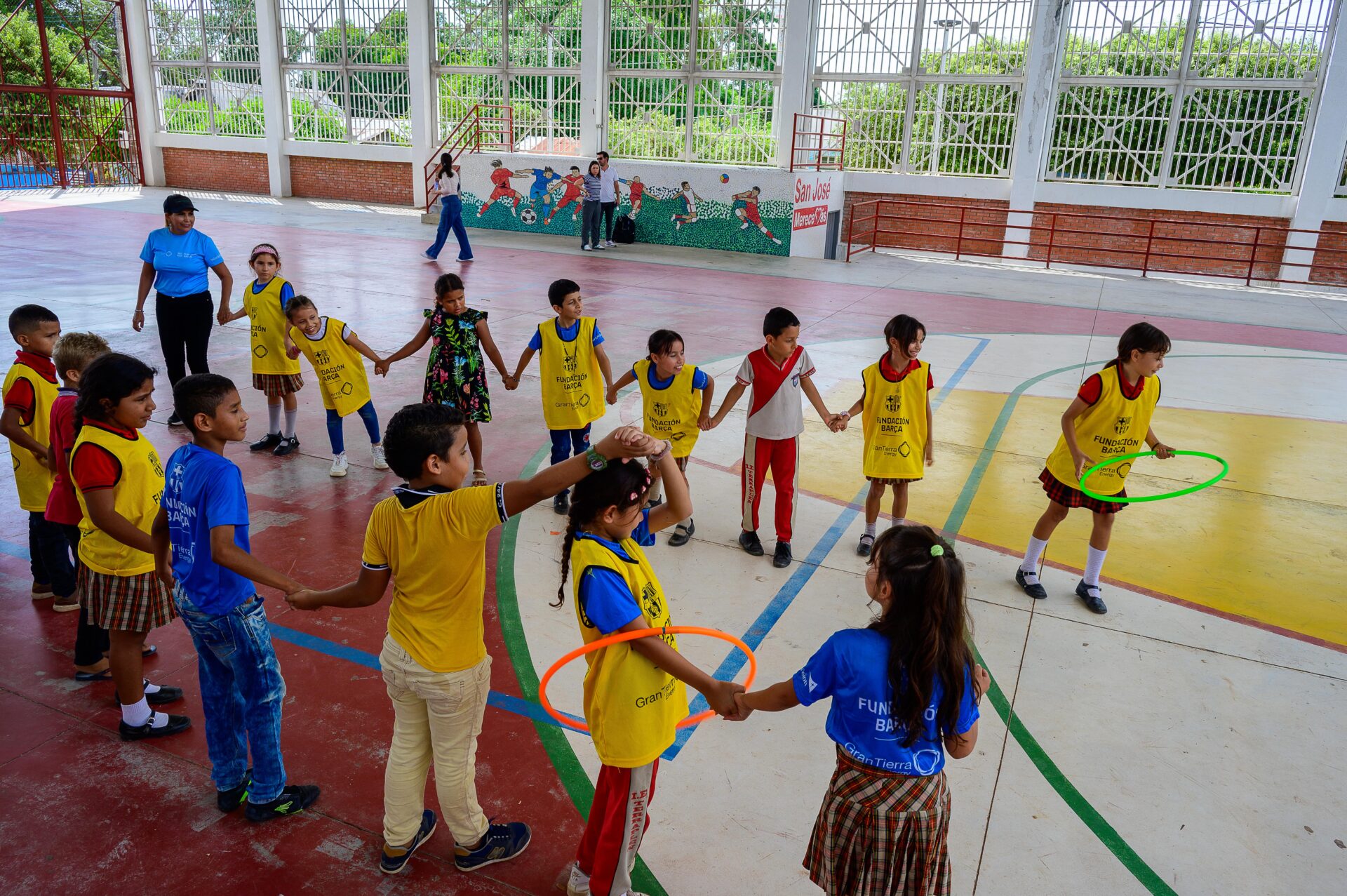
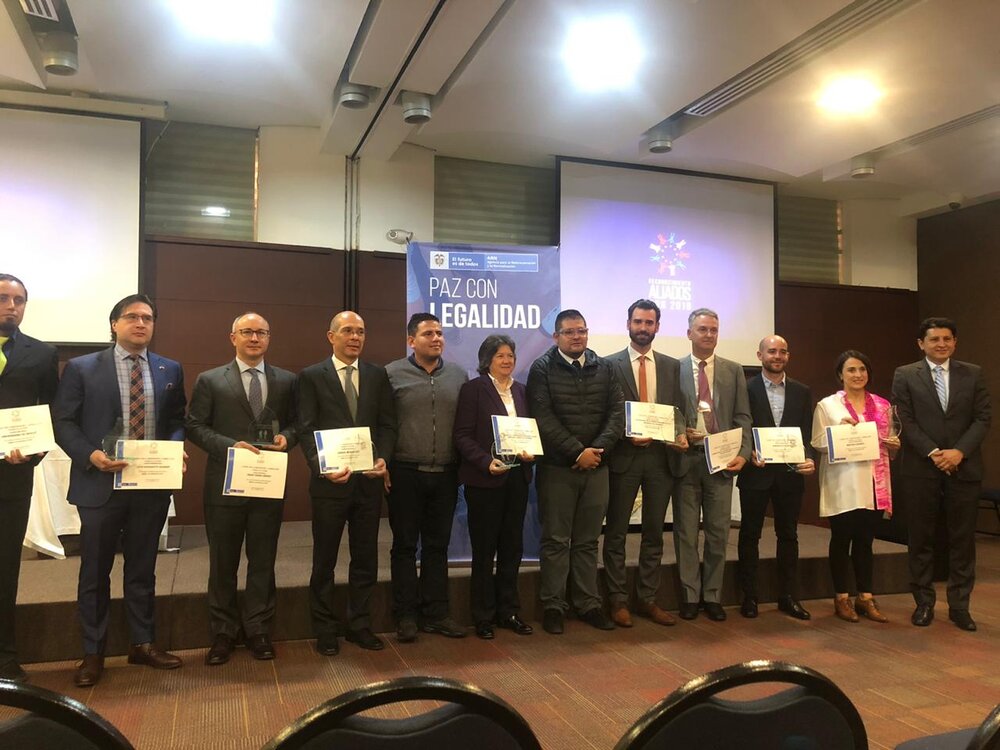
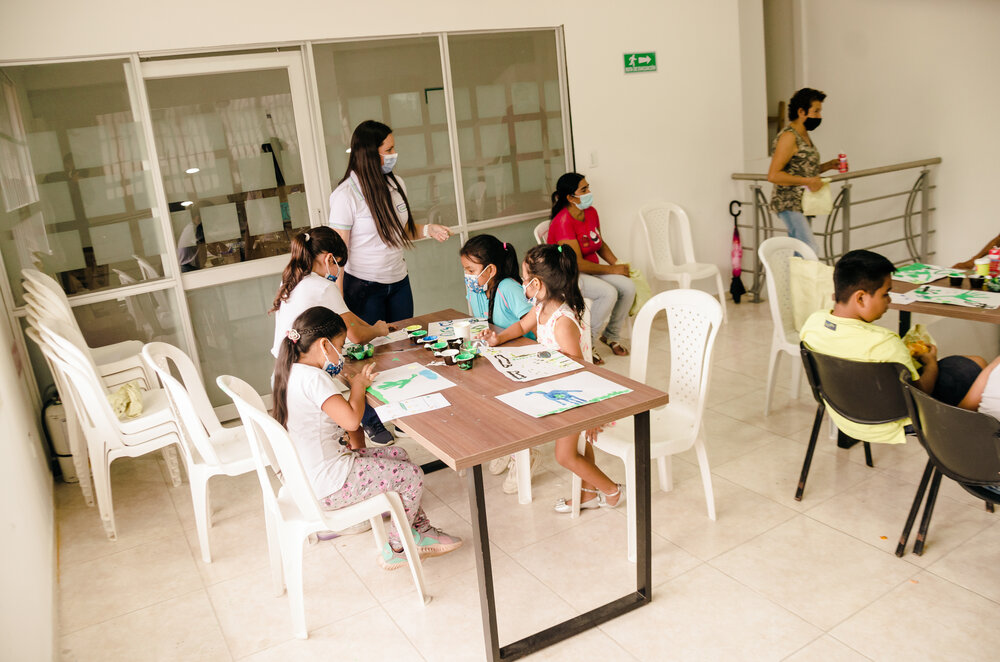
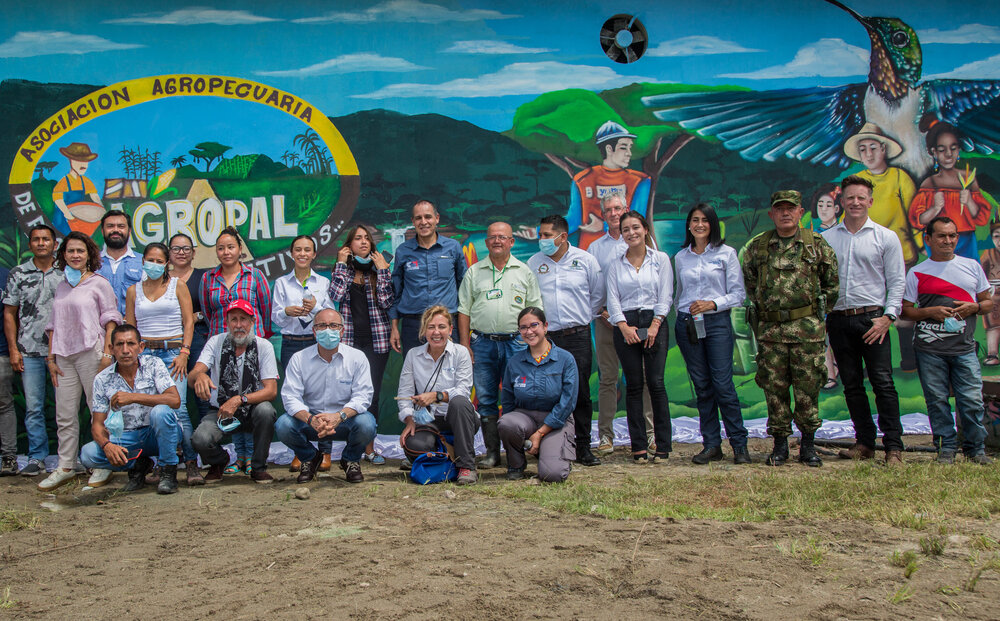
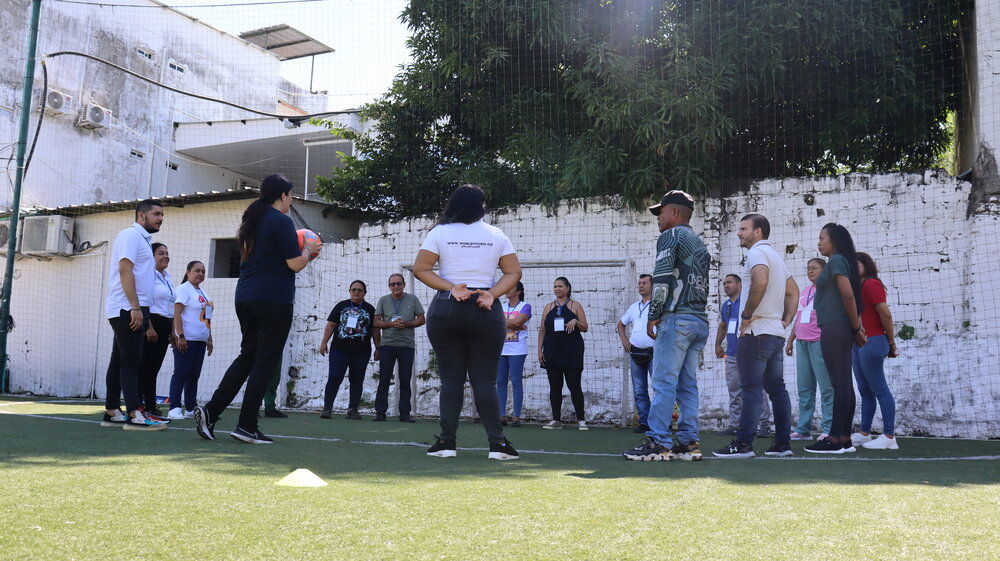
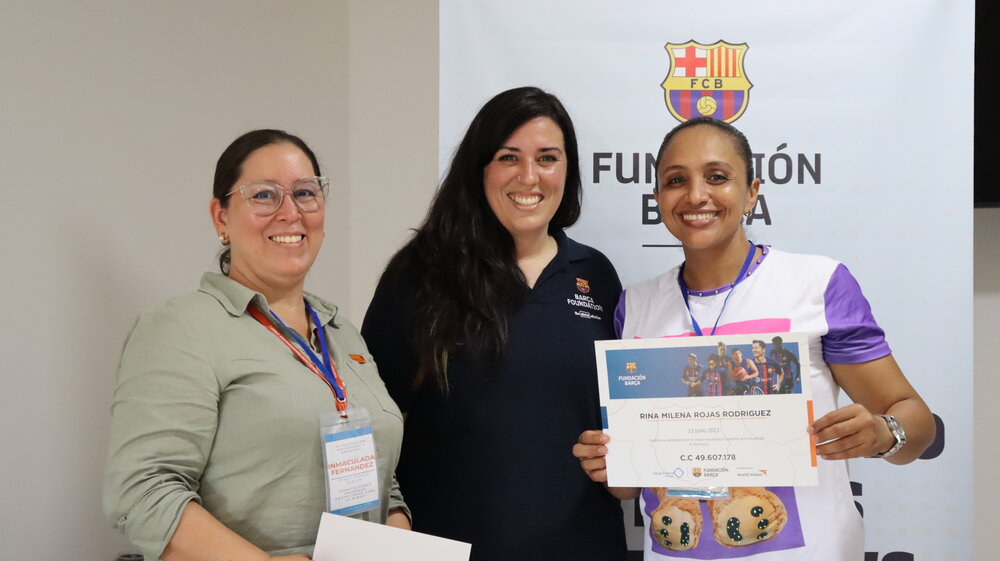
Image Gallery