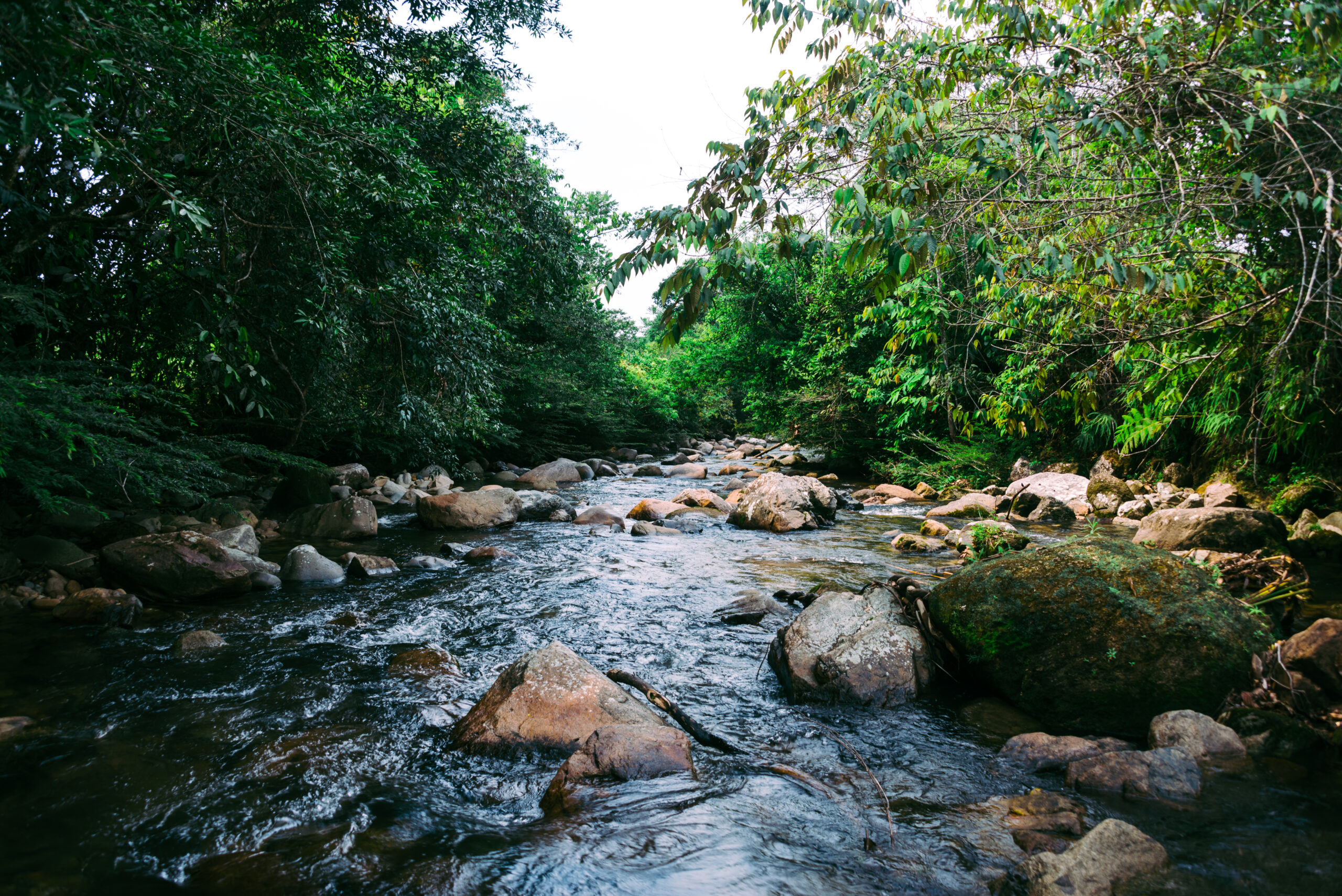
Gran Tierra believes that the protection of freshwater is an essential part of responsible oil and gas exploration and production. The Company is committed to the following four priorities to ensure that its operations do not have an impact on groundwater and aquifers:
- Proven Technology to isolate drilling operations from the environment.
- Constant Monitoring of groundwater quality where the company operates.
- Regular testing of groundwater & surface water monitoring wells on a regular basis, 97 in the Middle Magdalena Valley, 616 in Putumayo and 49 in Ecuador. We have collected and tested over 1,340 water samples throughout our water monitoring programs in South America in 2025.
- Confirmed Results—Independent monitoring and testing to confirm that Gran Tierra has fully safeguarded groundwater quality throughout its history of drilling operations in Colombia.
In addition to its four priorities, Gran Tierra has also made a target of zero use and disposal of water from all surface sources. Gran Tierra’s efforts in this area have resulted in significant reductions of surface water per barrel of oil produced, even as the Company has increased its overall production. Gran Tierra is committed to protecting local water sources. GTE’s objective is to reach 100%, closed-cycle production water use. Read the stories to learn more about the ways in which GTE protects, preserves and conserves water.
+0
Water Sampling Points
Regular testing of over 762 ground and surface water sampling points on a regular basis in Colombia and Ecuador
+0
water samples collected
Over 1,340 water samples collected in 2025 alone
0%
water used
95% of water used for pressure maintenance in Colombia comes from reinjected produced water or on-site dedicated sources of non-potable subterranean water
SWIPE FOR MORE
Bringing Safe Drinking Water to Rural Colombia
Inviting Communities to Participate in Water Monitoring
Stewardship of Natural Water Resources
SWIPE FOR MORE
Bringing Safe Drinking Water to Rural Colombia
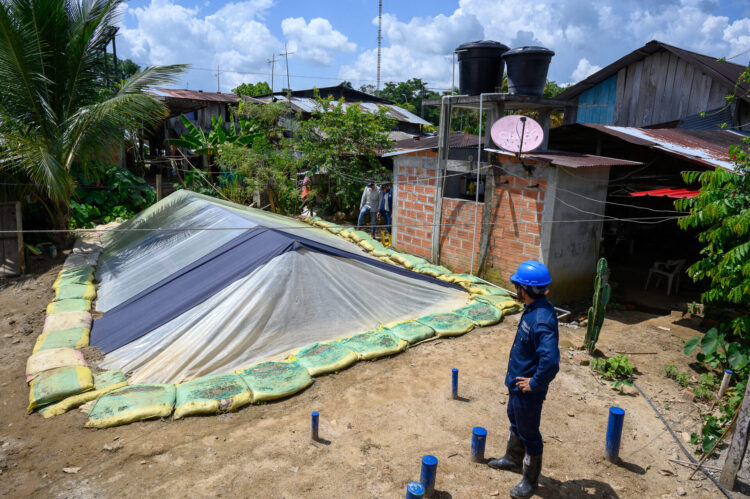
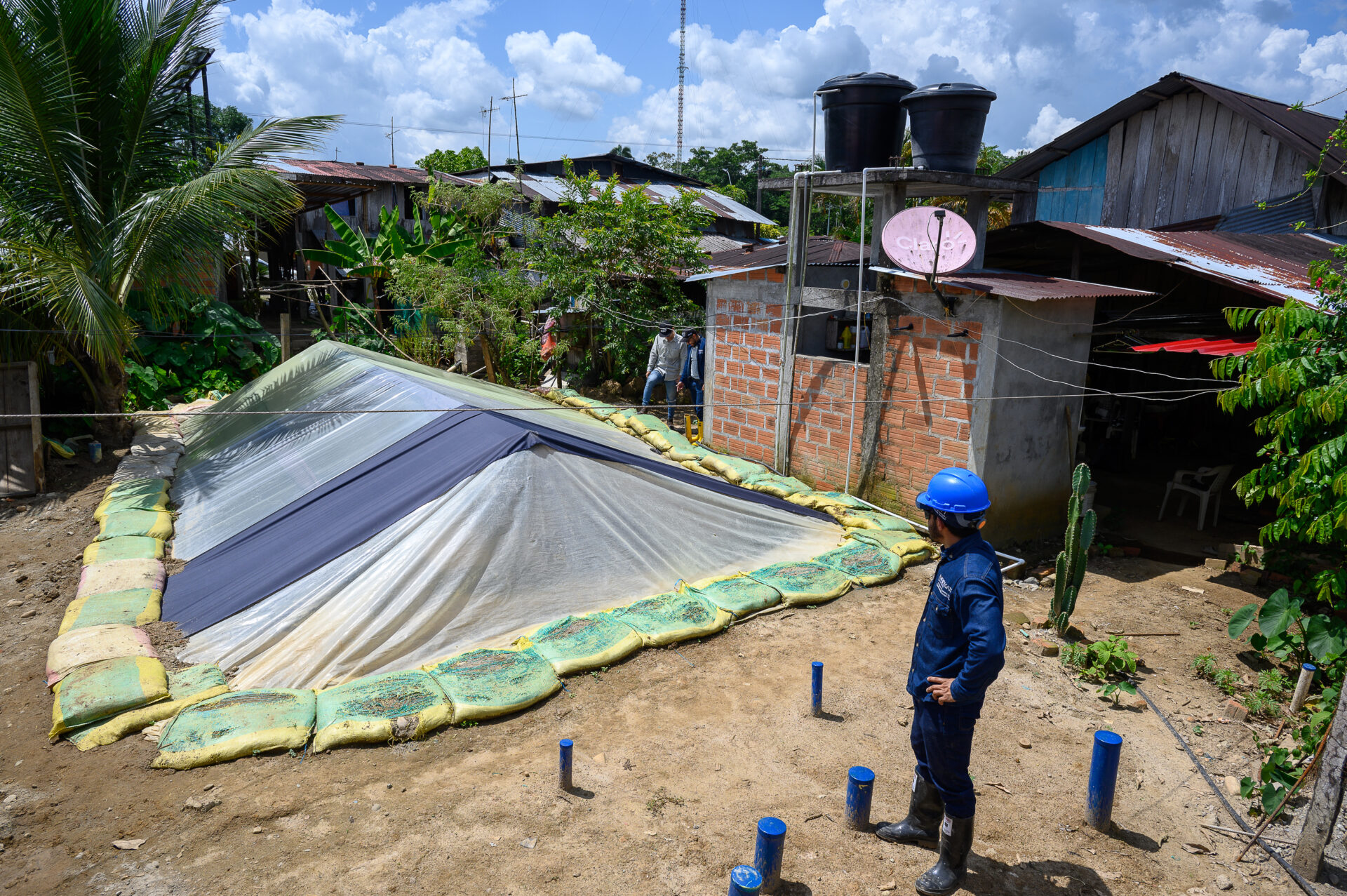
In remote villages of Putumayo, Colombia, where government support is limited, access to clean water remains a persistent challenge, exposing families to waterborne diseases and other health risks. To help close this gap, GTE has led the Water for Communities (Agua de Mi Tierra) initiative, which began in 2024.
Through the Agua de Mi Tierra program, Gran Tierra is installing community water systems designed to bring treated water directly to homes, reflecting a focus on improving access to essential services in its areas of operation. For the first time, safe drinking water will flow consistently to 10 rural communities in the Puerto Vega–Teteyé Corridor of southern Putumayo, providing reliable access for approximately 1,000 families.
Each system begins with an intake structure that gathers water from a nearby natural source. The water then passes through a treatment process that cleans and disinfects it, before being stored and distributed to households, ensuring dependable access for everyday use.
The project was initiated after community leaders requested support for aqueduct systems to address longstanding water quality challenges. The systems will improve overall community health by reducing water-related illnesses. Upon completion in 2026, approximately 5,000 people will have dependable access to safe water. Community members are contributing labour during construction, reinforcing local ownership, and helping prepare residents to manage and maintain the systems independently over time.
Restoring Water Access
Similarly, rural schools in Colombia often face challenges not immediately visible to outsiders. At the Institución Educativa El Cairo, located in San Martín, Cesar the challenge was basic: reliable access to water.
El Cairo serves as the main campus for a dispersed rural school community, where infrastructure is scarce and services have long been fragile. In 2025, when GTE staff visited the area, located adjacent to the Acordionero Forestry Centre, school leaders explained that with the existing gravity-fed system, water would arrive as a trickle, if at all, rendering washrooms unusable and making cleaning difficult.
In response, Gran Tierra installed a pump system to ensure a consistent water supply and distribution across the campus. This simple change created reliable water access in washrooms, cleaning stations, and other high-use areas, while the installation of dedicated stations provided safe drinking water. These combined efforts have restored hygiene and dignity for students and staff.
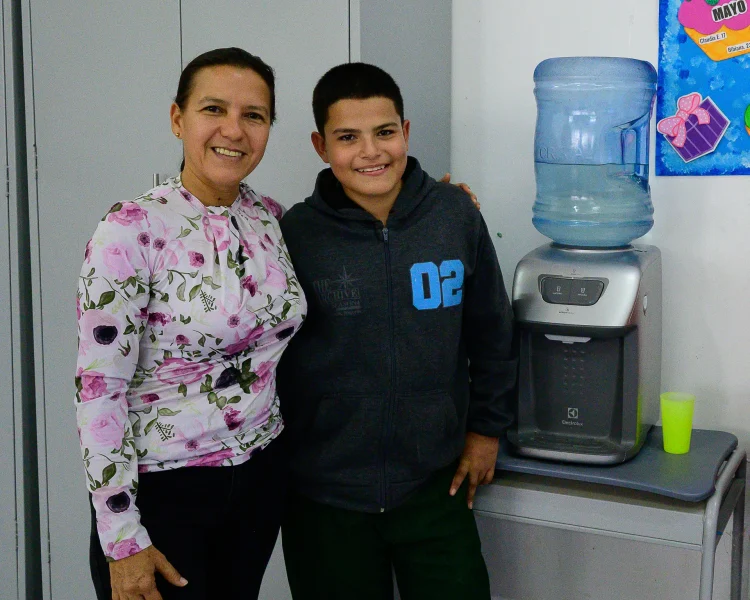
Image Gallery
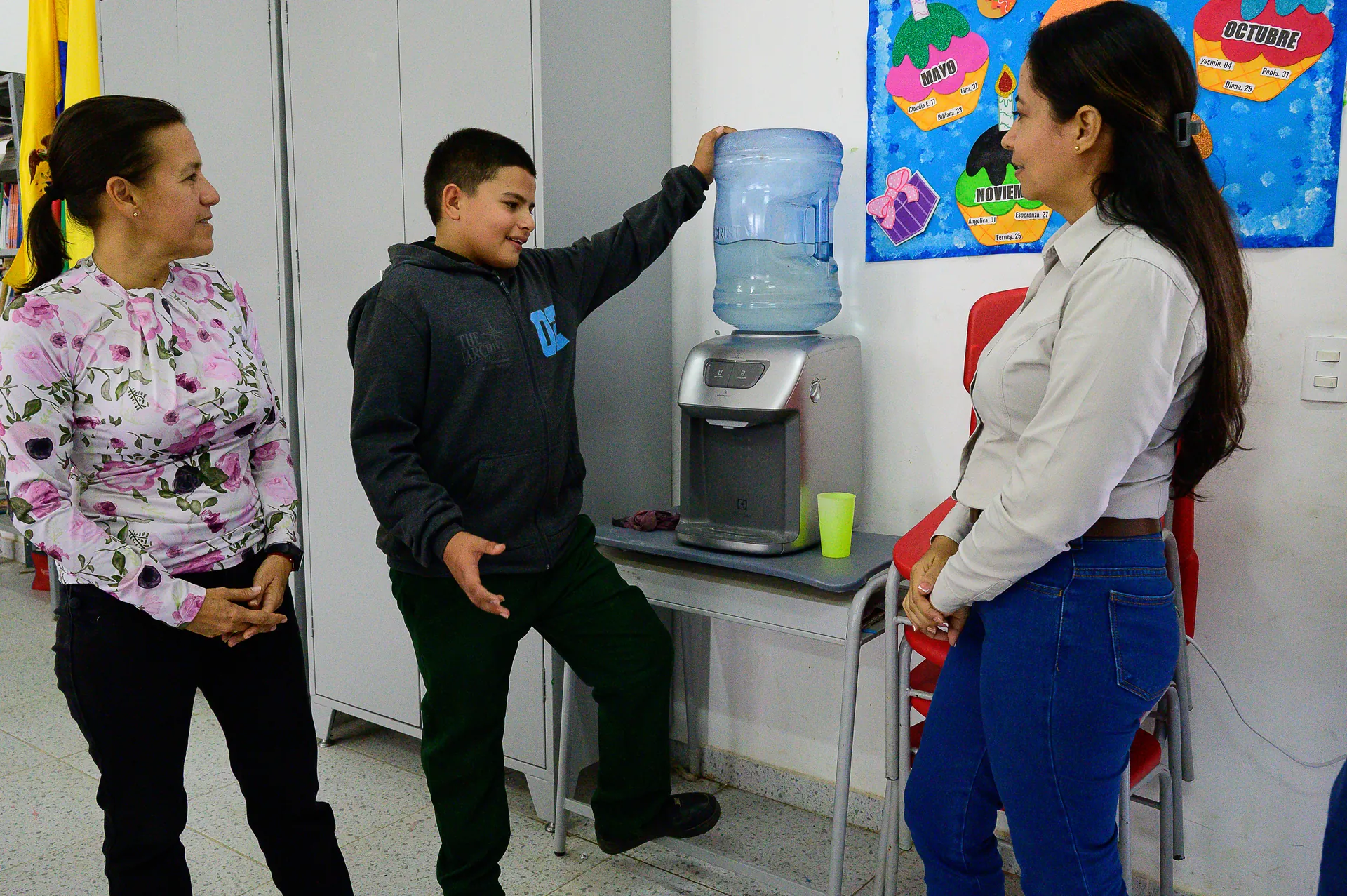
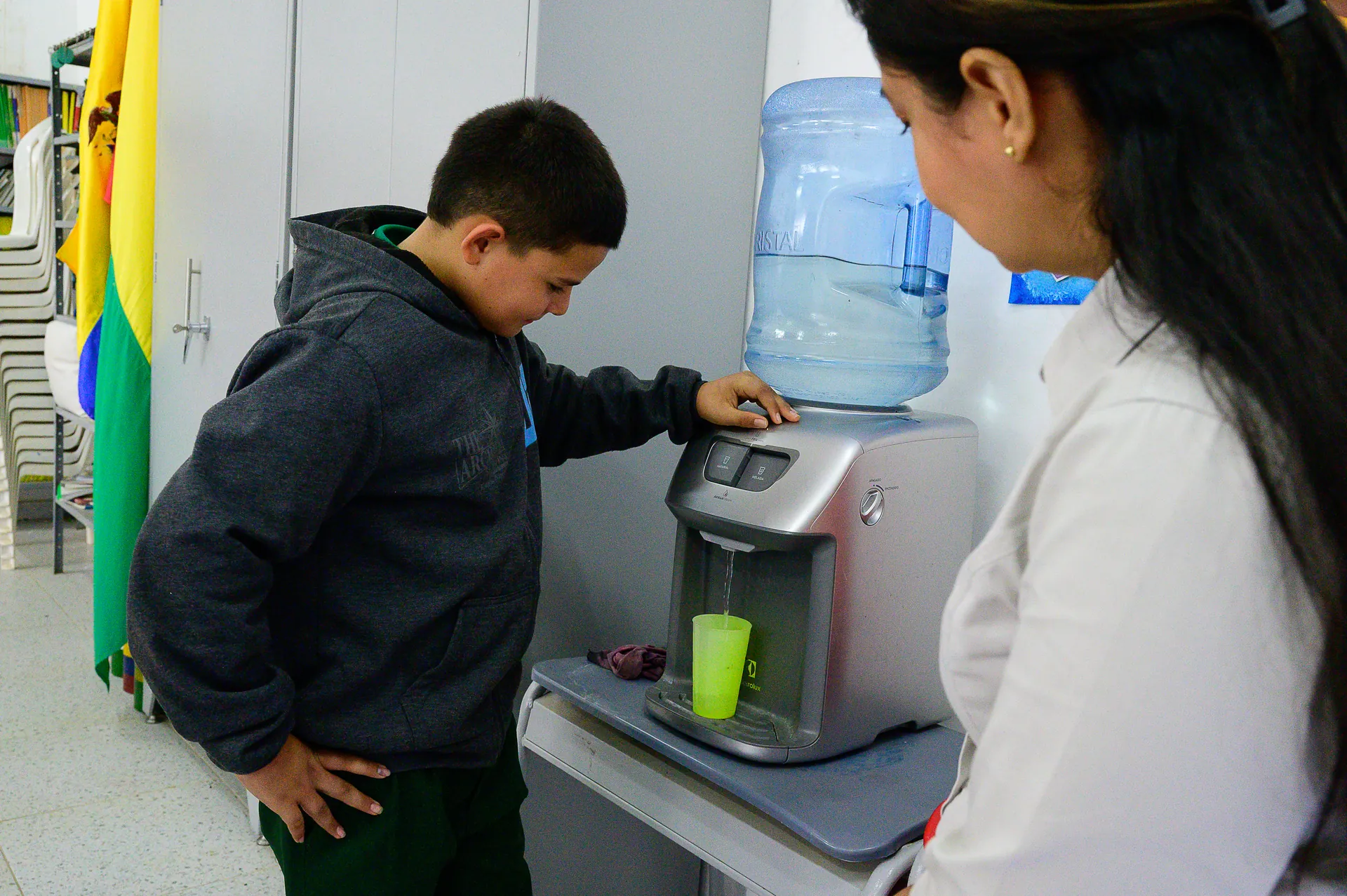
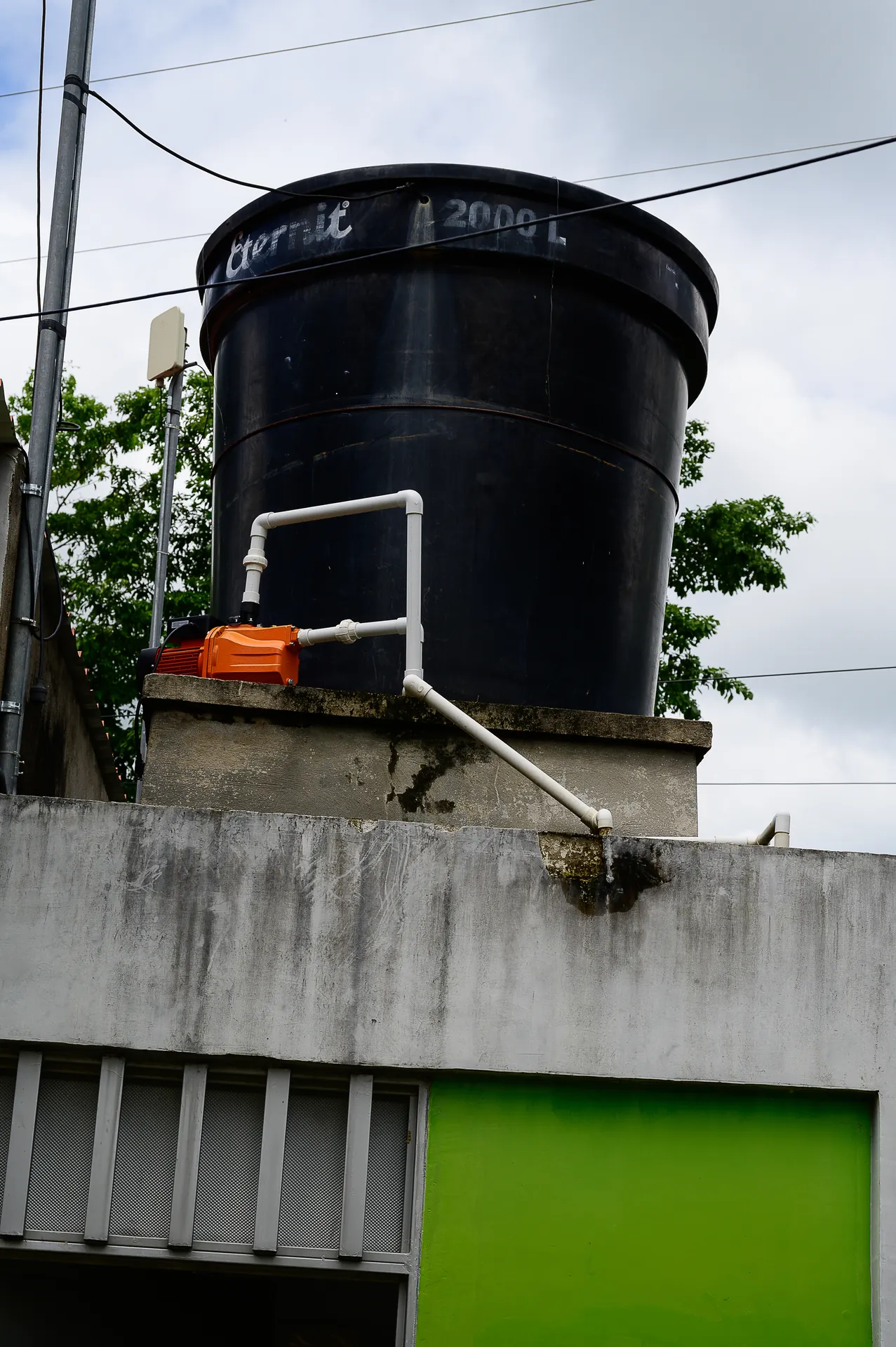
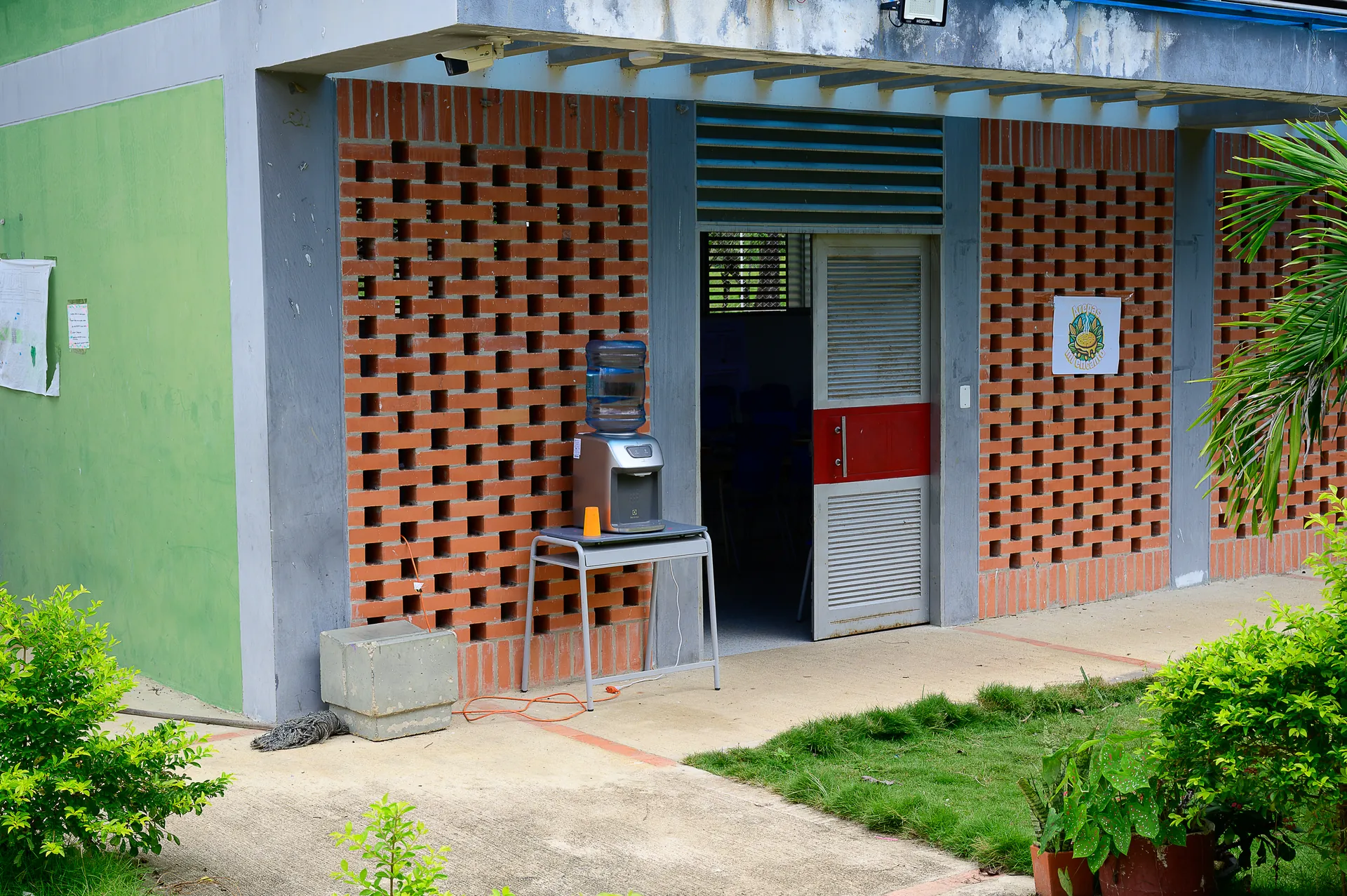
Image Gallery
Inviting Communities to Participate in Water Monitoring
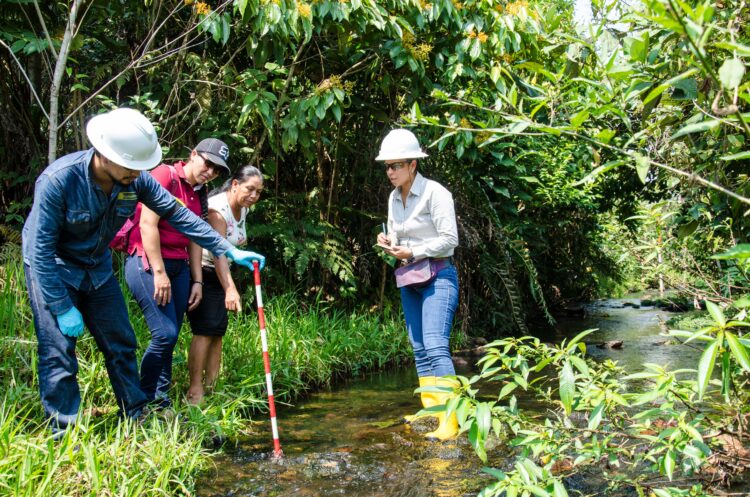
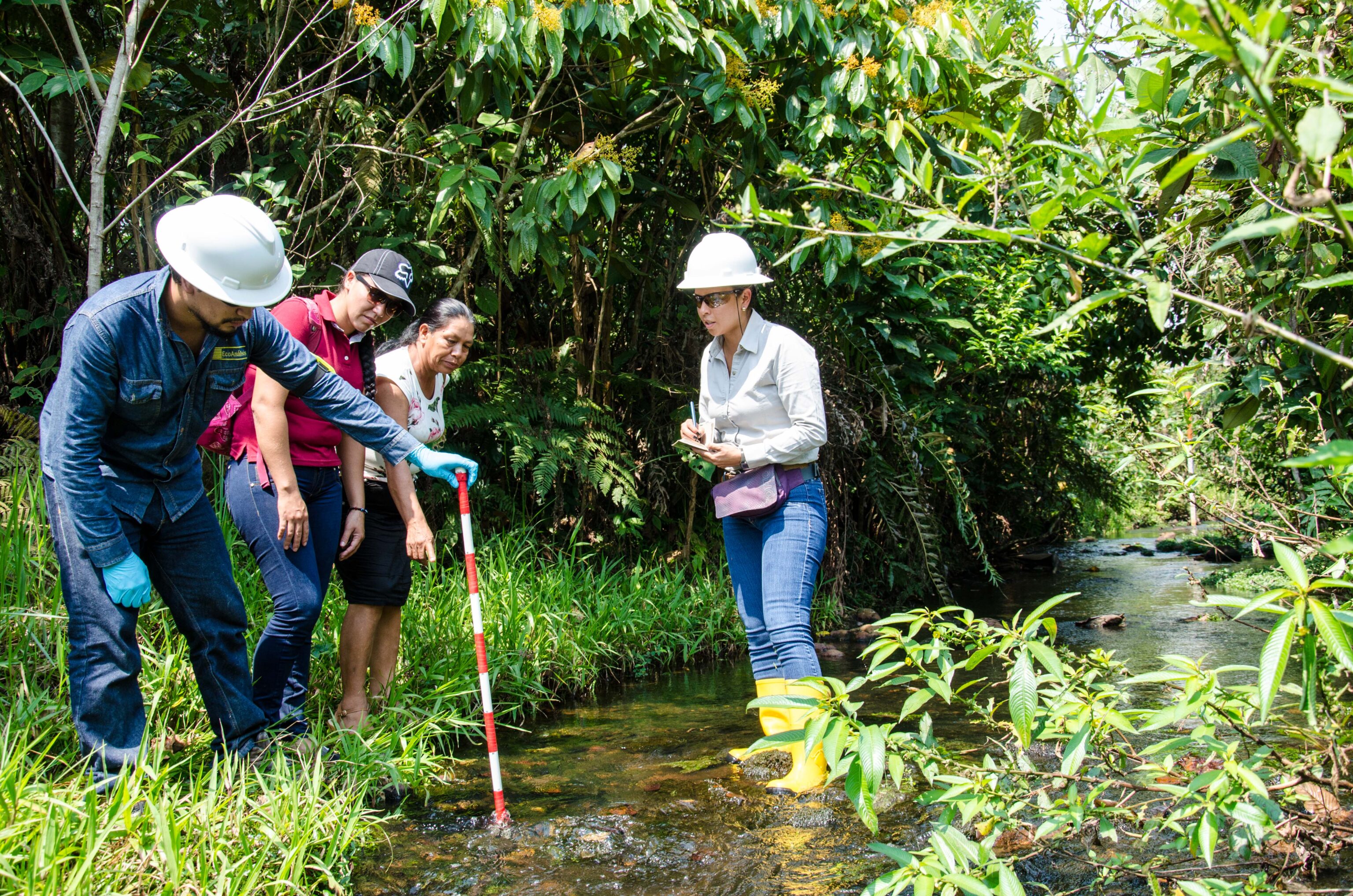
In accordance with Company policy and regulations, Gran Tierra regularly monitors and analyzes surface and groundwater using an external lab certified by government authorities; however, a myth that the Company often encounters in local communities is that lab results released by a corporation must be compromised.
To counter this, GTE will fund additional independent water studies for local communities in Colombia and Ecuador if they want to hire their own laboratory (as long as it is certified by Colombian and Ecuadorian regulators). GTE will take its own samples and compare them with the communities’ samples, sharing the results at a community meeting.
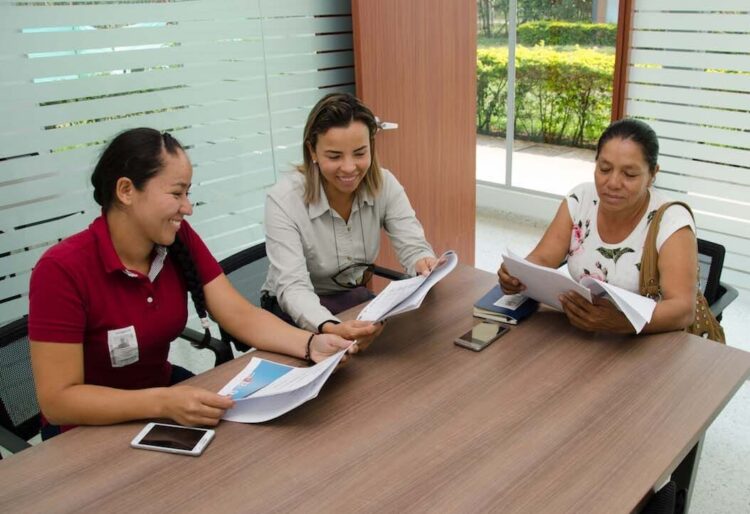
Image Gallery

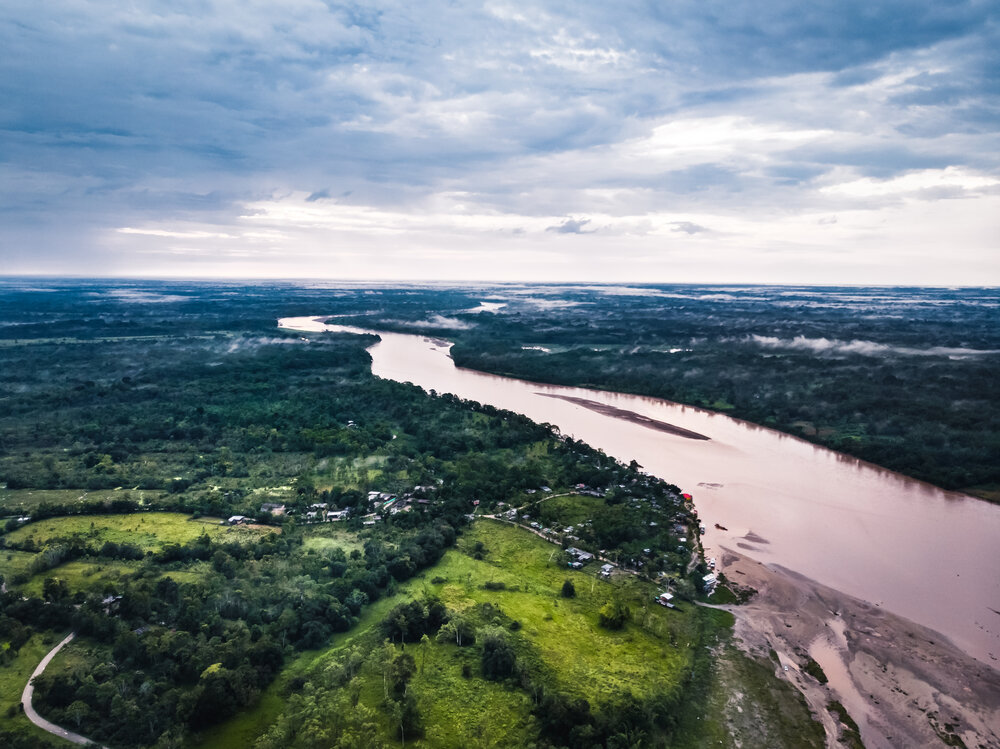
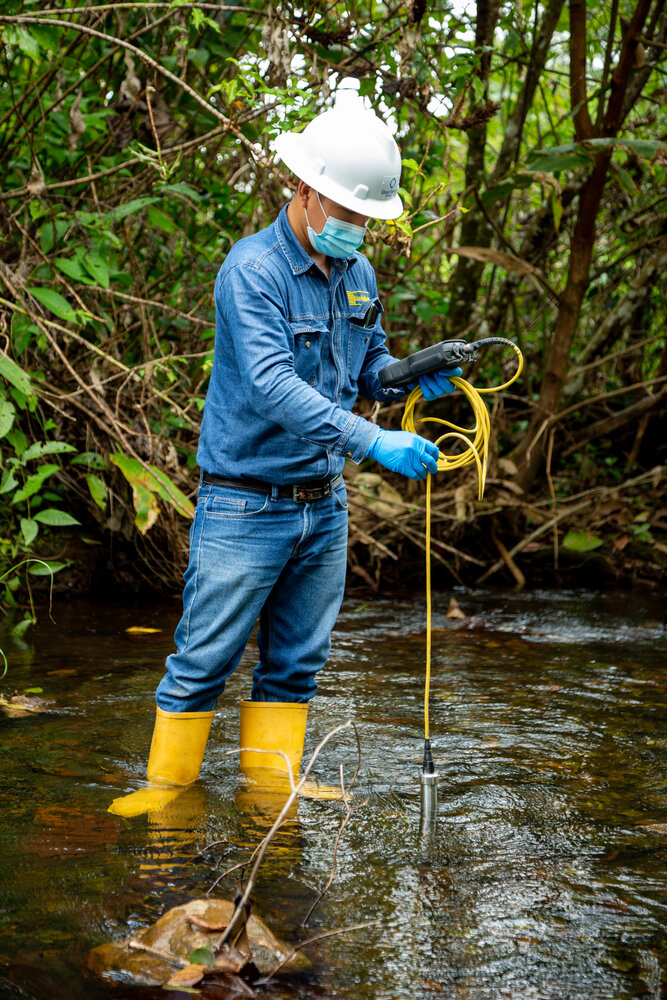
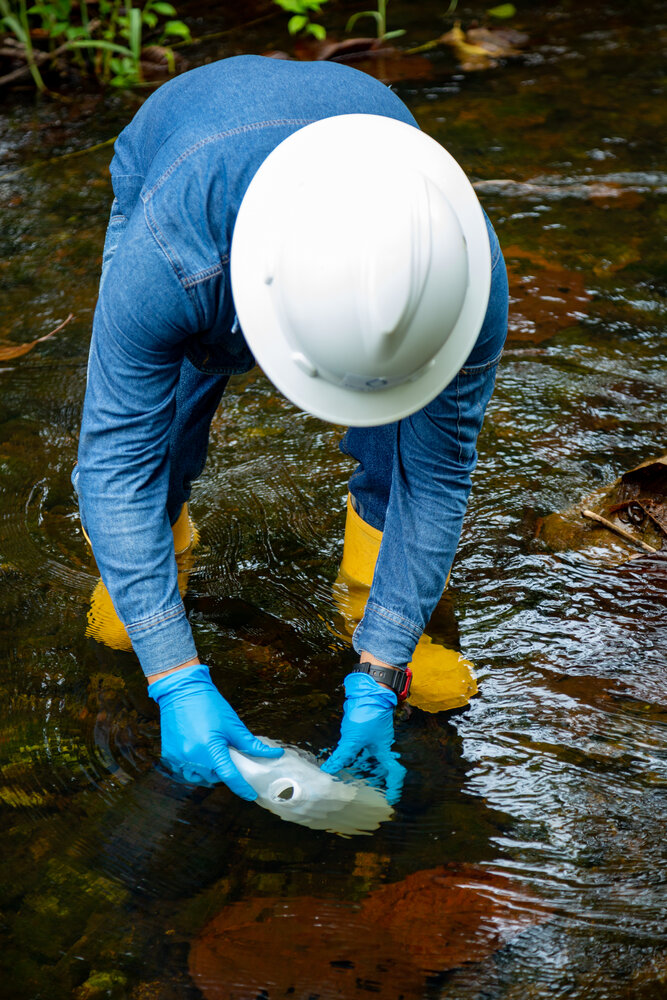
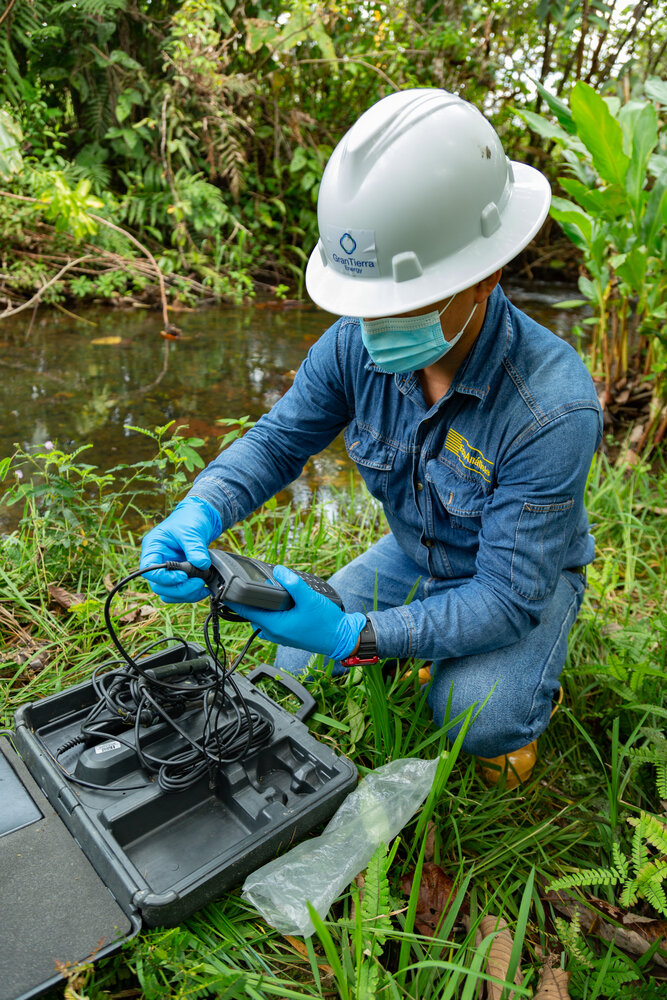
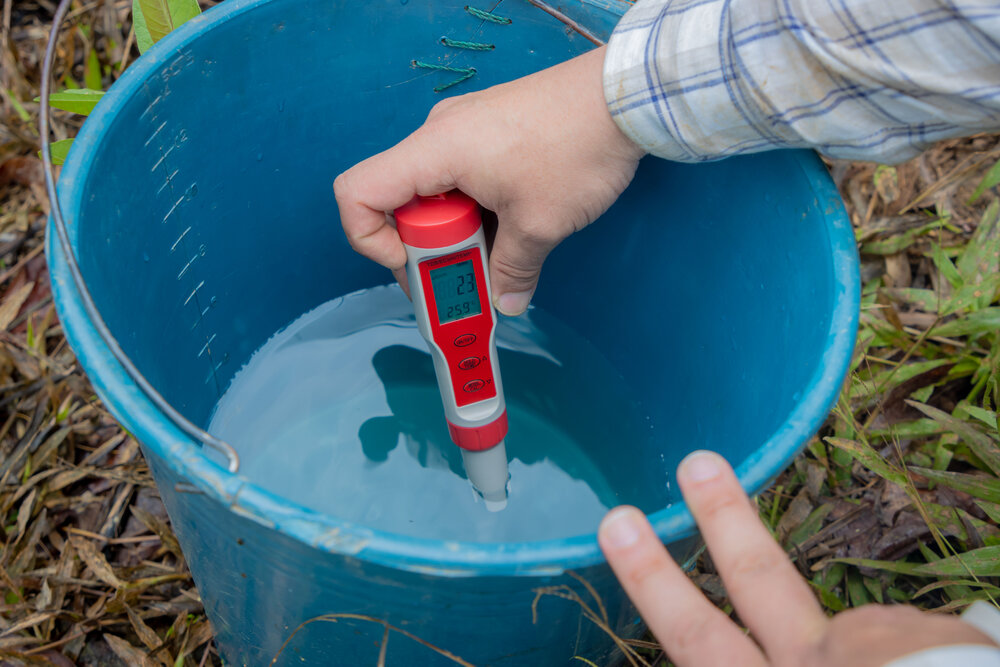
Image Gallery
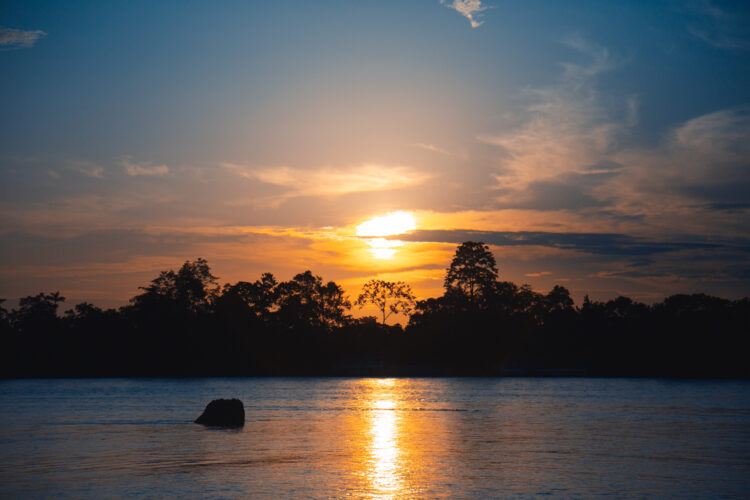
Stewardship of Natural Water Resources
Along with voluntary investments that conserve and protect the integrity of water sources near its operations, Gran Tierra continues to reduce freshwater consumption across the lifecycle of its operations. A comprehensive roadmap has been instituted to reduce the use of surface water where possible, with the goal of achieving zero surface water usage in the coming years.
The Company manages its water use following a risk-based approach to ensure it is not placing stress on local surface water resources. Fresh water is provided for domestic use at its camps and utilized for business operations, including well maintenance and drilling activities in some locations. The water that is produced alongside crude from the deep underground wells is recycled and reinjected into the reservoirs to maintain pressure in many of the Company’s fields. In 2025, 95% of water used for pressure maintenance in Colombia came from reinjected produced water or on-site dedicated sources of non-potable subterranean water.
Gran Tierra also records and reports water impacts and usage in alignment with international ESG reporting frameworks, including the International Petroleum Industry Environmental Conservation Association (IPIECA), the Sustainability Accounting Standards Board (SASB) and the Global Reporting Initiative (GRI). According to The World Resources Institute’s (WRI) Water Risk Atlas tool – Aqueduct, all of GTE’s water withdrawals are located in areas with low water stress and low to medium overall water risk.
Furthermore, in 2024, Gran Tierra began measuring its water footprint in line with ISO 14046 and Water Footprint Network standards in Colombia. Water risk screening is conducted using the World Wildlife Fund’s Water Risk Filter methodology–assessing physical, regulatory, and reputational risks across operating regions.
Over the last eight years, GTE has kept its average freshwater withdrawal intensity below 0.07 m3/boe and its average surface water withdrawal intensity below 0.06 m3/boe.
Utilizing Non-Potable Water Resources
Enhanced oil recovery methods, such as waterflooding, return the water produced alongside hydrocarbons into the same subsurface zone it originated from to maintain pressure and increase recovery from reservoirs. The Company leverages technologies to enable the use of highly saline, non-potable water from subsurface formations, thousands of feet deep for operations, instead of drawing from surface and freshwater sources.
Throughout 2024, the Company worked with Colombian authorities to help inform important regulatory updates permitting the use of non-potable subsurface water from non-oil-bearing zones for enhanced recovery. These reforms came into law in 2025. This shift reduces reliance on rivers and surface bodies of water and uses instead highly saline, non-potable water from deep subsurface formations. This approach to enhanced recovery not only reduces reliance on surface water but it also lowers greenhouse gas emissions by minimizing the need to transport water via tanker trucks. Fewer transport operations further benefit nearby communities by decreasing traffic congestion and reducing road dust.
Image Gallery
Image Gallery